




How Successful Air Conditioning Companies Are Preparing for 2026

March 2, 2026

What and why you can expect from the year ahead

Customer expectations have shifted. Competition has increased. Costs are tighter, margins are scrutinised more closely, and the pace of work feels faster than it did even a few years ago. The most successful air conditioning companies haven’t waited for these changes to force their hand. They’ve already started adapting.


What’s interesting is that preparation for 2026 isn’t about radical reinvention. It’s about tightening processes, removing friction, and building businesses that can cope with higher demand without burning out the people running them.

They’re paying closer attention to how time is actually spent

One of the biggest differences between growing HVAC companies and those that feel permanently stretched is awareness.


Successful businesses are looking closely at where time goes during a typical week — not just on the tools, but behind the scenes. Quoting, scheduling, follow-ups, revisions, customer questions and admin all add up quickly, even if each task feels small in isolation.


By understanding which tasks quietly consume hours, these companies can make better decisions about what needs to change before growth becomes unmanageable.

They’re building consistency into everyday work

Consistency doesn’t sound exciting, but it’s one of the strongest foundations for growth.


Companies preparing for 2026 are standardising how they price work, how they present quotes, how surveys are handled, and how information flows from enquiry to installation. This doesn’t mean rigid processes or one-size-fits-all jobs — it means reducing variation where variation adds no value.


When processes are consistent, businesses become easier to manage, easier to scale, and far less dependent on one person holding everything together.


They’re investing in professionalism, not just equipment

Customers are becoming more discerning, even as air conditioning becomes more common.


The companies doing well in 2026 are paying attention to how they present themselves — from the clarity of their quotes to the consistency of their branding and communication. These details shape trust long before an installer arrives on site.


Professional presentation isn’t about appearing corporate. It’s about making customers feel confident that the business they’re dealing with is organised, reliable, and capable of delivering what it promises.

They’re reducing reliance on memory and manual processes

As businesses grow, relying on memory becomes a risk.


Successful HVAC companies are recognising that processes need to live outside people’s heads. Pricing structures, labour assumptions, and installation details need to be accessible, repeatable, and easy to review.


This shift reduces errors, speeds up decision-making, and makes it far easier to train new staff or delegate work without losing control of quality or margins.

Instant Quoting Software for HVAC Businesses

Save time, send quotes faster, and grow your HVAC business with confidence

Share this article

They’re thinking about resilience, not just growth

Growth is only useful if it’s sustainable.


Many HVAC businesses have experienced periods of rapid expansion that brought stress rather than success. Companies preparing properly for 2026 are thinking about resilience — how their business performs under pressure, during busy seasons, or when key people are unavailable.


That mindset leads to stronger systems, clearer processes, and businesses that can handle opportunity without chaos.

Final thoughts

Preparing for 2026 isn’t about predicting the future perfectly. It’s about recognising the direction the industry is moving and adjusting early enough to stay in control.


The most successful HVAC companies aren’t working harder than everyone else. They’re working more deliberately — building structures that support growth rather than reacting to it.


In a market that’s only becoming faster and more competitive, preparation isn’t optional.


It’s what separates businesses that scale confidently from those that simply stay busy.

Recent Posts

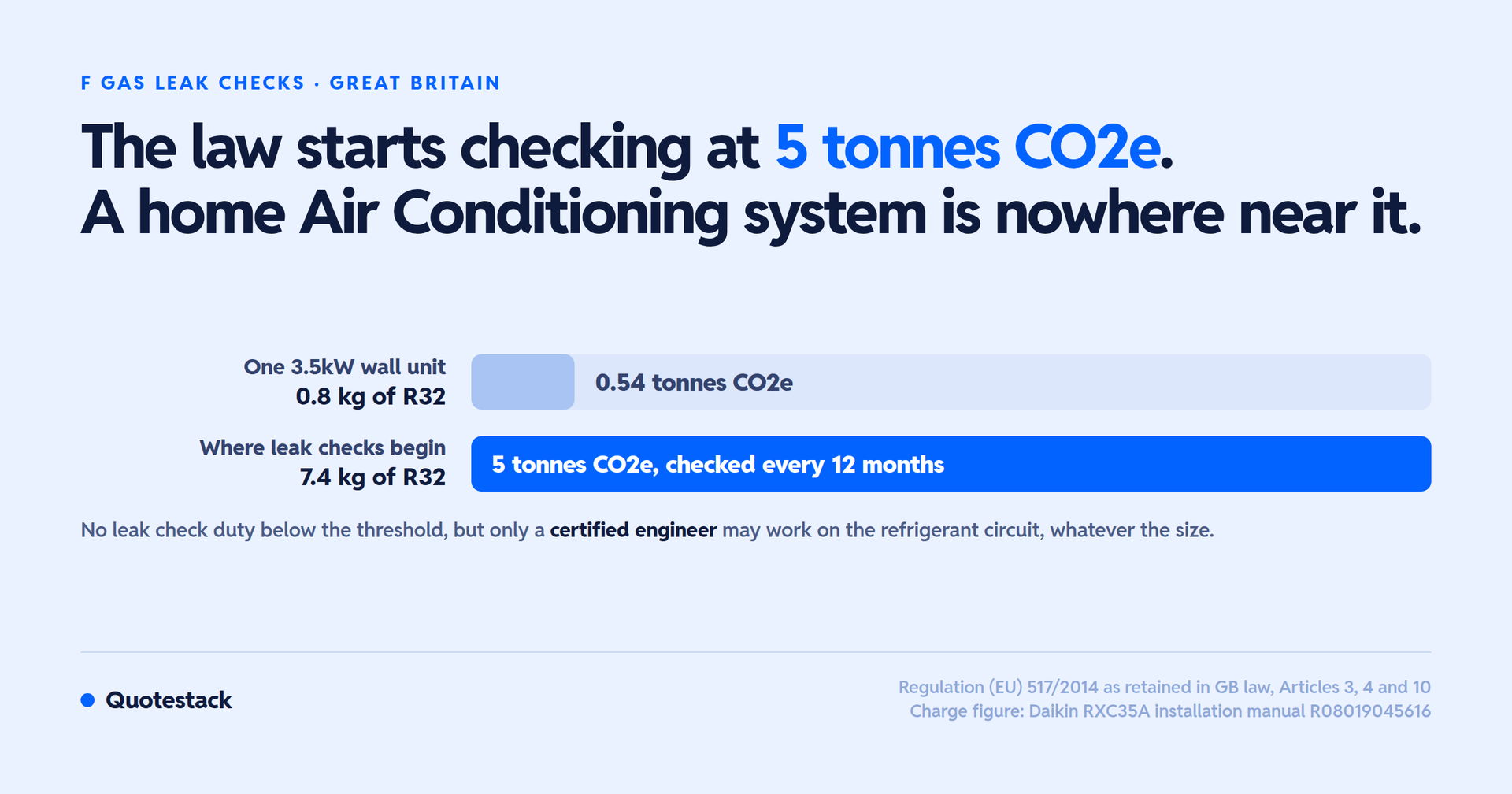
Two bars compared: one 3.5kW wall unit holds 0.54 tonnes CO2 equivalent of refrigerant, while leak c
By Francois Du Plessis • September 28, 2026
Most home Air Conditioning in Great Britain has no legal service requirement. The F Gas leak check duty starts at 5 tonnes CO2e, well above a home system.
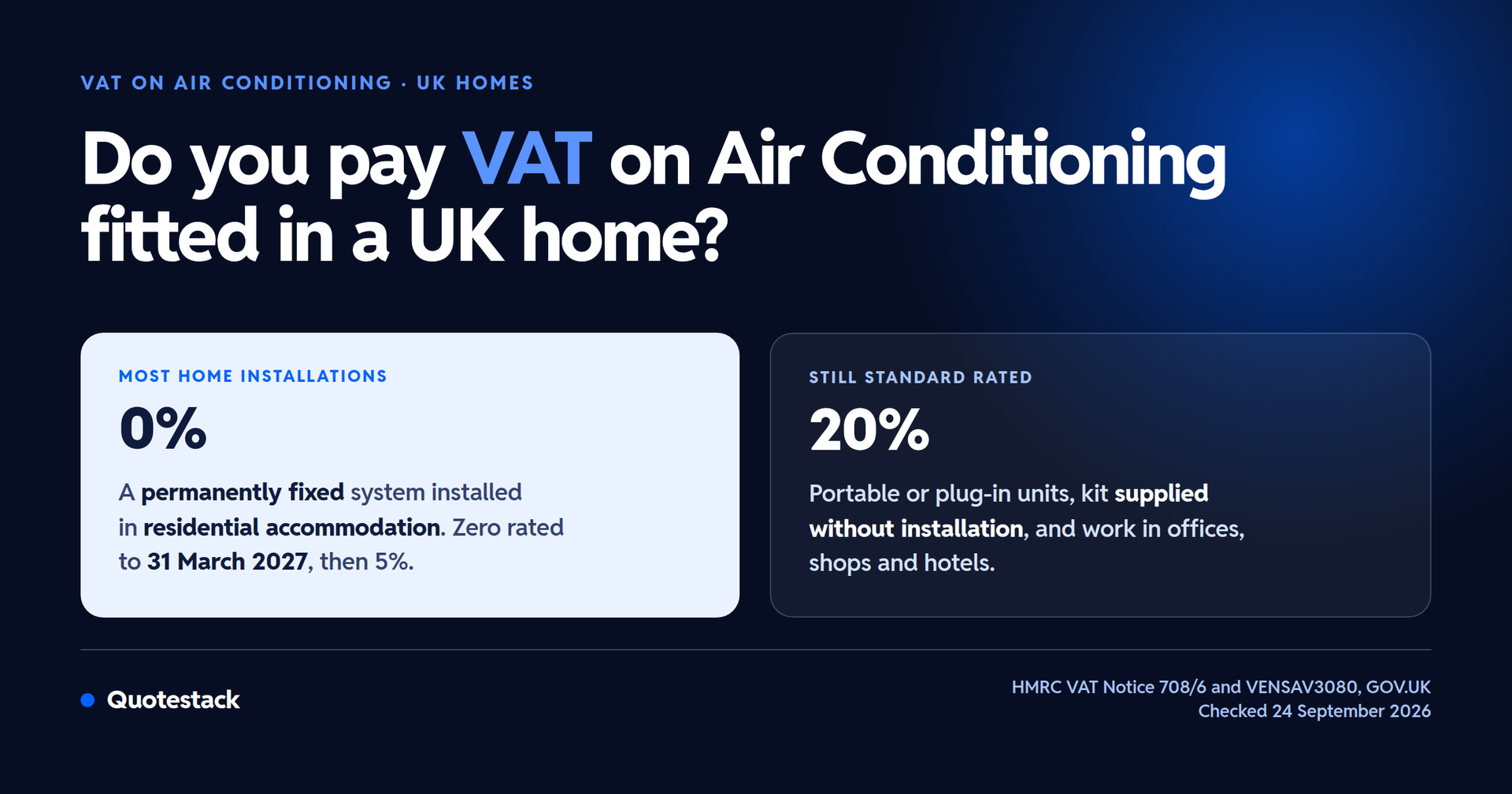
Two VAT outcomes compared for Air Conditioning in a UK home: a permanently fixed system in residenti
By Francois Du Plessis • September 25, 2026
Fixed Air Conditioning installed in a UK home is zero rated for VAT until 31 March 2027. Here is what qualifies, what still carries 20%, and what changes.
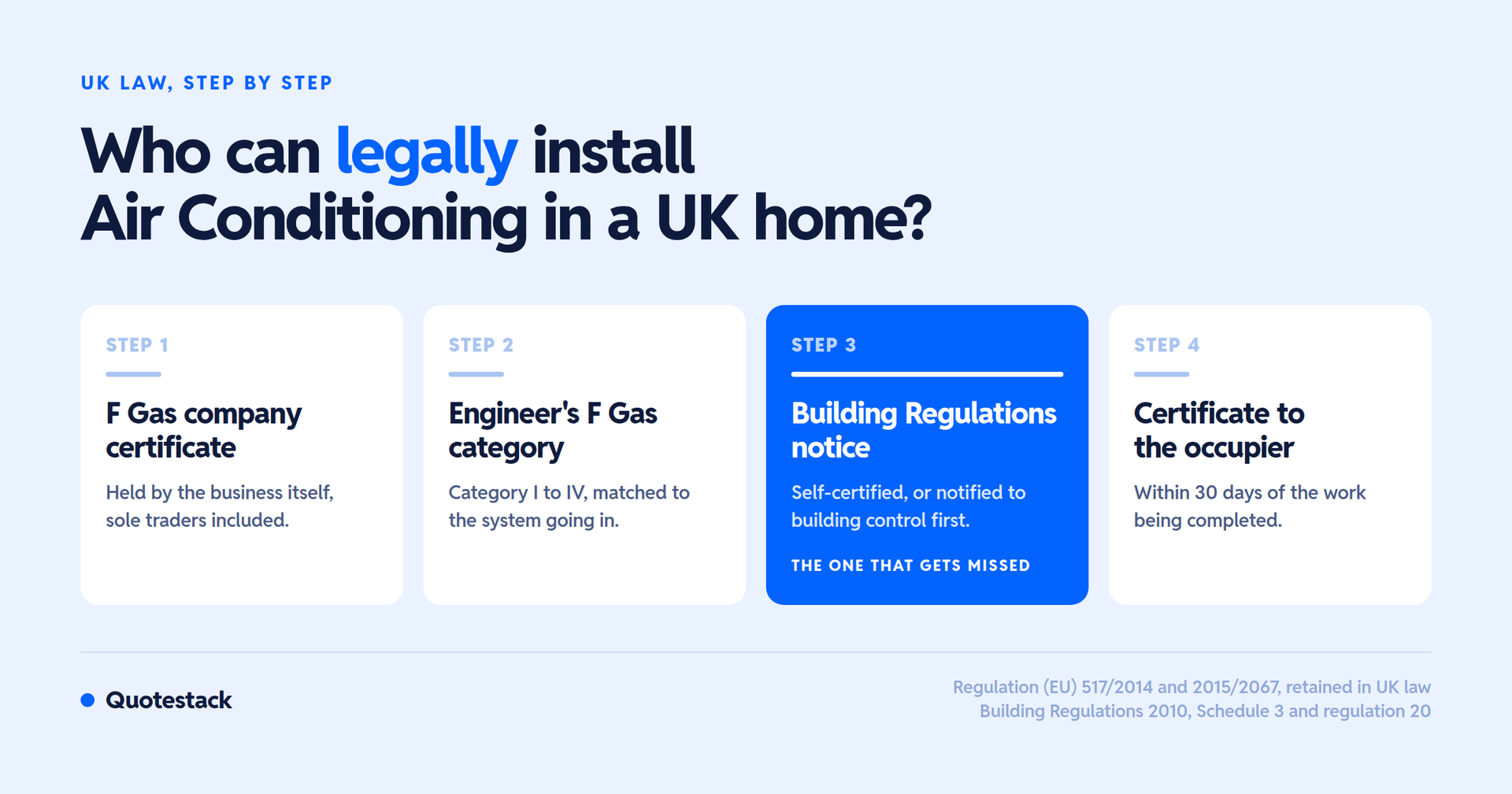
The four legal steps to install Air Conditioning in a UK home, from F Gas certificate to handover.
By Francois Du Plessis • September 21, 2026
The company needs an F Gas certificate, the engineer needs a category certificate, and in England and Wales the install is notified to building control.
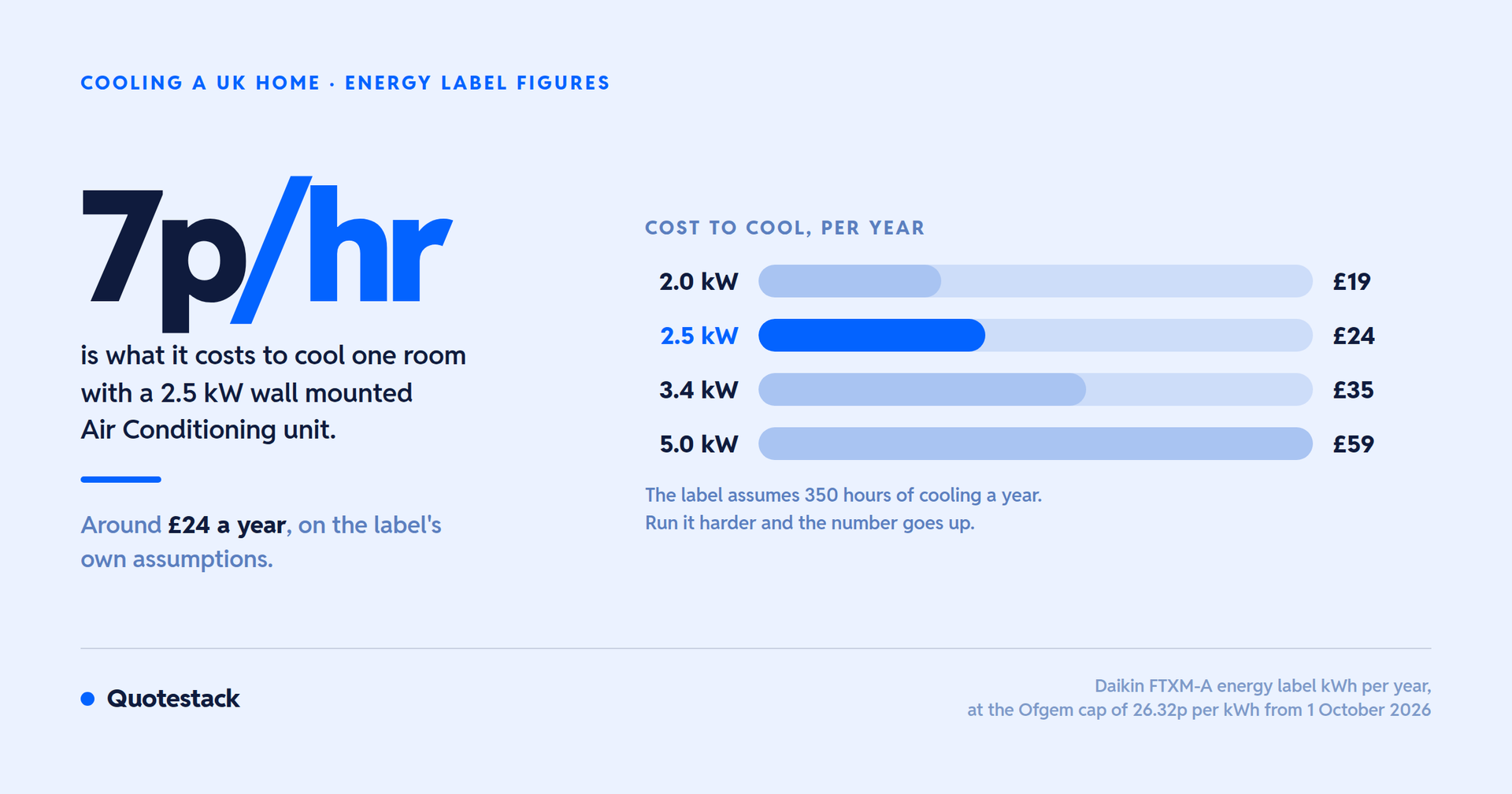
Cooling costs by Air Conditioning unit size: £19 a year for 2.0 kW up to £59 a year for 5.0 kW.
By Francois Du Plessis • September 21, 2026
A 2.5 kW wall unit costs around 7p an hour to cool, about £24 a year on its energy label. Here is where that figure comes from, and when yours is higher.
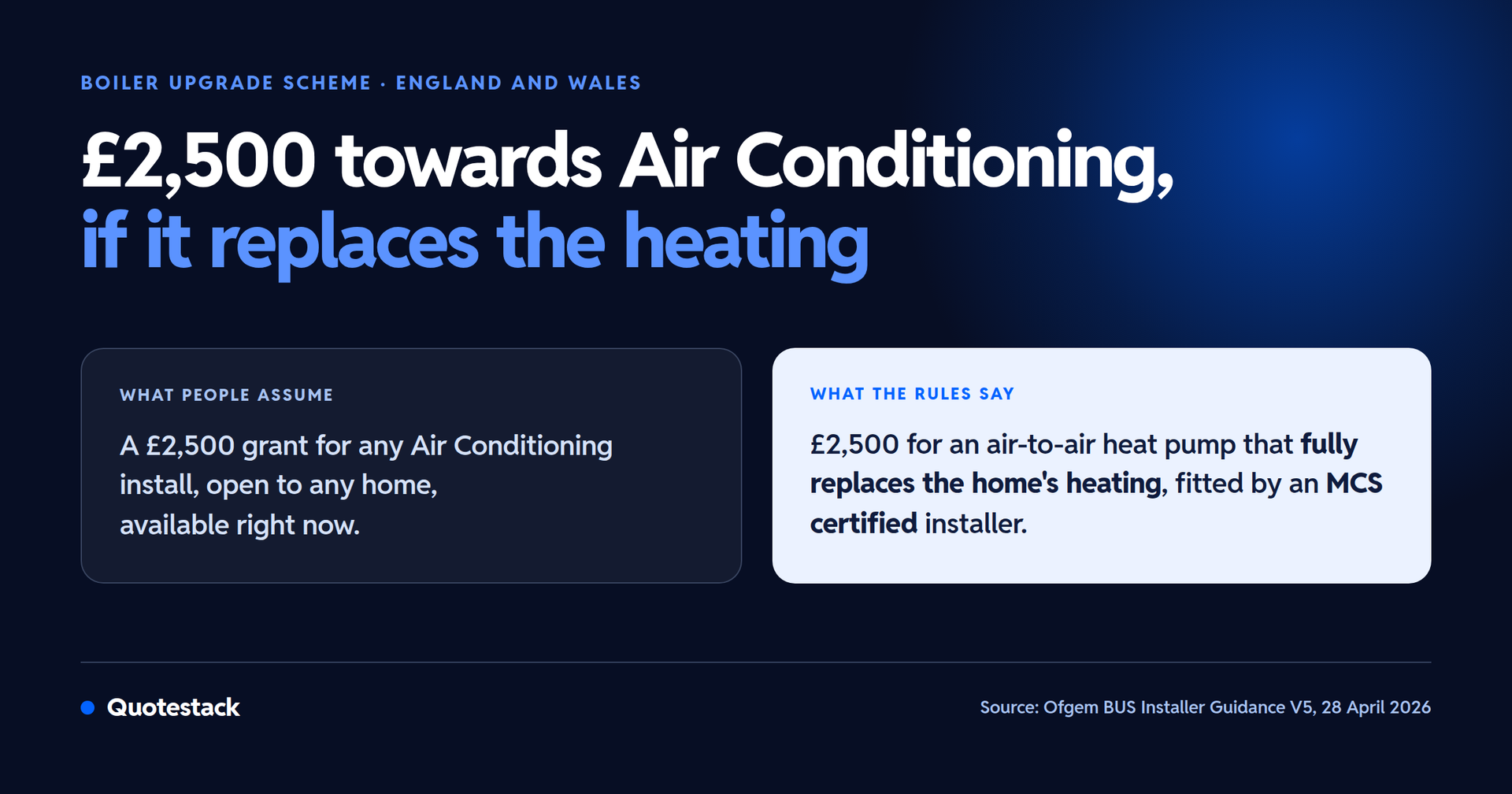
The £2,500 grant needs an air-to-air heat pump that replaces the heating, fitted MCS certified.
By Francois Du Plessis • September 14, 2026
Yes. The Boiler Upgrade Scheme pays £2,500 towards an air-to-air heat pump in England and Wales, but only if it fully replaces the home's existing heating.
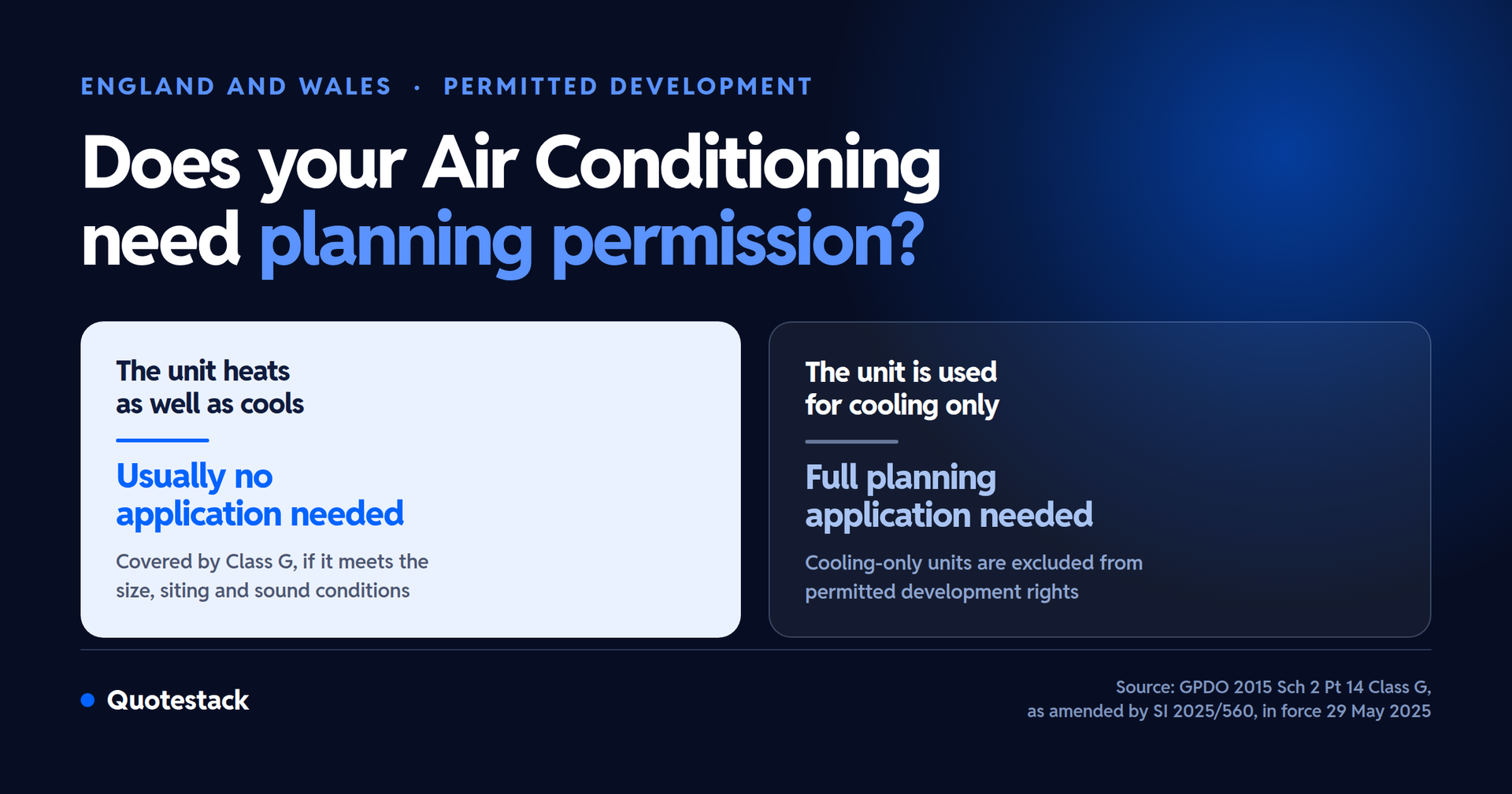
Air Conditioning that also heats usually needs no planning permission, cooling-only units do.
By Francois Du Plessis • September 11, 2026
In England and Wales, Air Conditioning that also heats can usually go in under permitted development. Cooling-only units still need a planning application.

May 29, 2026
Consistency and structure are what separate activity from long-term growth

May 25, 2026
Improving results doesn’t always require more demand

May 22, 2026
A growing sector is creating new opportunities across the workforce

May 15, 2026
Demand is building steadily, not just seasonally