



What Really Damages Air Conditioning Business Margins (And Why It’s Rarely Just One Thing)

February 24, 2026

How profit margins are affected

Most air conditioning businesses don’t struggle because of a single big mistake.


Margins usually erode slowly, through a combination of small issues that build up over time. Individually, they’re easy to dismiss. Together, they quietly reshape how profitable — or unprofitable — a business becomes.


For UK air conditioning installers working in domestic and small commercial environments, understanding where margins are lost is often more valuable than chasing more work.


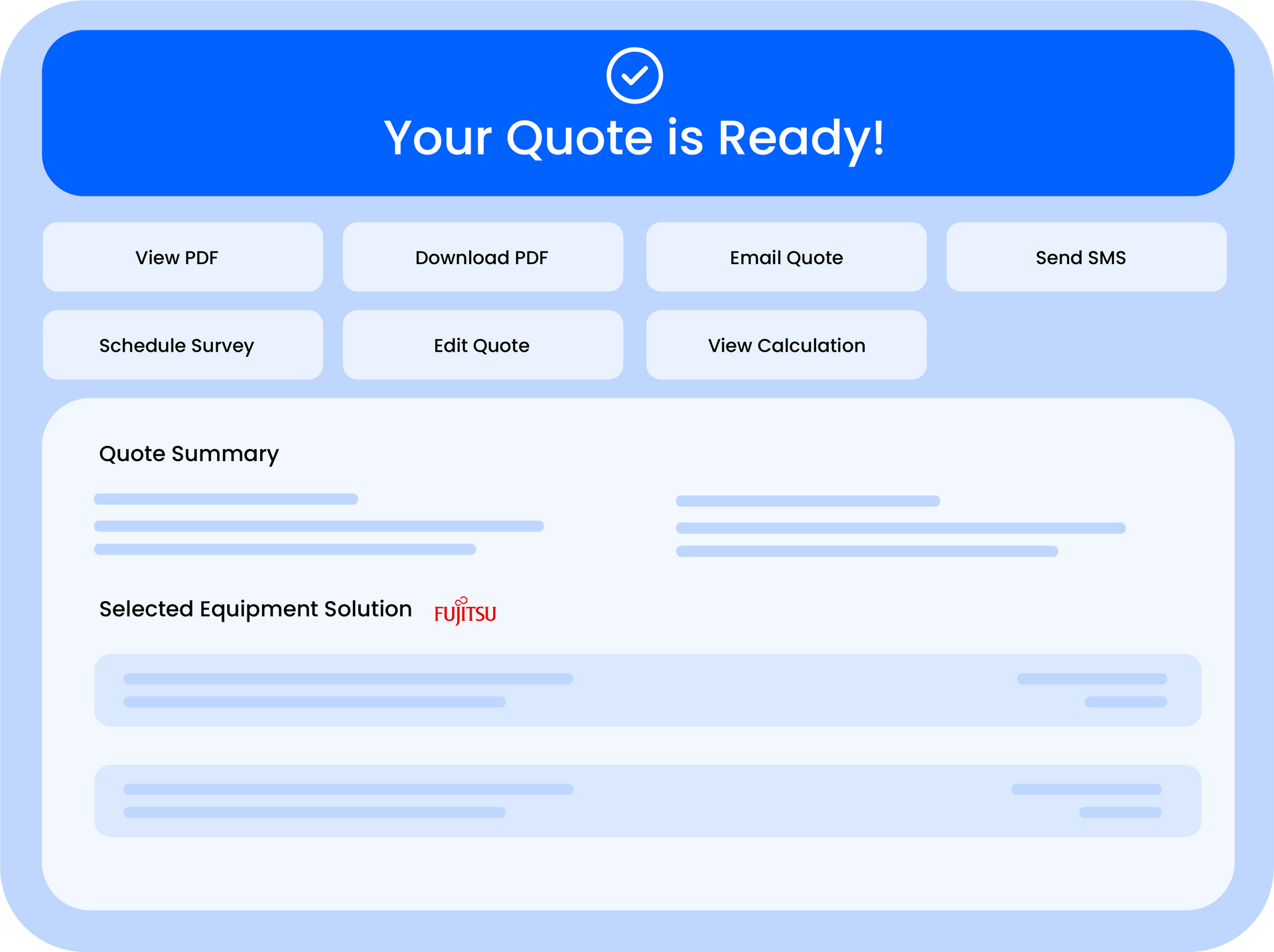
Slow quoting costs more than time

Quoting speed also plays a role in profitability, although its impact is often indirect.


Slow quotes don’t just risk losing work — they absorb valuable time. Hours spent preparing and revising quotes are hours not spent installing, managing projects, or improving the business. When quoting stretches into evenings and weekends, fatigue sets in and mistakes become more likely.

Those mistakes — missed items, underestimated labour, overlooked access challenges — often show up later as reduced margins on site.

Inconsistent pricing creates unpredictable results

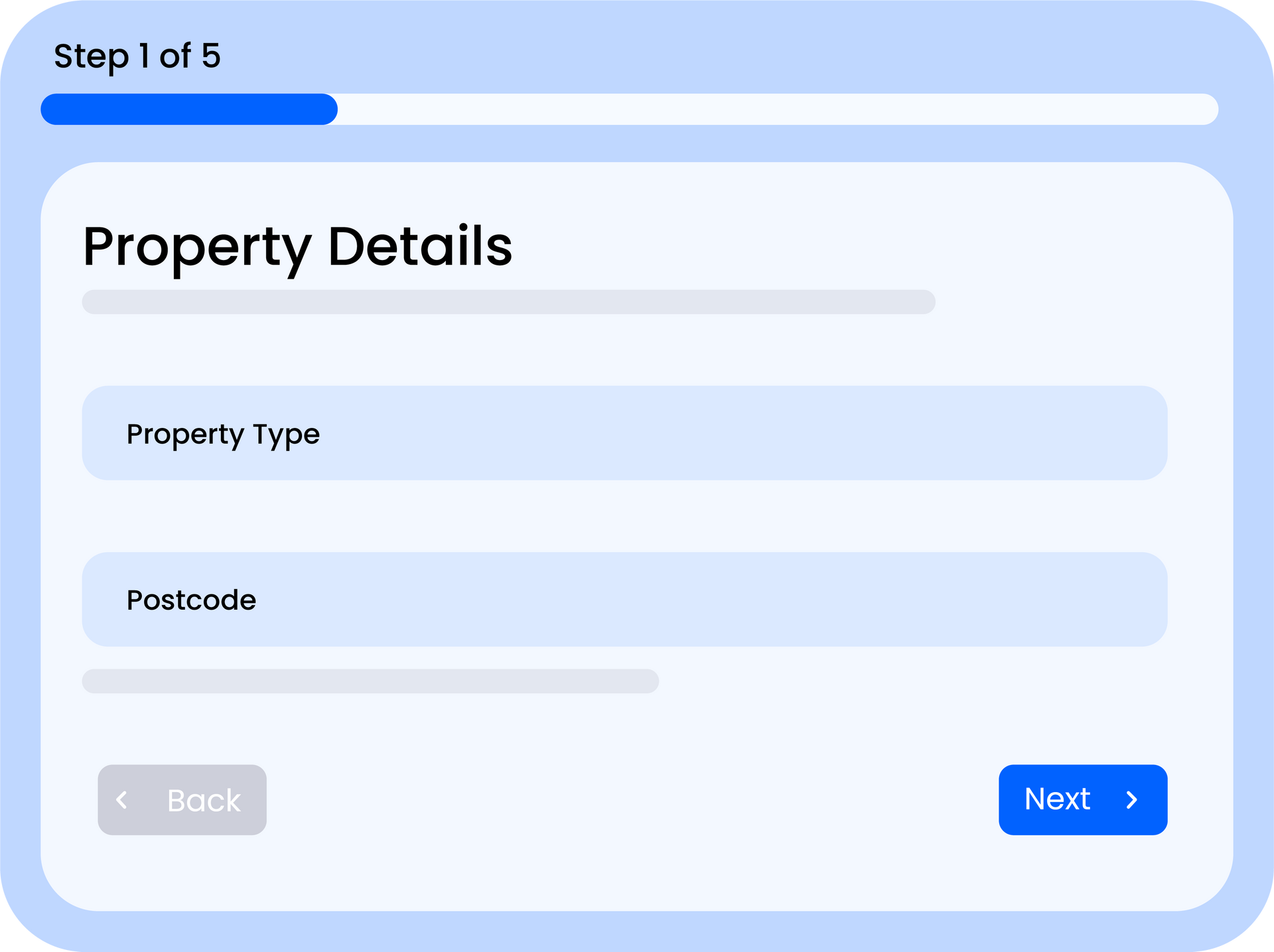
Inconsistent quoting is one of the most common contributors to margin erosion, particularly in smaller businesses.


Prices shift depending on workload, urgency, or who prepares the quote. Labour allowances vary from job to job. Extras are included on some quotes and missed on others. Over time, this creates a pricing structure that’s difficult to track and even harder to improve.


Some jobs perform well. Others quietly lose money. Without consistency, it becomes difficult to understand why.

Slow quoting costs more than time

Quoting speed also plays a role in profitability, although its impact is often indirect.


Slow quotes don’t just risk losing work — they absorb valuable time. Hours spent preparing and revising quotes are hours not spent installing, managing projects, or improving the business. When quoting stretches into evenings and weekends, fatigue sets in and mistakes become more likely.


Those mistakes — missed items, underestimated labour, overlooked access challenges — often show up later as reduced margins on site.

Poor job scoping leads to expensive surprises

Margins are frequently damaged before work even begins.


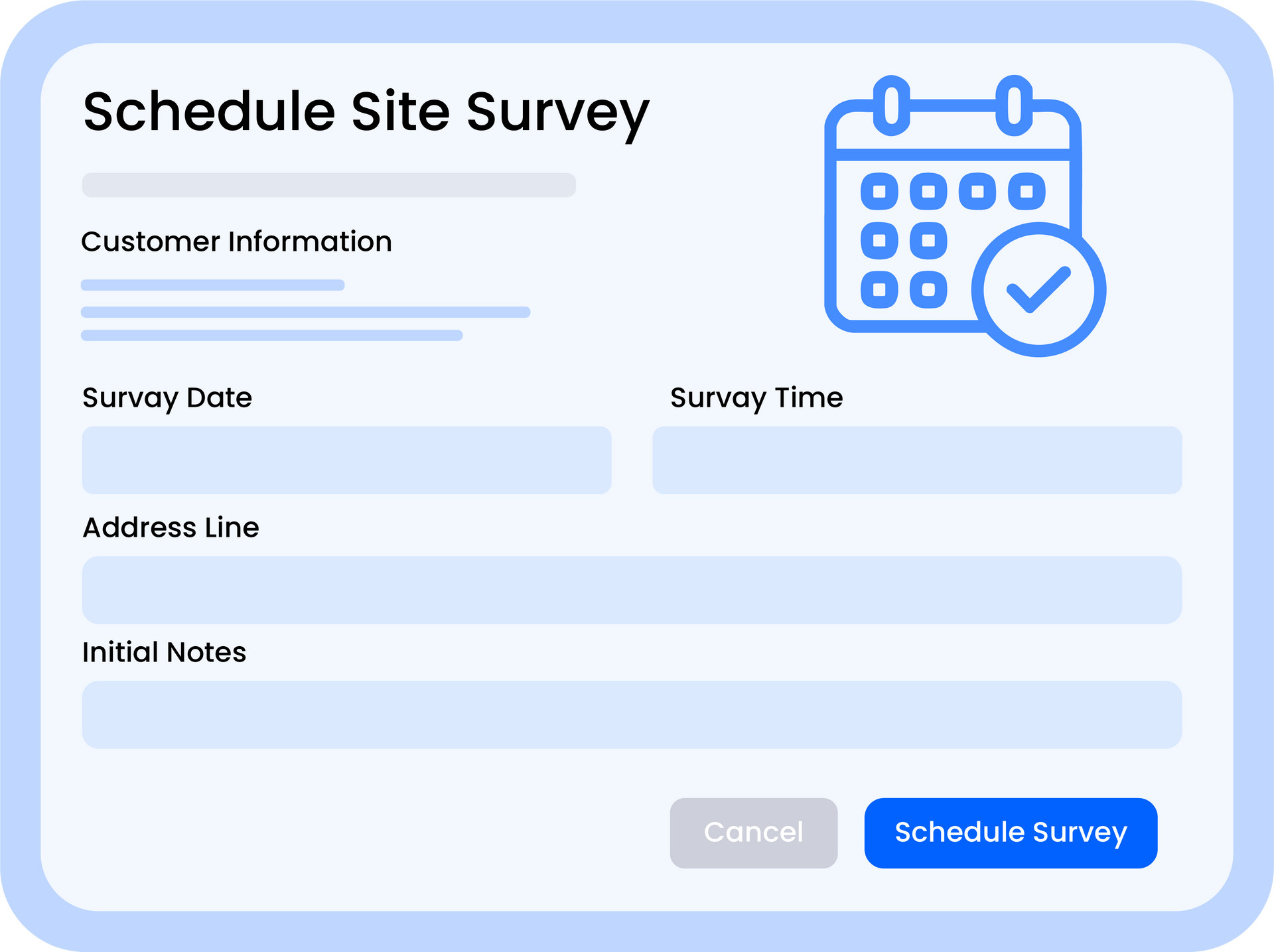
Incomplete surveys, rushed assessments, or assumptions about site conditions can all lead to unexpected costs during installation. Additional labour, extra materials, or unplanned adjustments eat into margins that were already tight.


In domestic and small commercial HVAC work, where properties vary widely, accurate scoping is essential. When it’s overlooked, installers often end up absorbing costs simply to keep customers happy.


Instant Quoting Software for Air Conditioning Businesses

Save time, send quotes faster, and grow your air conditioning business with confidence

Share this article

Admin inefficiencies add up faster than expected

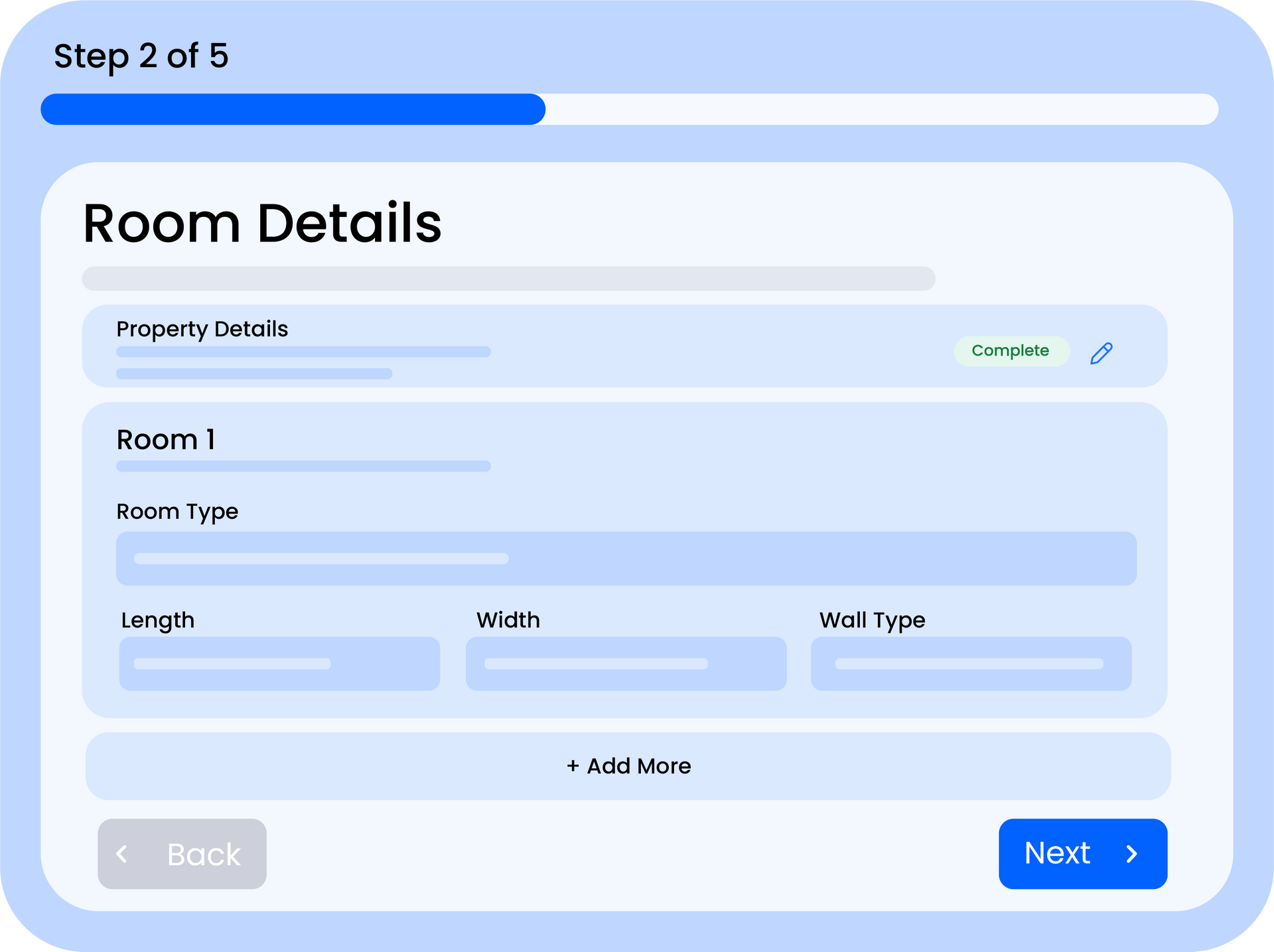
Admin doesn’t always feel expensive, but its cumulative impact can be significant.


Duplicated work, manual processes, and fragmented systems increase the time spent on non-billable tasks. Over time, this reduces capacity and puts pressure on margins, even when install work is steady.

For many HVAC businesses, admin inefficiency isn’t obvious until growth stalls.

Final thoughts

Margin pressure in HVAC businesses is rarely caused by a single factor. It’s usually the result of several small issues working together — inconsistent pricing, slow processes, poor scoping, call-backs, and inefficient admin.


Addressing margins doesn’t always mean charging more or winning more work. Often, it starts with understanding where profit is being lost and why.


For installers who take the time to examine these patterns, there’s often more margin to be found than expected — without changing the quality of work or the customers they serve.

Recent Posts

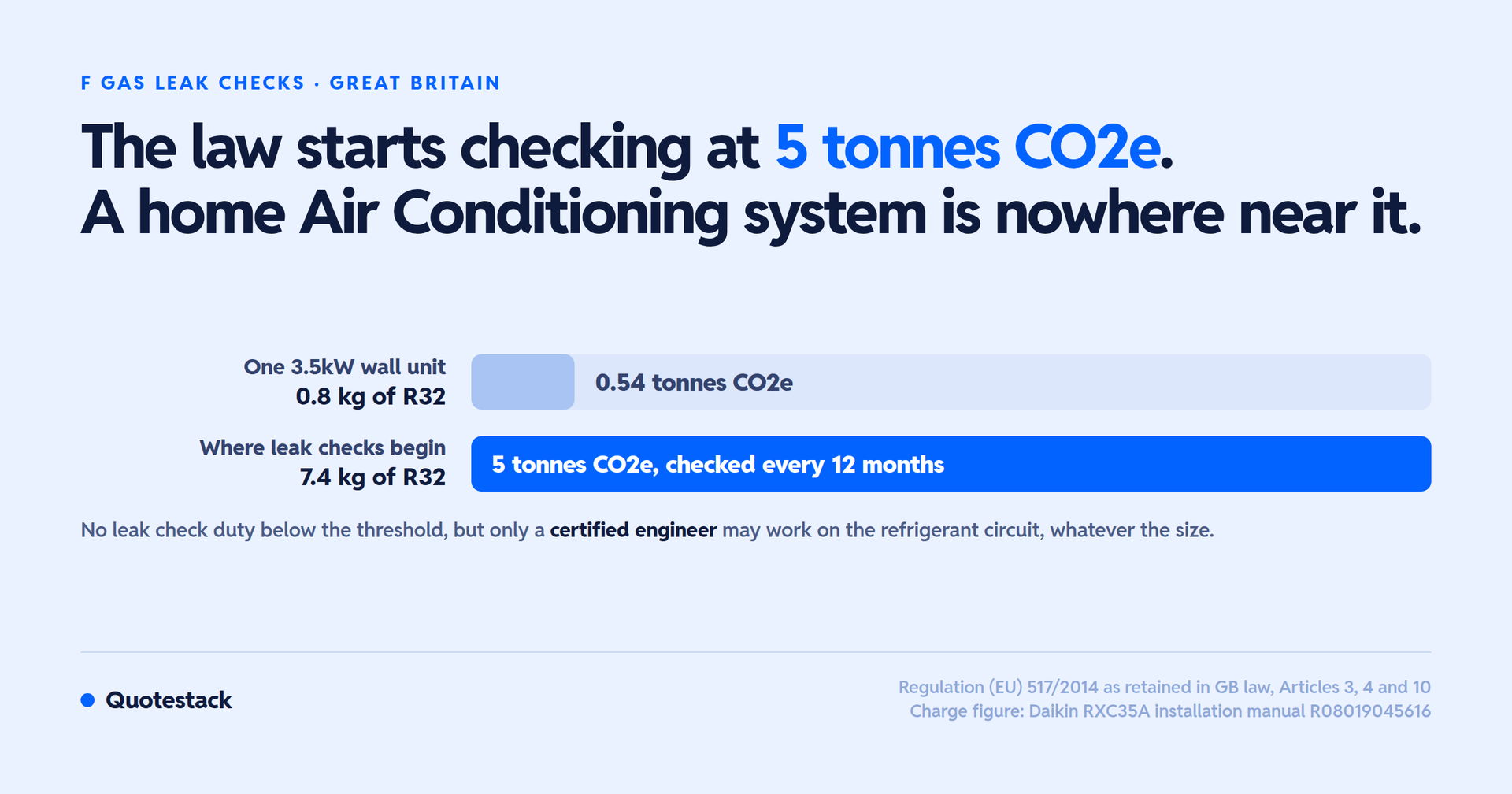
Two bars compared: one 3.5kW wall unit holds 0.54 tonnes CO2 equivalent of refrigerant, while leak c
By Francois Du Plessis • September 28, 2026
Most home Air Conditioning in Great Britain has no legal service requirement. The F Gas leak check duty starts at 5 tonnes CO2e, well above a home system.
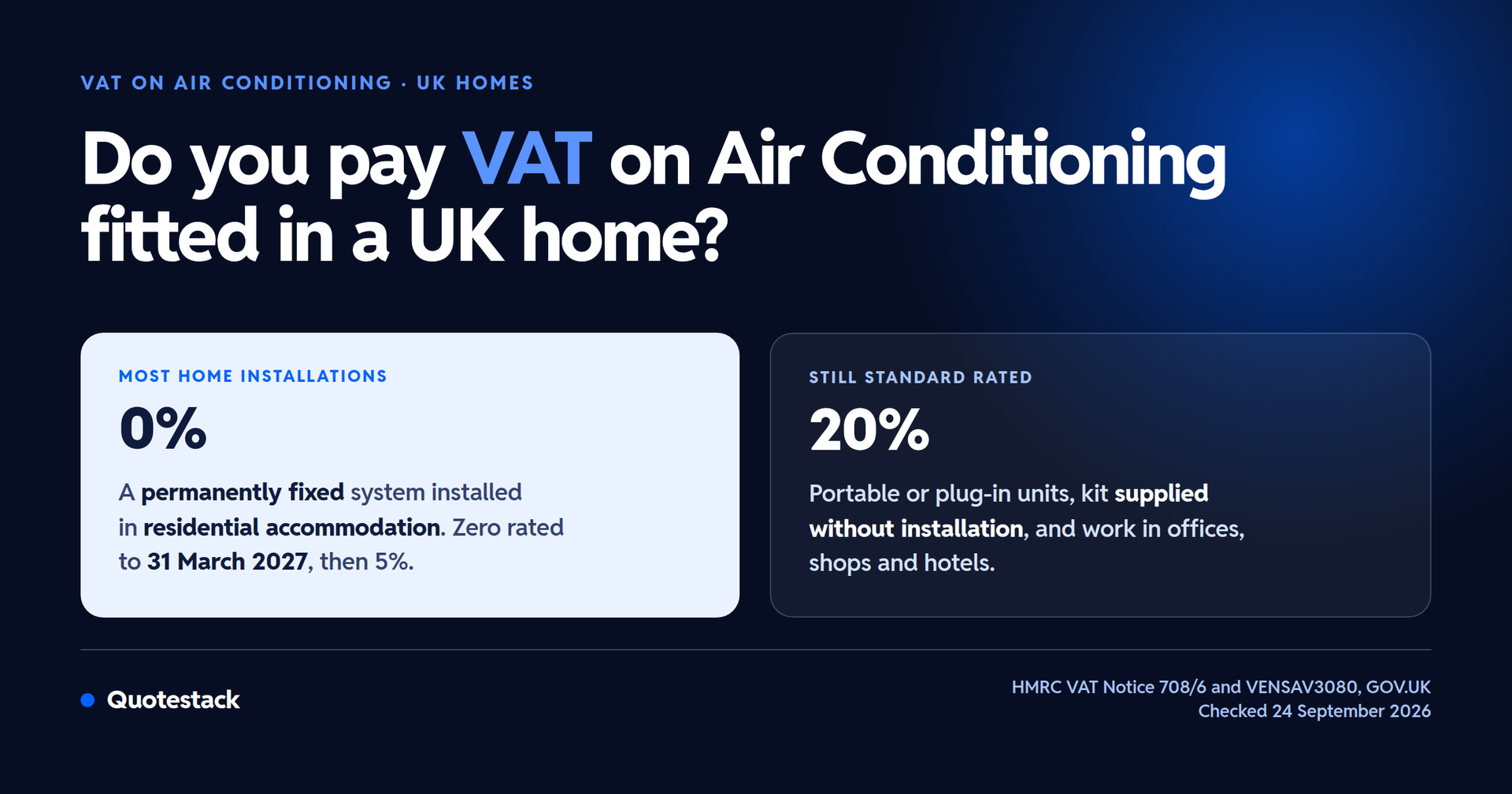
Two VAT outcomes compared for Air Conditioning in a UK home: a permanently fixed system in residenti
By Francois Du Plessis • September 25, 2026
Fixed Air Conditioning installed in a UK home is zero rated for VAT until 31 March 2027. Here is what qualifies, what still carries 20%, and what changes.
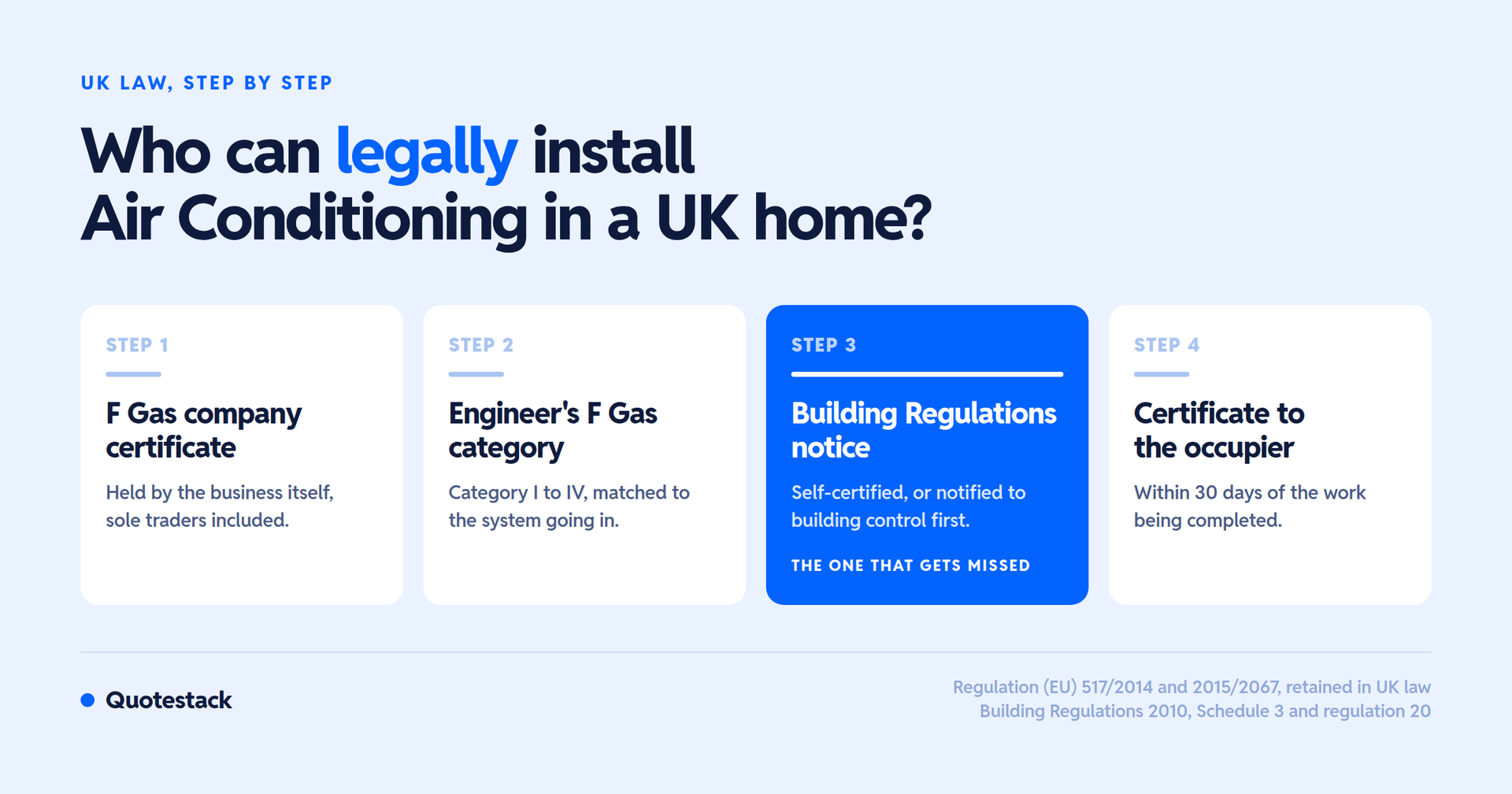
The four legal steps to install Air Conditioning in a UK home, from F Gas certificate to handover.
By Francois Du Plessis • September 21, 2026
The company needs an F Gas certificate, the engineer needs a category certificate, and in England and Wales the install is notified to building control.
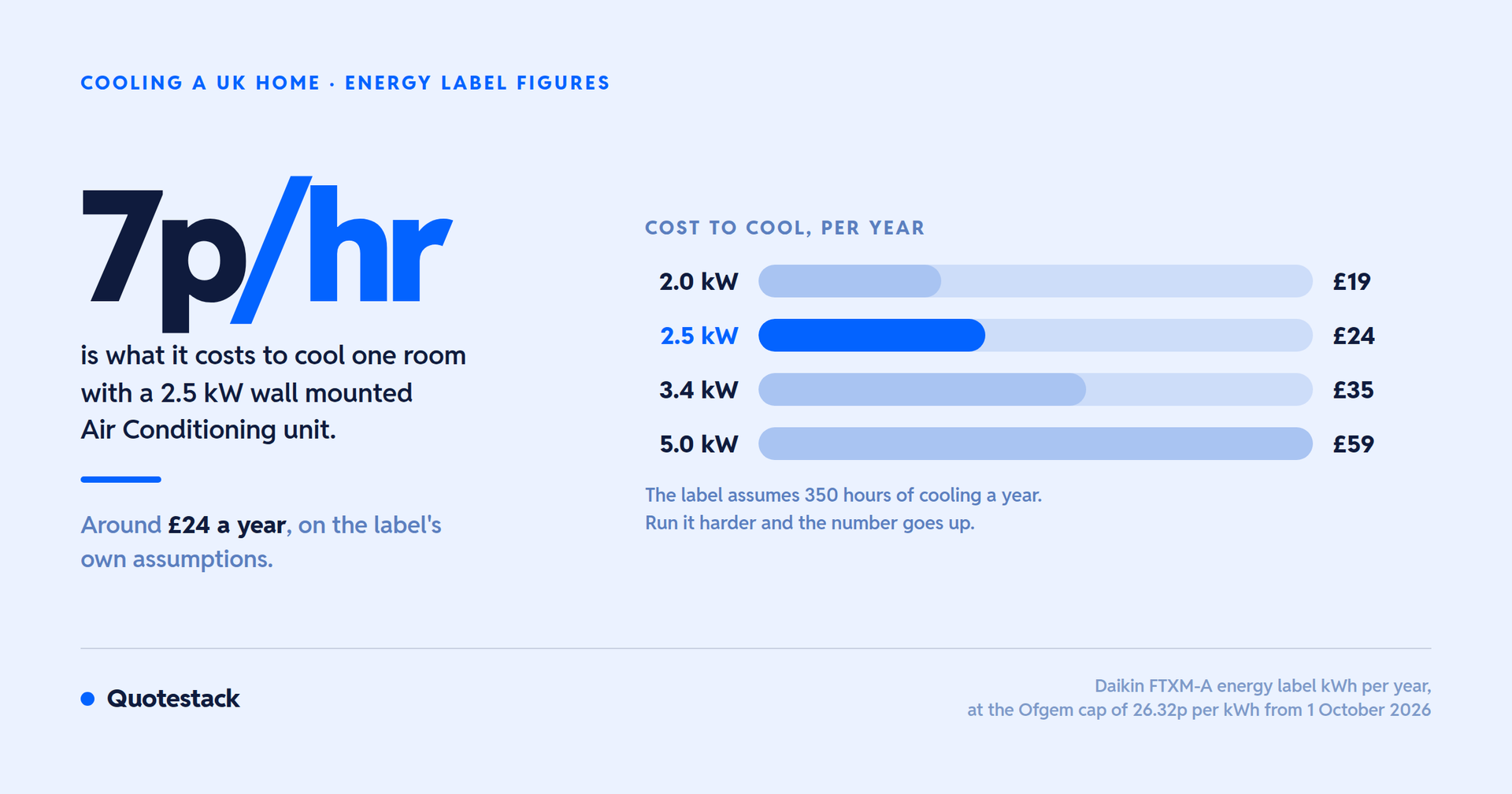
Cooling costs by Air Conditioning unit size: £19 a year for 2.0 kW up to £59 a year for 5.0 kW.
By Francois Du Plessis • September 21, 2026
A 2.5 kW wall unit costs around 7p an hour to cool, about £24 a year on its energy label. Here is where that figure comes from, and when yours is higher.
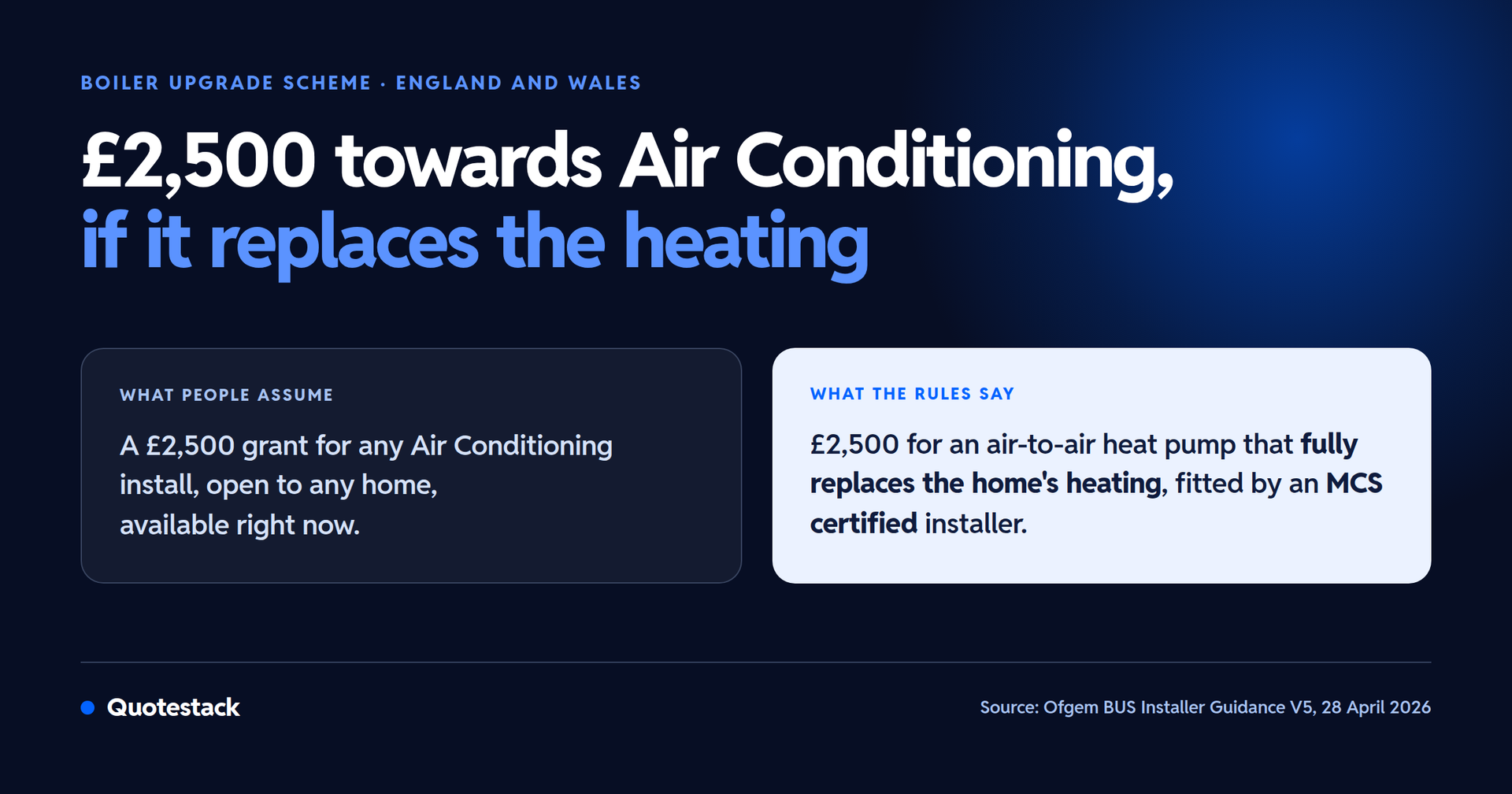
The £2,500 grant needs an air-to-air heat pump that replaces the heating, fitted MCS certified.
By Francois Du Plessis • September 14, 2026
Yes. The Boiler Upgrade Scheme pays £2,500 towards an air-to-air heat pump in England and Wales, but only if it fully replaces the home's existing heating.
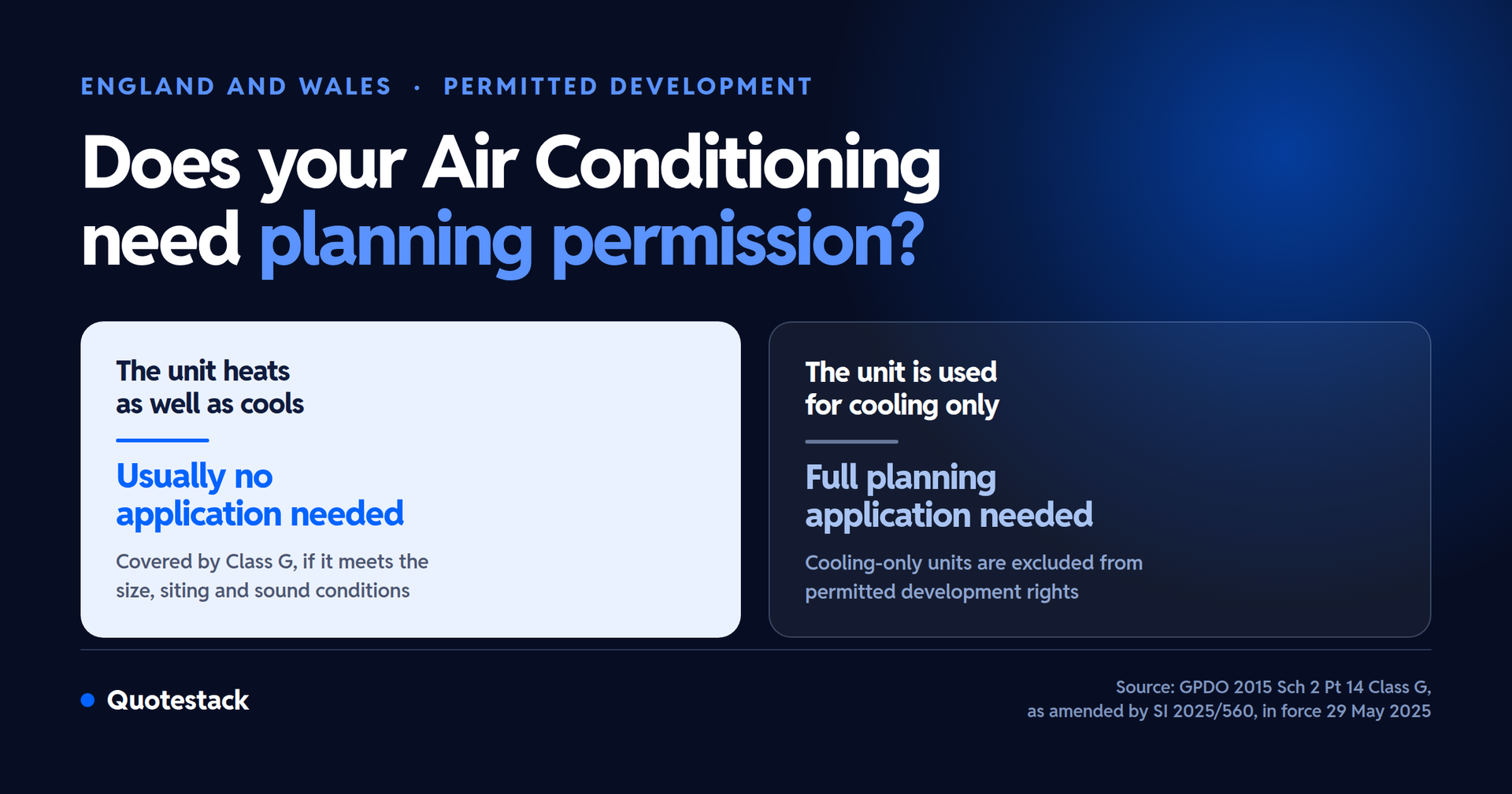
Air Conditioning that also heats usually needs no planning permission, cooling-only units do.
By Francois Du Plessis • September 11, 2026
In England and Wales, Air Conditioning that also heats can usually go in under permitted development. Cooling-only units still need a planning application.

May 29, 2026
Consistency and structure are what separate activity from long-term growth

May 25, 2026
Improving results doesn’t always require more demand

May 22, 2026
A growing sector is creating new opportunities across the workforce

May 15, 2026
Demand is building steadily, not just seasonally