



While Most People Switch Off, Your Air Conditioning Business can Quietly Get Ahead

May 1, 2026

The quieter moments often create the biggest advantage

Bank holidays are often seen as a chance to step away from work. For many, they are a break from routine — time to switch off, reset and take a pause from day-to-day demands. For air conditioning businesses, these quieter periods can offer something else.


While activity may slow temporarily, they create space to think, review and prepare. The businesses that use this time well often find themselves in a stronger position when demand picks up again.

Time Away From Daily Pressure Creates Clarity

When workloads are high, it can be difficult to step back and assess how the business is really operating. Attention is focused on completing jobs and responding to enquiries.


Quieter periods provide a rare opportunity to look at things more clearly. Processes that normally run without question can be reviewed, and small inefficiencies become easier to spot.


This clarity often leads to simple improvements that have a noticeable impact once activity increases again.

Preparation Reduces Future Pressure

Air conditioning demand tends to increase quickly as temperatures rise. When that happens, there is rarely time to make changes or improve processes.


Using quieter periods to prepare helps reduce this pressure. Whether it’s refining how quotes are built or improving how enquiries are managed, these adjustments are far easier to make in advance.


Preparation doesn’t need to be complex — even small changes can make the busy periods feel more controlled.

Customers Continue to Make Decisions

Although bank holidays can feel like a pause, customers don't stop thinking about projects.


Some use this time to research, compare options or revisit decisions they have been considering. This means that enquiries may still come through, and existing quotes may still be reviewed.


Businesses that remain organised and responsive during these periods are more likely to capture this activity.

Small Improvements Compound Over Time

Changes made during quieter periods often seem minor at the time. Adjusting how information is presented, improving consistency or refining internal processes may not feel significant in isolation.


However, when demand increases, these improvements begin to compound. What felt like a small adjustment can lead to smoother workflows, faster responses and better customer experiences.


Over time, this creates a noticeable difference in how the business performs.

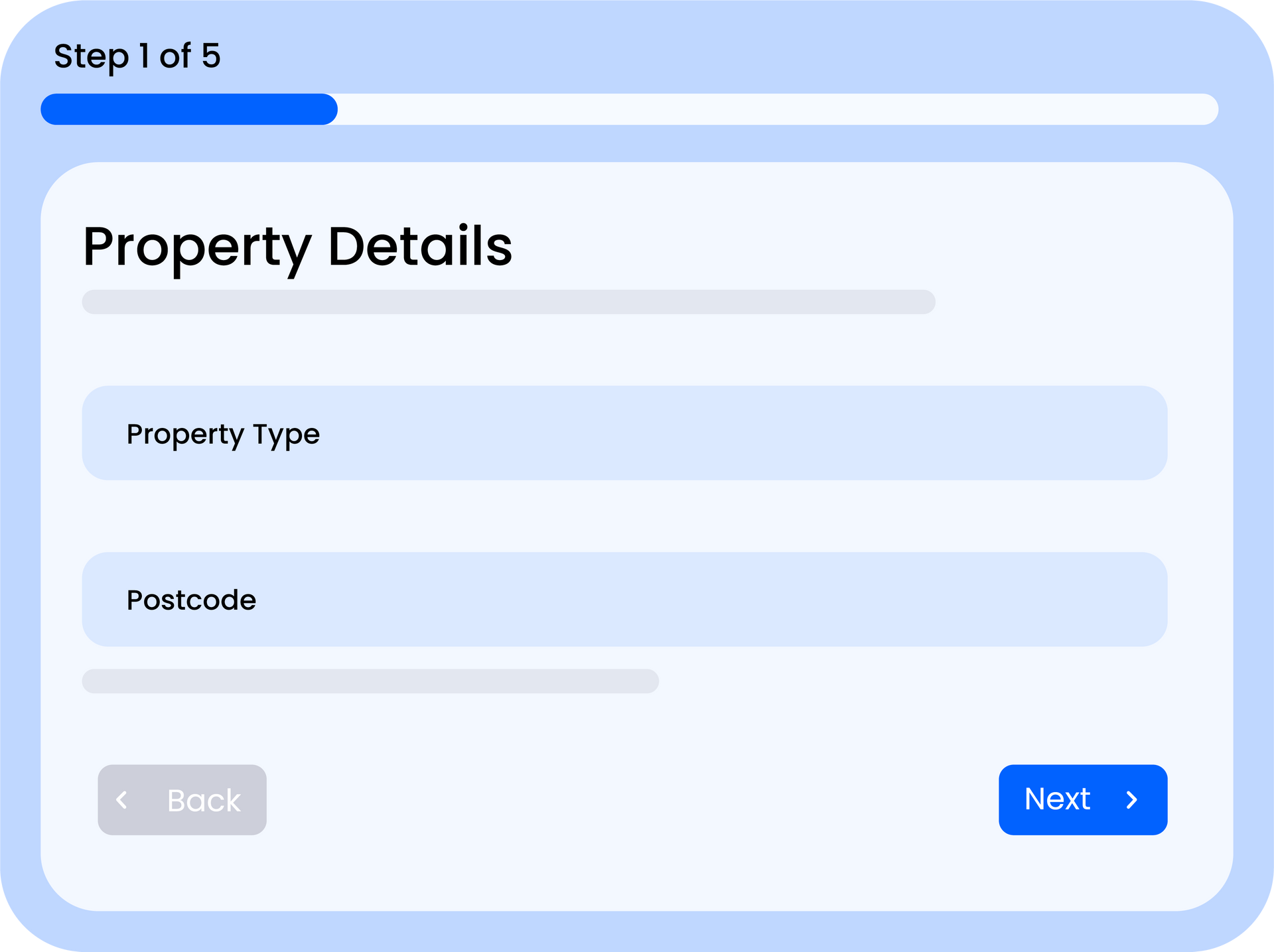
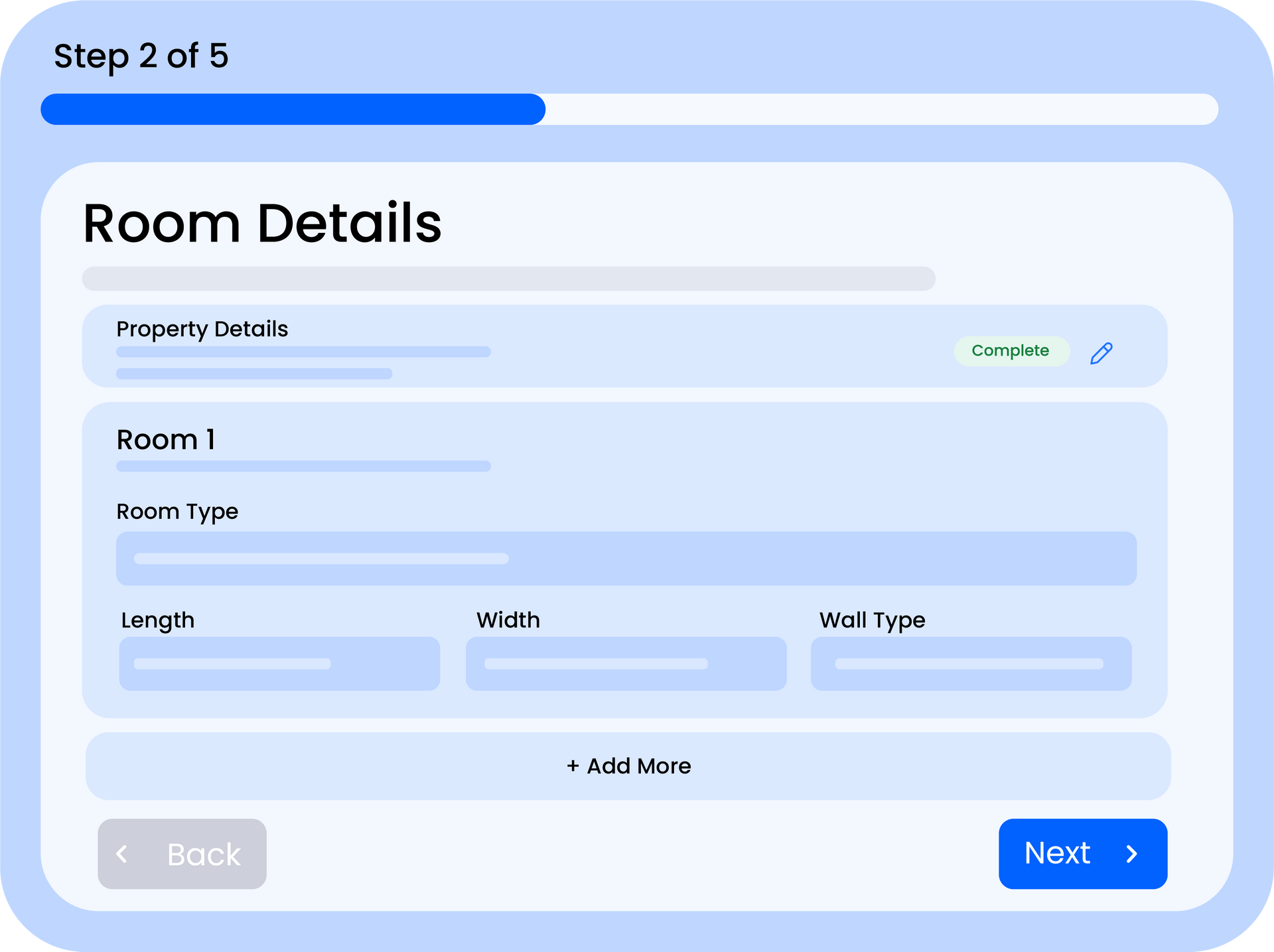
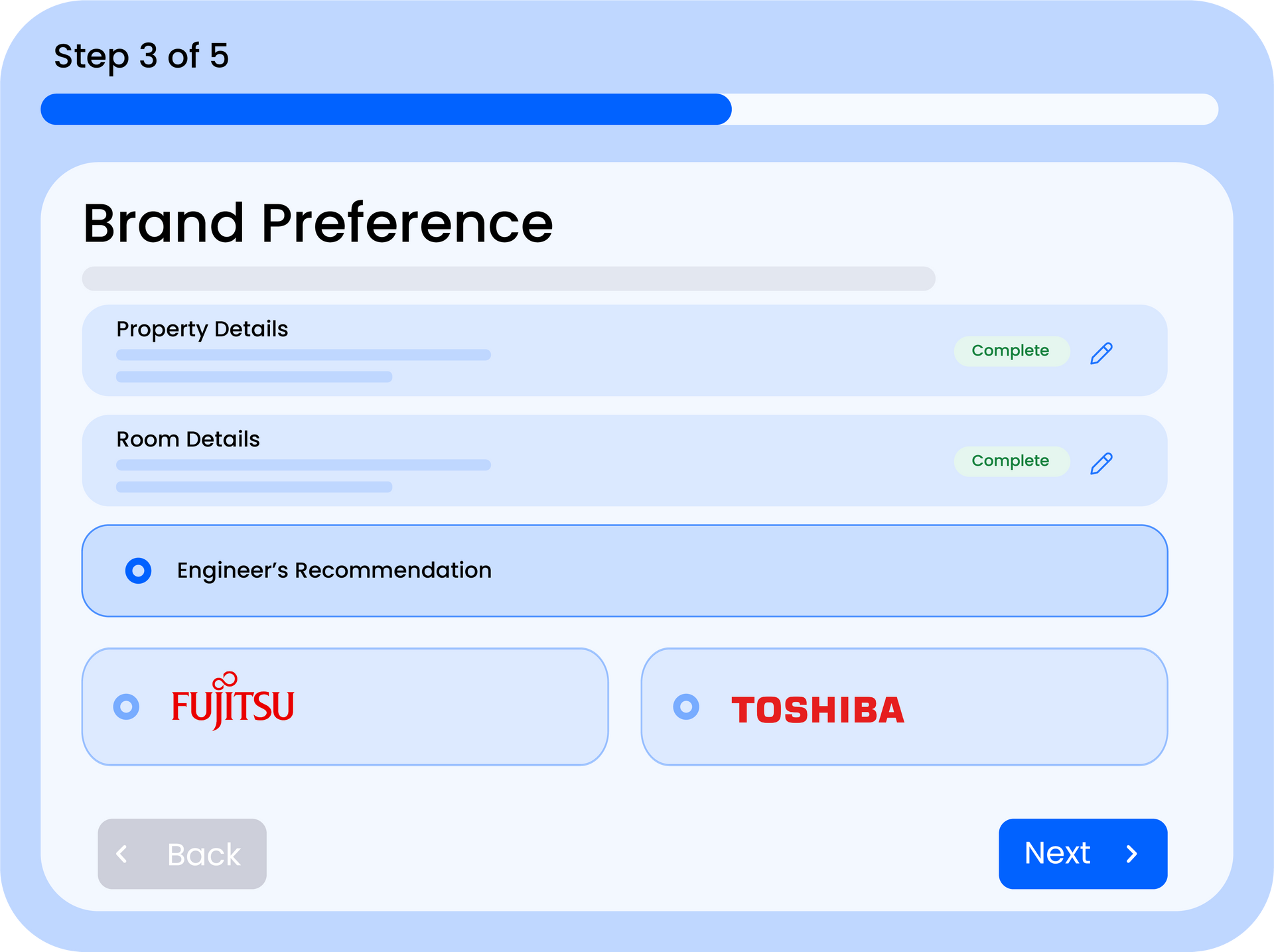
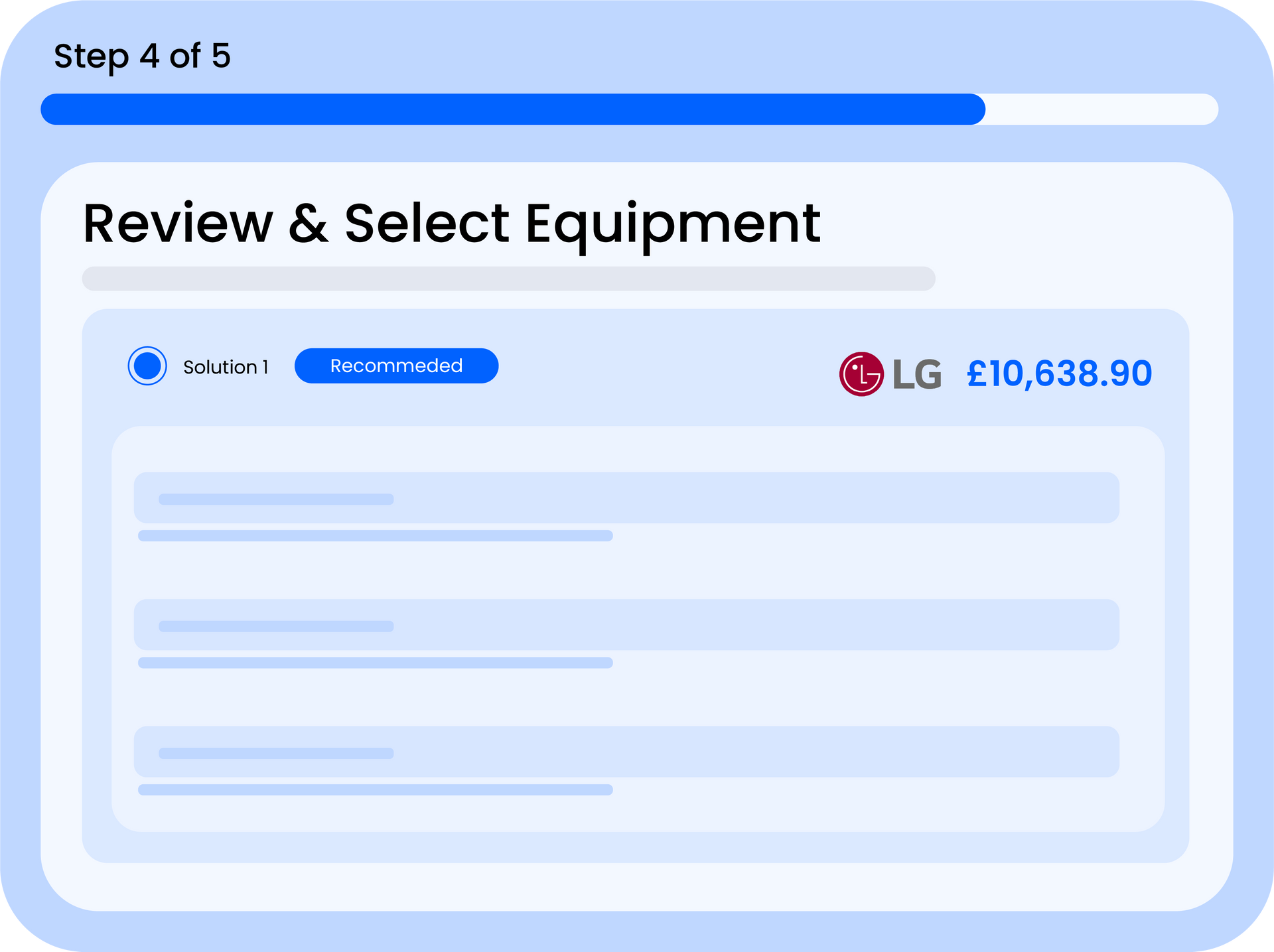
Instant Quoting Software for Air Conditioning Businesses

Save time, send quotes faster, and grow your air conditioning business with confidence

Share this article

Staying Organised Creates a Long-Term Advantage

In a growing market, the difference between businesses is not always technical ability. It is often how well they operate.


Those that take the time to stay organised — even when things are quieter — are better positioned to handle increases in demand. They are able to respond more effectively and maintain consistency as workloads grow.


This creates an advantage that becomes more visible during busy periods.

Using Quiet Time to Strengthen the Business

Bank holidays and quieter periods are not just breaks in activity — they are opportunities to strengthen how a business operates.


By using this time to review, prepare and refine processes, air conditioning businesses can position themselves for stronger performance when demand returns.


Tools such as Quotestack support this by helping businesses bring more structure and consistency to their quoting and enquiry management. With the right systems in place, even short periods of preparation can have a lasting impact.

Recent Posts

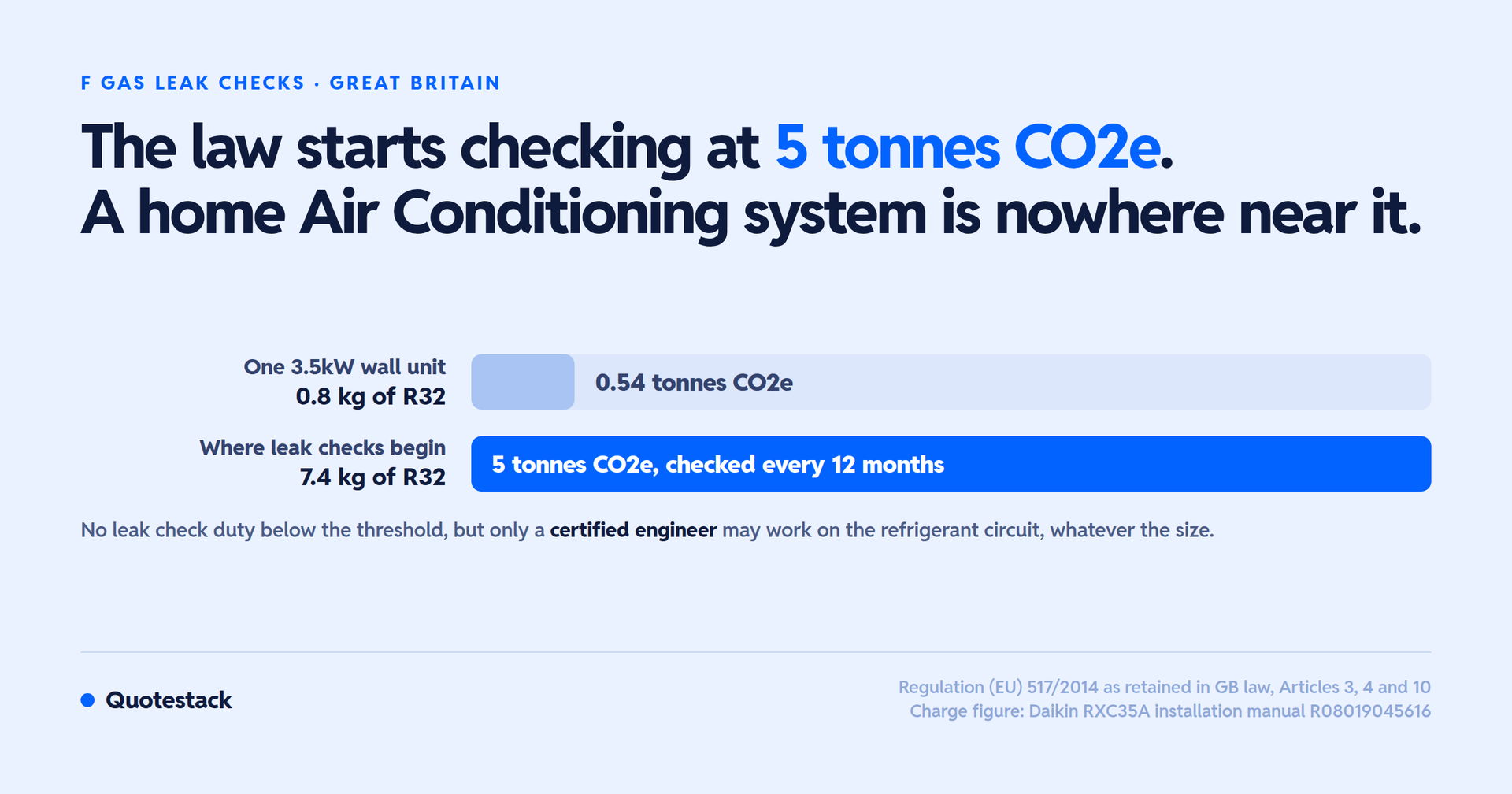
Two bars compared: one 3.5kW wall unit holds 0.54 tonnes CO2 equivalent of refrigerant, while leak c
By Francois Du Plessis • September 28, 2026
Most home Air Conditioning in Great Britain has no legal service requirement. The F Gas leak check duty starts at 5 tonnes CO2e, well above a home system.
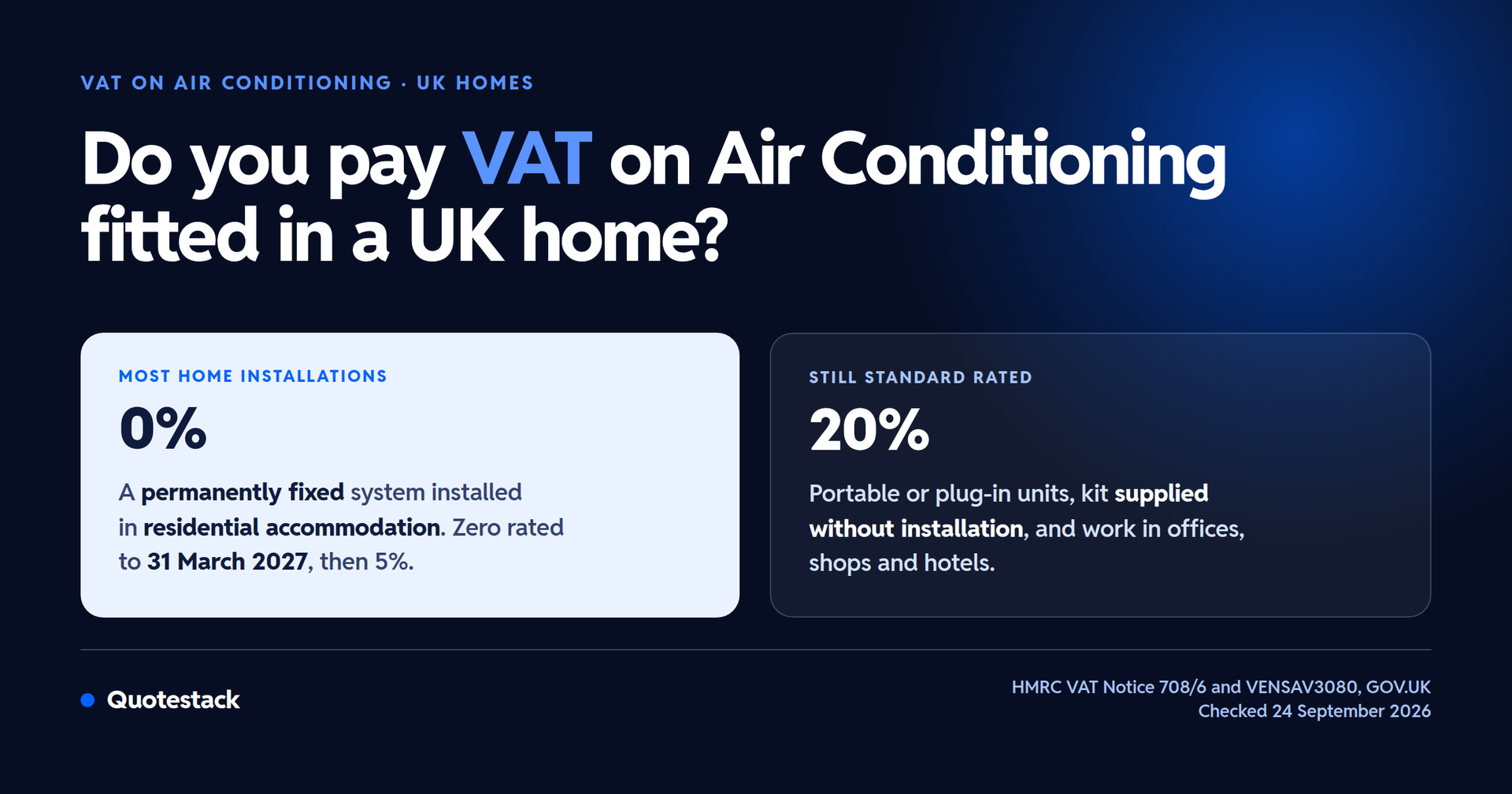
Two VAT outcomes compared for Air Conditioning in a UK home: a permanently fixed system in residenti
By Francois Du Plessis • September 25, 2026
Fixed Air Conditioning installed in a UK home is zero rated for VAT until 31 March 2027. Here is what qualifies, what still carries 20%, and what changes.
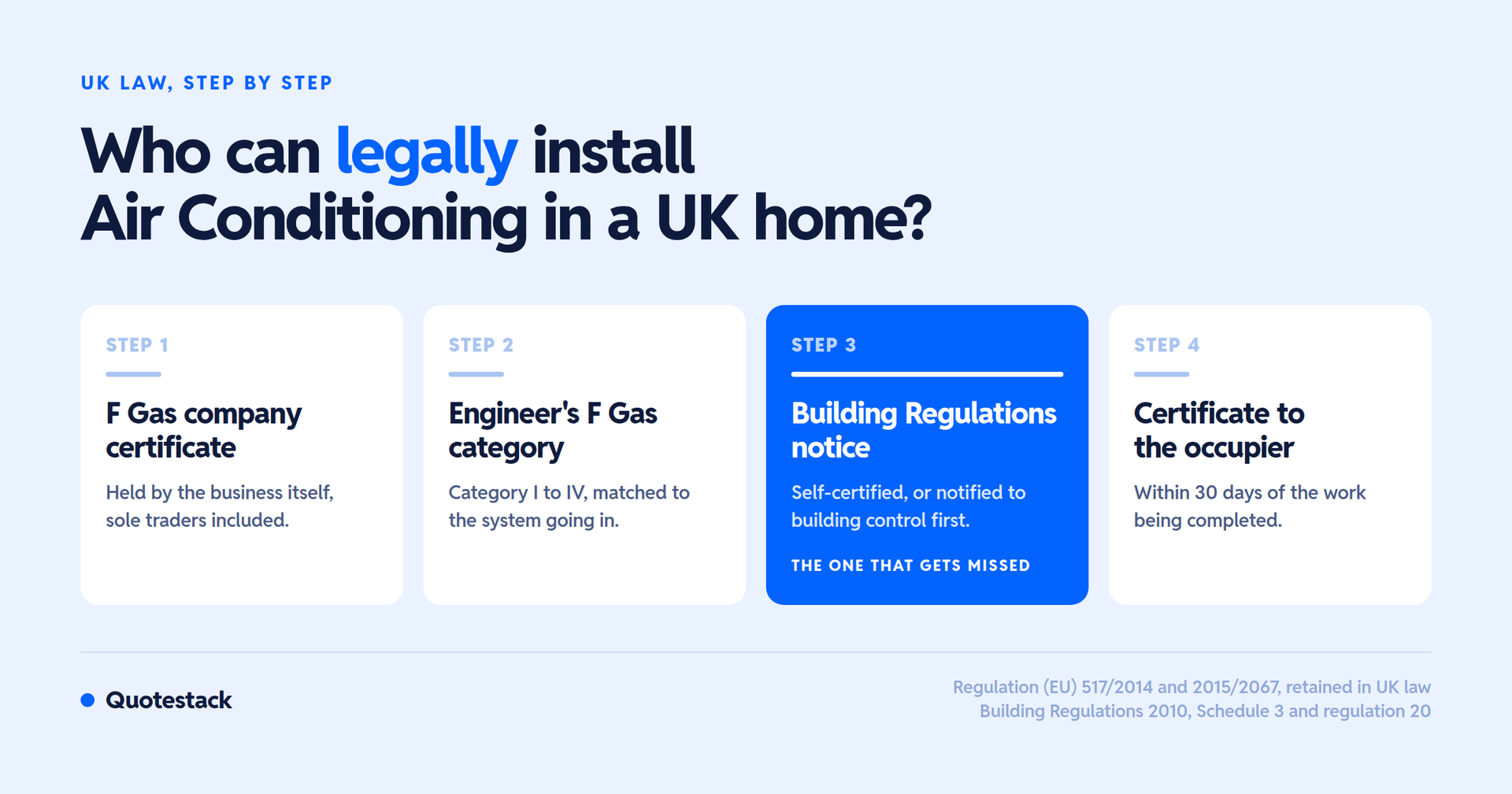
The four legal steps to install Air Conditioning in a UK home, from F Gas certificate to handover.
By Francois Du Plessis • September 21, 2026
The company needs an F Gas certificate, the engineer needs a category certificate, and in England and Wales the install is notified to building control.
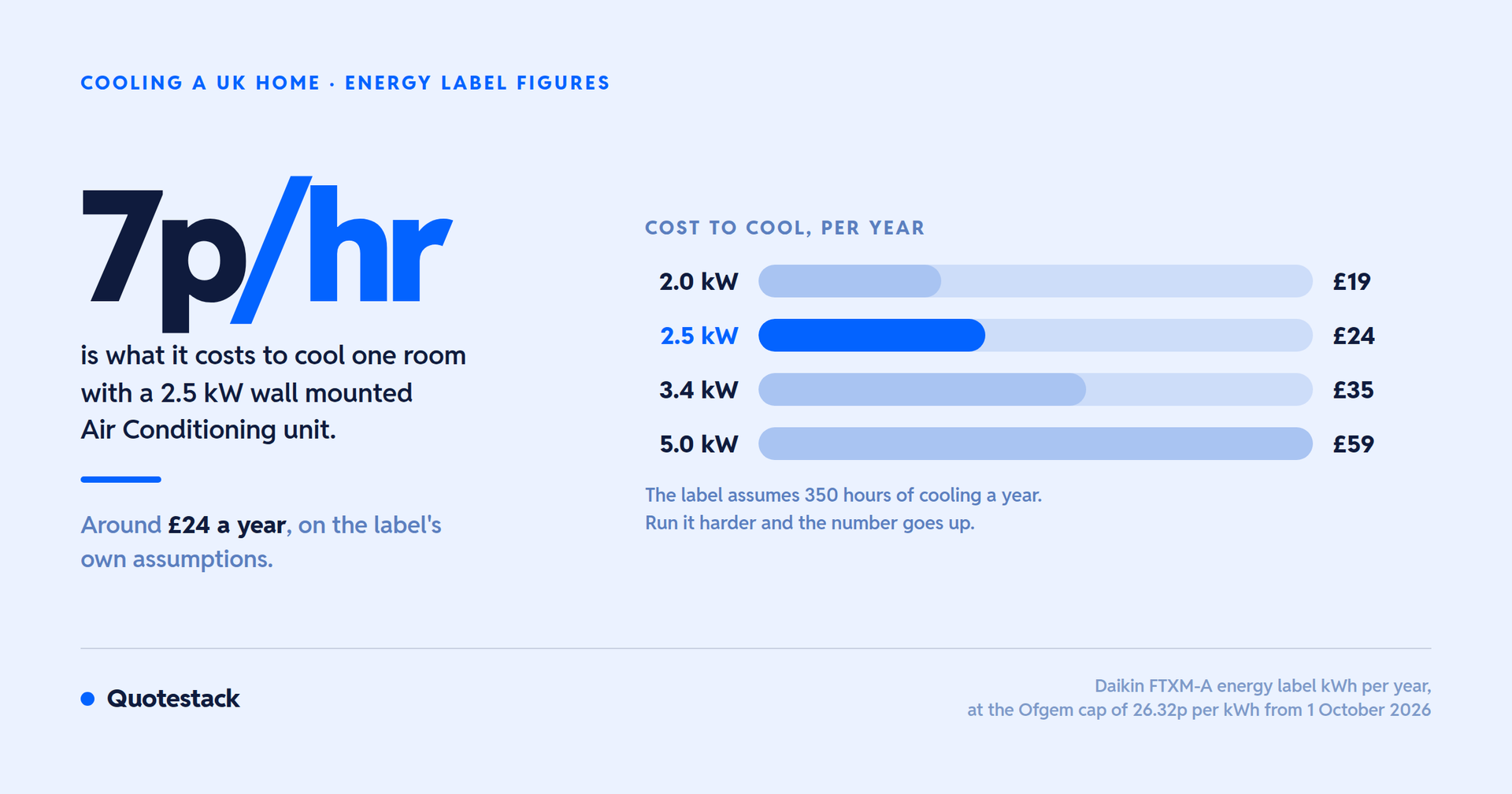
Cooling costs by Air Conditioning unit size: £19 a year for 2.0 kW up to £59 a year for 5.0 kW.
By Francois Du Plessis • September 21, 2026
A 2.5 kW wall unit costs around 7p an hour to cool, about £24 a year on its energy label. Here is where that figure comes from, and when yours is higher.
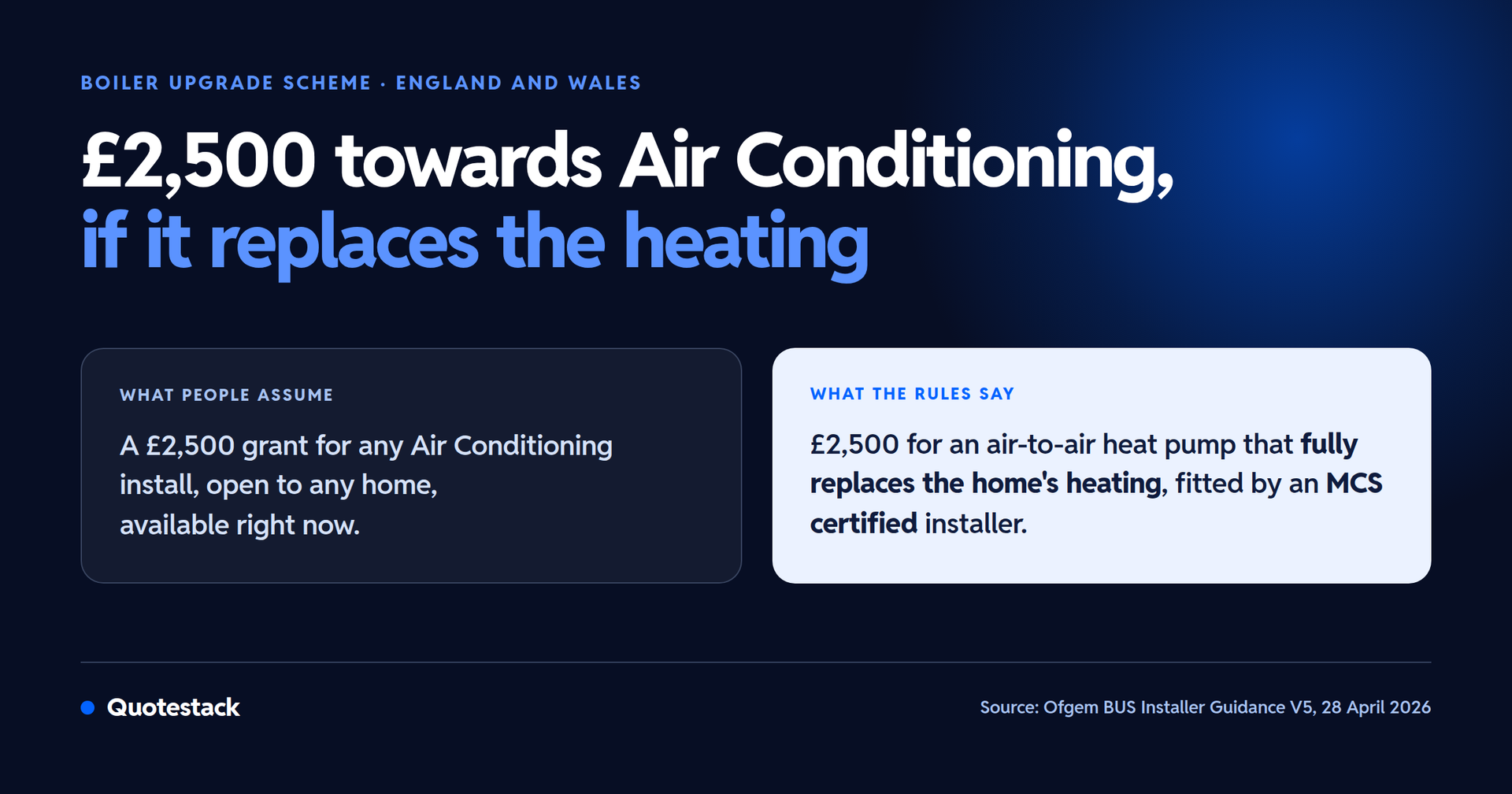
The £2,500 grant needs an air-to-air heat pump that replaces the heating, fitted MCS certified.
By Francois Du Plessis • September 14, 2026
Yes. The Boiler Upgrade Scheme pays £2,500 towards an air-to-air heat pump in England and Wales, but only if it fully replaces the home's existing heating.
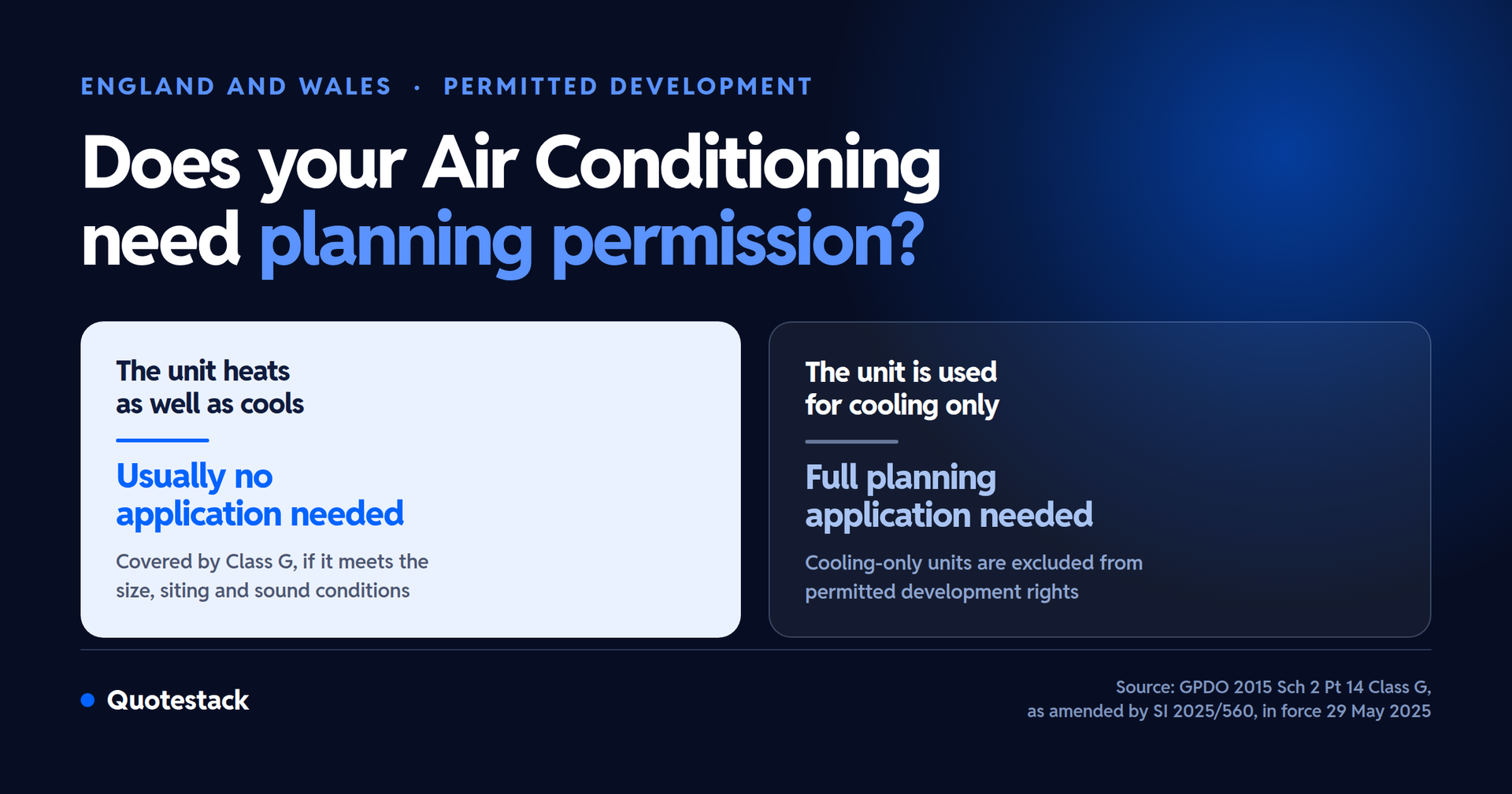
Air Conditioning that also heats usually needs no planning permission, cooling-only units do.
By Francois Du Plessis • September 11, 2026
In England and Wales, Air Conditioning that also heats can usually go in under permitted development. Cooling-only units still need a planning application.

May 29, 2026
Consistency and structure are what separate activity from long-term growth

May 25, 2026
Improving results doesn’t always require more demand

May 22, 2026
A growing sector is creating new opportunities across the workforce

May 15, 2026
Demand is building steadily, not just seasonally