



Why Professional Presentation Matters More Than Ever in Air Conditioning Sales

February 23, 2026

Quality of work has always mattered but now, so does presentatiom

In air conditioning installations, the quality of the work has always mattered.


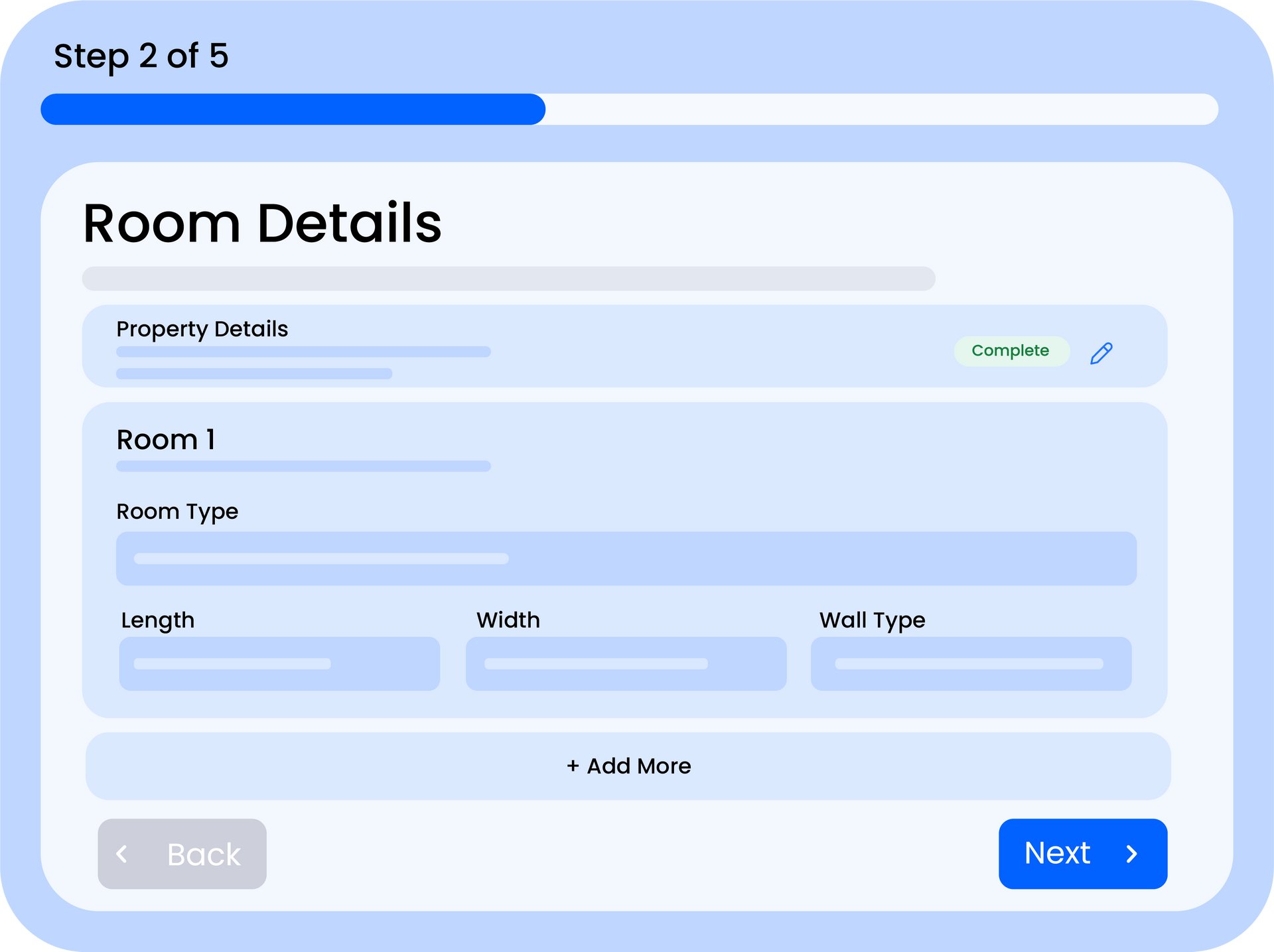
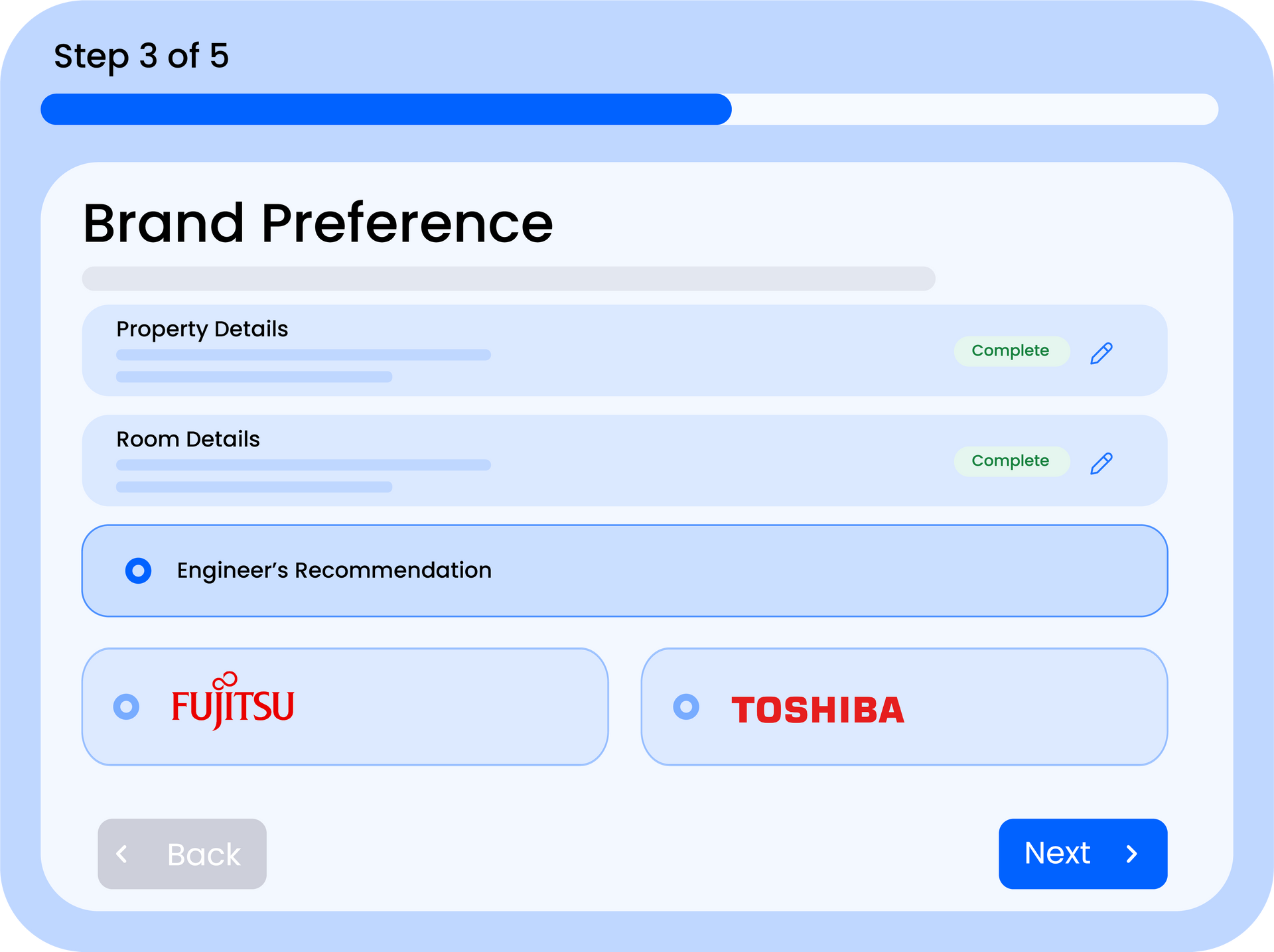
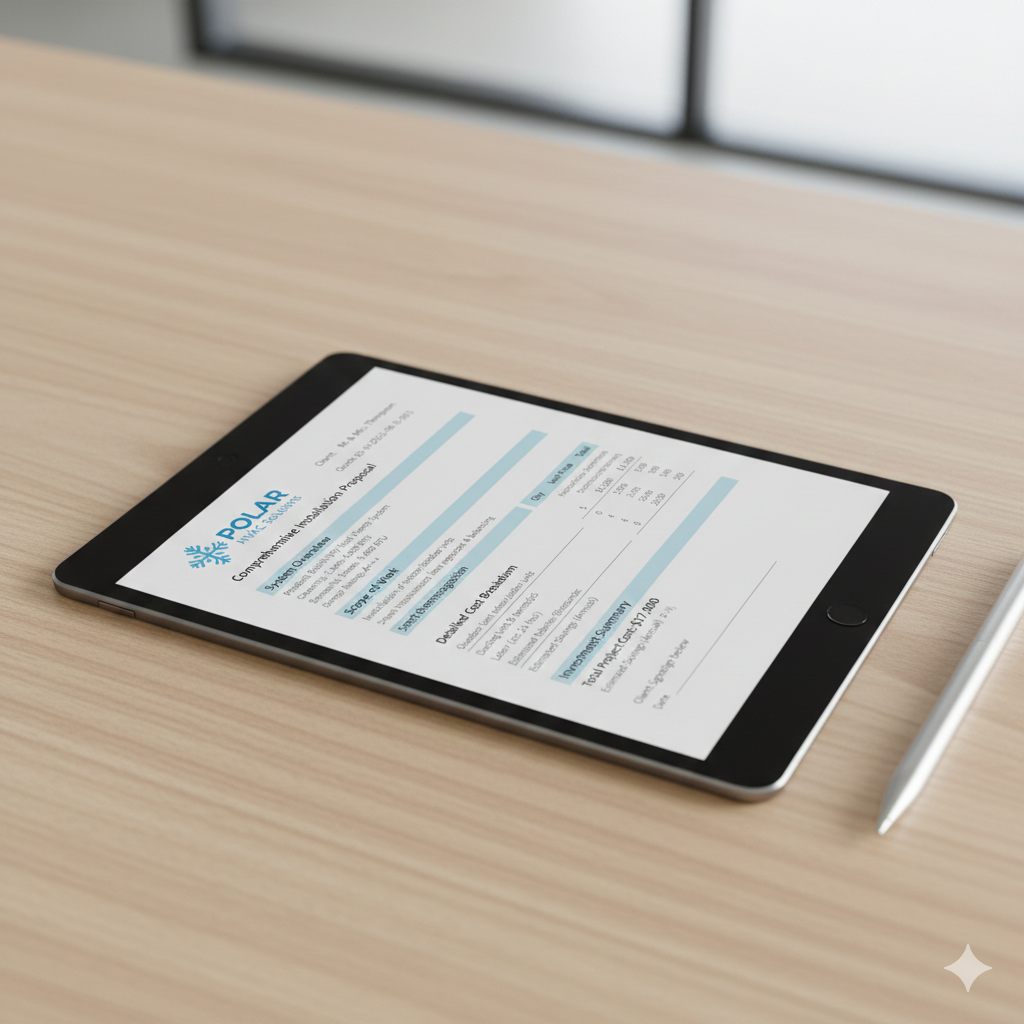
But in 2026, how that work is presented — long before installation day — plays a much bigger role in whether a job is won or lost. For many customers, their first real interaction with an HVAC business isn’t a site visit or a technical discussion. It’s a quote, an email, or a proposal.


That moment sets the tone. And increasingly, it influences trust just as much as price or specification.

First impressions are now formed digitally

Most customers form opinions before meeting an installer.


They assess professionalism through what they see on a screen: the clarity of a quote, the language used, the structure of the information, and how easy it is to understand what’s being offered. A well-presented quote suggests organisation, experience, and attention to detail. A messy or unclear one can raise doubts — even if the technical work would be excellent.


In 2026, presentation isn’t superficial. It’s part of how competence is judged.

Customers expect clarity, not complexity

Air conditioning systems are technical by nature, but customers don’t want to feel overwhelmed.


Professional presentation is about translating complexity into clarity. That means explaining what’s included, what assumptions have been made, and what the next steps look like — without unnecessary jargon or confusion.


When information is clear and structured, customers feel confident making decisions. When it isn’t, hesitation creeps in, often slowing down the sales process or pushing customers to seek reassurance elsewhere.

Presentation affects perceived value, not just price

Two quotes can specify similar systems and similar costs — yet feel very different.


A professionally presented quote communicates value. It shows thought, effort, and care. It frames the installation as a considered solution rather than a commodity purchase.


Poor presentation, on the other hand, can make even competitively priced work feel risky or rushed. Customers may struggle to see what they’re paying for, which often leads to price-driven comparisons rather than value-based decisions.

Consistency builds trust over time

Consistency in presentation is a powerful trust-builder.


When quotes follow a familiar structure, language is consistent, and branding feels cohesive, customers feel reassured. It suggests that the business operates in a controlled, repeatable way — not one that relies on improvisation.


For growing HVAC businesses, this consistency becomes increasingly important as more people become involved in quoting, sales, and communication. Presentation acts as a stabilising force, even as volume increases.

Instant Quoting Software for Air Conditioning Businesses

Save time, send quotes faster, and grow your air conditioning business with confidence

Share this article

Presentation reflects how the business operates behind the scenes

Customers often assume that what they see upfront reflects how the job will be delivered.


Clear, professional presentation suggests good organisation, structured processes, and attention to detail. Conversely, unclear or inconsistent communication can make customers wonder what else might be unstructured once work begins.


In that sense, presentation isn’t just about winning work — it’s about setting expectations for how that work will be handled.

Final thoughts

In 2026, professional presentation is no longer optional in air conditioning sales.


It’s part of how trust is built, how value is communicated, and how decisions are made. As competition increases and customer expectations continue to rise, the way work is presented can be the difference between being chosen or overlooked.


Good presentation doesn’t replace technical skill But, it ensures that skill is recognised — before the first tool is picked up.

Recent Posts

People collaborate around a table, pointing at blueprints with pens and pencils.
March 13, 2026
How your air conditioning Company can scale without hiring staff. Focus in efficiency, clarity, organisation and automation in your business to grow without hiring,
March 9, 2026
What to consider when thinking about integrating air conditioning into your existing business. Understand the challenges and how to overcome them before you begin.
March 6, 2026
Understanding the UK Air Conditioning Market
2026 spelled out with wooden blocks on a light surface.
March 2, 2026
Learn how to successfully prepare your air conditioning company to grow rather than just survive in 2026 - how to scale, not just survive.
Arrow graph showing air co business profit margin increasing, going from current to optimized state.
February 24, 2026
Understanding where margins are lost in your air conditioning business is often more valuable than chasing more work. This explains where you could be losing out.
Sunglasses on sand reflect the orange sunset over the water.
February 19, 2026
Learn why summer exposes weaknesses in your air conditioning Company. Understand how to identify the problem, make changes and implement efficiency before the busy period
February 13, 2026
Across the AC industry, quoting has become one of the biggest drains on time, energy and focus — juggling surveys, installations, and admin takes away from scaling
Man points at laptop screen in a kitchen, smiling. A phone and a mug sit nearby.
February 10, 2026
Customers are used to speed, transparency, and clear communication. This is now moving into the air conditioning Industry
Two people installing equipment on a wall, one on a ladder using a power tool, the other vacuuming. Indoors.
February 10, 2026
The past 18 months, has seen a stream of new AC systems aimed at the domestic and light commercial market - this article explains these and what this means for you.
TM44 document and pen on a desk. A person sits at a computer in the background
February 10, 2026
TM44 inspections changed in 2025, but 2026 is when the changes are being enforced. It's up to engineers to understand the requirements & communicate this to clients