


The Training Gap in the UK Air Conditioning Industry: What Small Businesses Are Experiencing
Why Practical Skills Matter More than Ever
For small air conditioning companies in the UK, one of the most common operational challenges isn’t the work itself — it’s having access to a workforce with the right blend of practical skills and confidence. While apprenticeships and formal training provide essential foundations, many new installers still struggle with real-world demands once they hit site.
In an industry where customer expectations, compliance and quality standards are rising, gaps between qualification and competence can create stress for both business owners and the apprentices they’ve invested in. This isn’t a criticism of training — it’s a reflection of the broader landscape where training provision hasn’t always kept pace with industry needs.
The Skills Pipeline Isn't Delivering Enough Practical Confidence
Air conditioning installation training in the UK typically involves a combination of classroom learning and on-the-job experience. Apprenticeships such as those in refrigeration and air conditioning include both technical knowledge and practical elements, but feedback from businesses suggests there’s room for improvement when it comes to real-world readiness. (GOV.UK)
A recent industry overview of technician training across multiple sectors highlighted that the UK education and training system is currently not equipped to deliver the volume or breadth of skilled workers required by employers, with fragmented entry routes and varied rigour in vocational programmes. (Gatsby)
For small air conditioning companies — which often rely on a mix of apprentices and experienced installers — this manifests as inconsistent practical ability, variable confidence levels and a need for more time and support once new installers join the workforce.
What Small businesses are Really Saying
Beyond abstract reports, air conditioning leaders across the UK have spoken directly about the issue. Many mention that apprentices often lack the level of hands-on experience that employers expect on day one — particularly in areas like system commissioning, troubleshooting, and customer communication. Practical training provision at colleges and centres sometimes struggles to match the pace of industry needs, leading to waiting lists or outdated course formats that don’t fully reflect modern installation work. (Lawton Tubes)
This isn’t unique to air conditioning alone — wider engineering and technical sectors are experiencing similar recruitment and training challenges — but it’s especially noticeable in smaller air con companies where every team member’s capability has a direct impact on customer satisfaction and business reputation.
The Impact of Confidence on Business Performance
A lack of confidence in new installers doesn’t just affect site performance — it can influence commercial outcomes too. When business owners aren’t confident that an installer can quote accurately, install efficiently or represent the company professionally, they tend to:
- Spend more time supervising and coaching
- Avoid deploying new staff on bigger jobs
- Delegate technicians to smaller, less complex work
- Experience slower business growth
All of this reduces productivity and limits the ability to compete with larger, better-resourced firms.
Confidence is just as important as competence. An installer who has been trained but hasn’t built confidence through real-world exposure may perform technically, yet still lack the proactive problem-solving and customer communication skills that keep clients satisfied.
What the Industry Could do Differently
Addressing the training gap doesn’t require scrapping apprenticeship programmes — it’s about evolution. Several steps could help align training more closely with business needs, including:
Greater collaboration between training providers and installation businesses;More structured workplace mentoring and apprenticeship follow-through & Practical assessments based on real installation scenarios rather than purely theoretical exercises
Industry bodies such as the Federation of Environmental Trade Associations (FETA) and professional institutions like the Chartered Institution of Building Services Engineers (CIBSE) are already involved in discussions around standards and professional development — indicating that this conversation is happening across the sector.
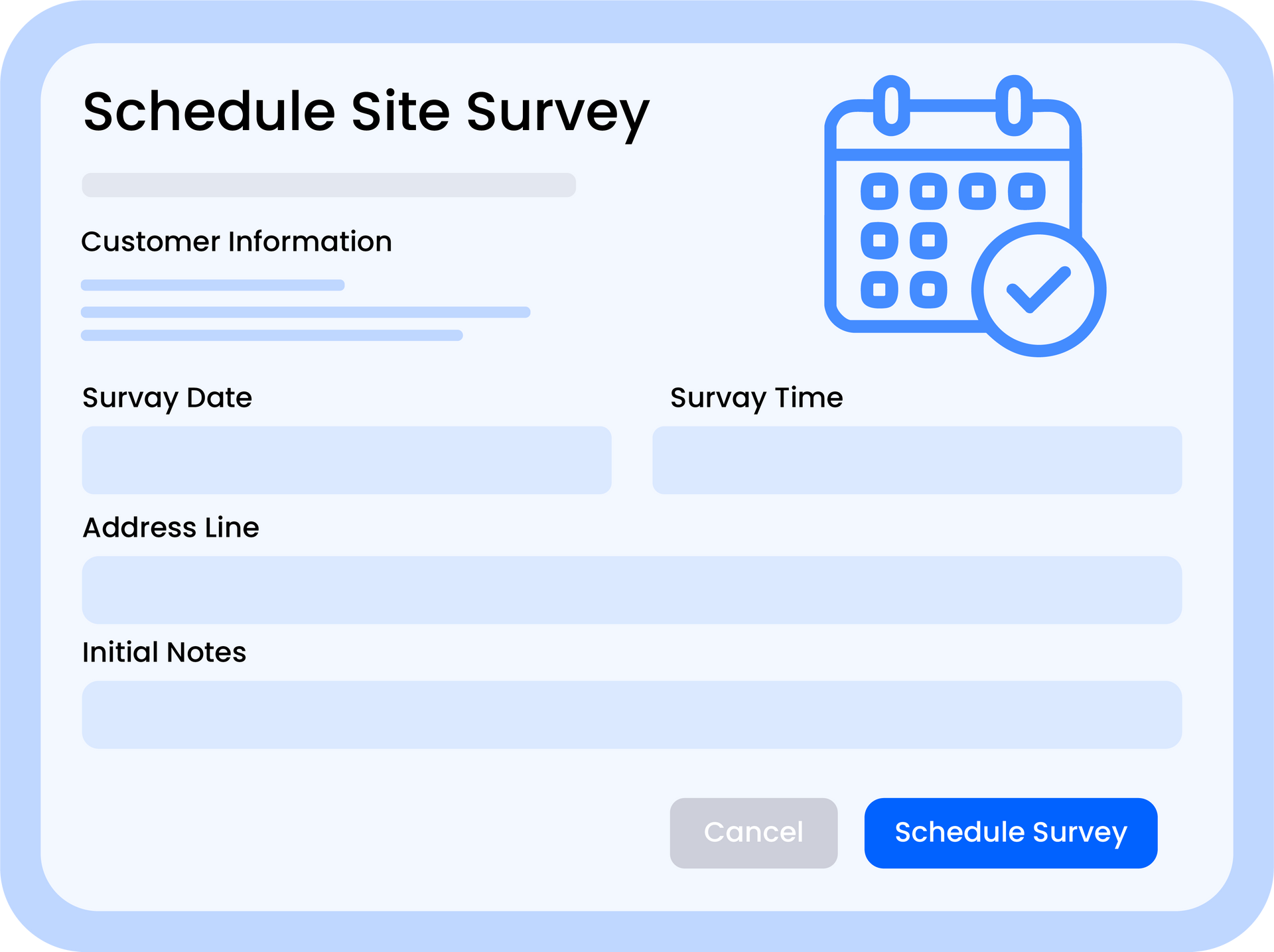
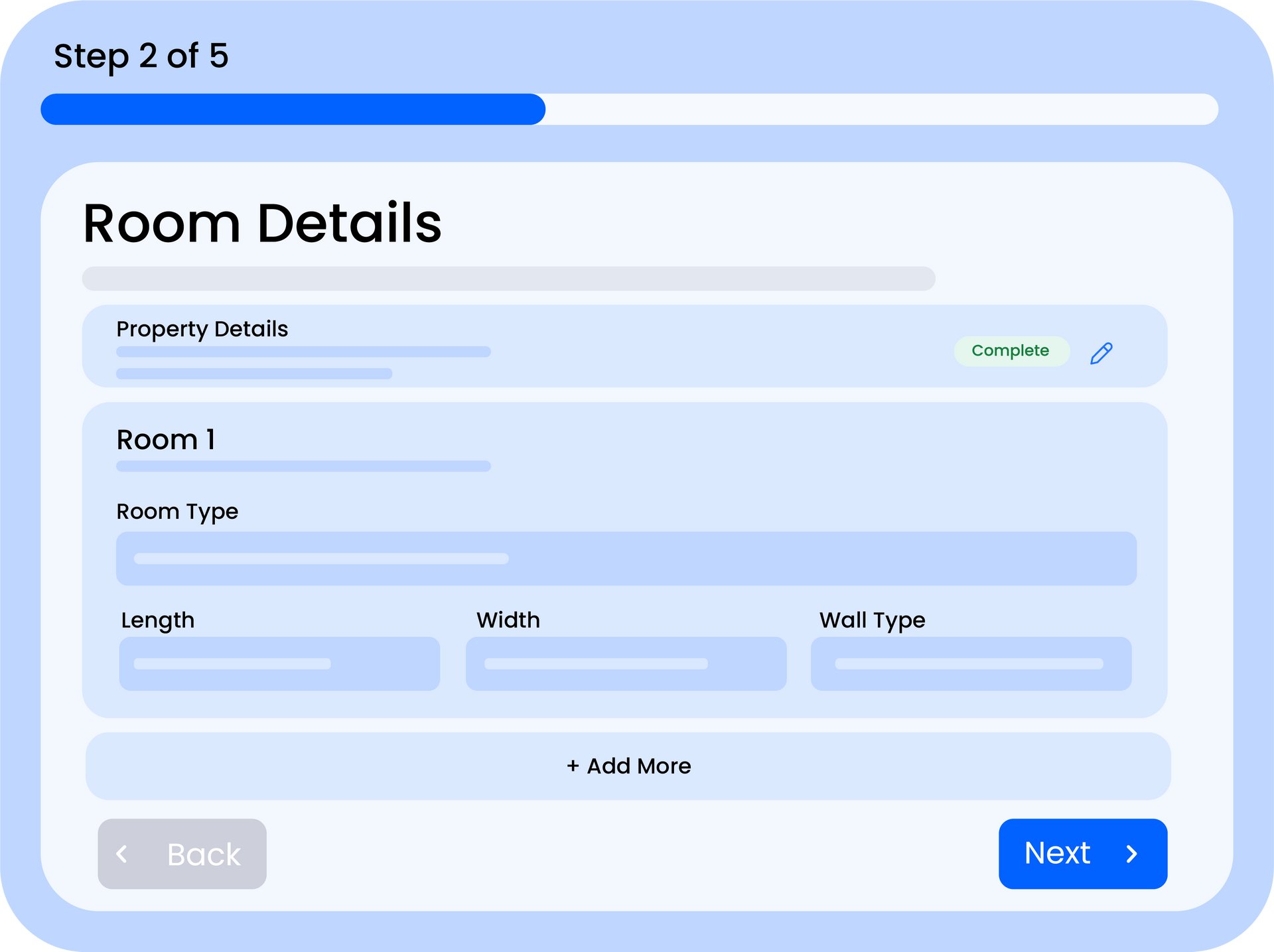
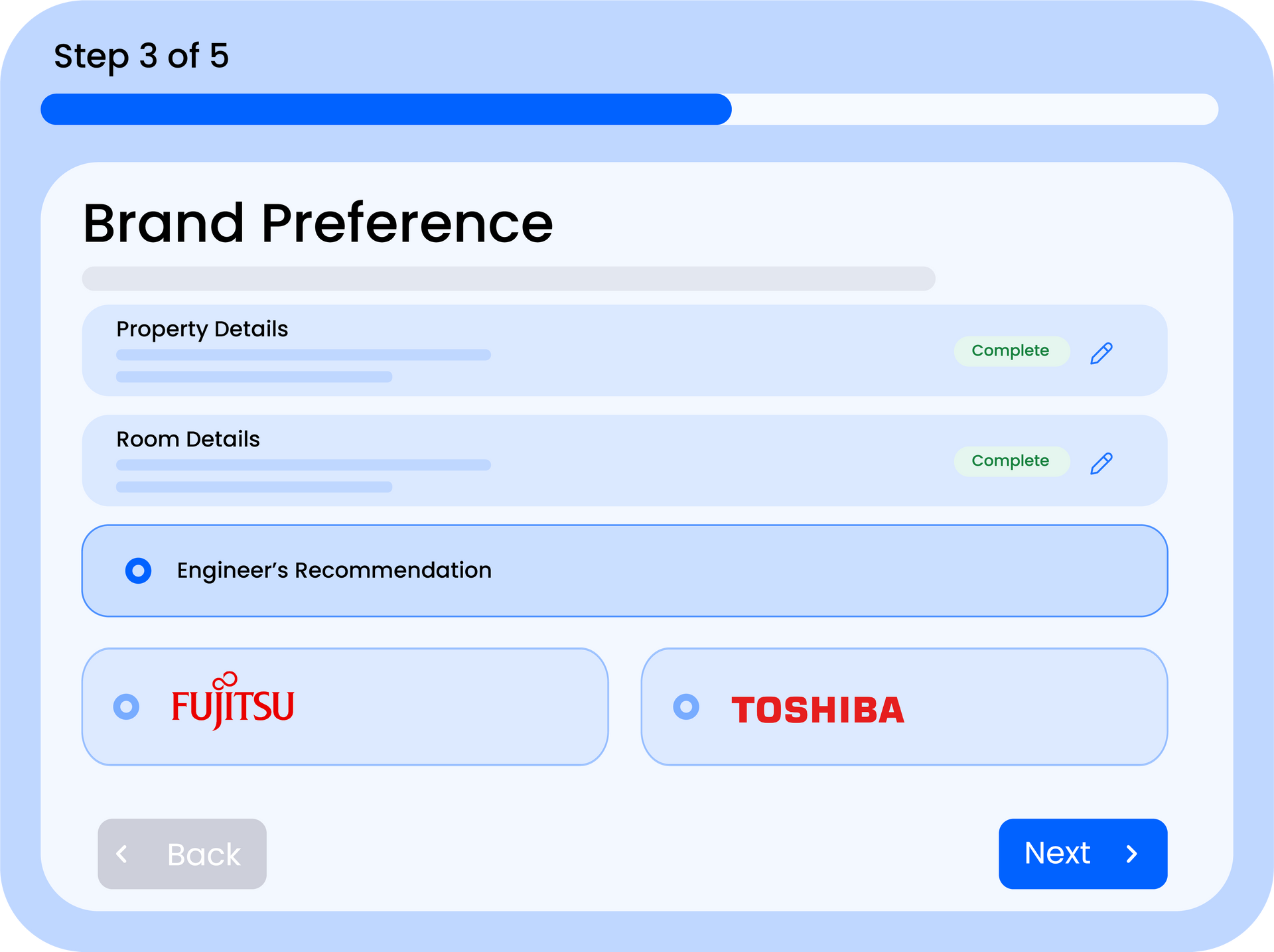
Instant Quoting Software for Air Conditioning Businesses
Save time, send quotes faster, and grow your air conditioning business with confidence
How Businesses Can Support Practical Competence
In the absence of system-wide changes, many smaller air conditioning companies are taking training into their own hands.
This is where
Quotestack Academy can also play a role. Alongside structured quoting tools such as
Quotestack, academy-style content that bridges the gap between classroom learning and day-to-day commercial requirements helps new installers better understand quoting logic, pricing structure and customer communication — all essential elements of running a modern air conditioning business.
A Supportive Path Forward
The training gap experienced by small air conditioning companies in the UK isn’t a crisis without a remedy — it’s an opportunity. By recognising where practical readiness still needs support, businesses can take proactive steps that help technicians build confidence faster, improve customer outcomes, and strengthen long-term competitiveness.
Preparation, mentorship and structured support — both on the job and through supplemental education — make all the difference in turning newly qualified installers into confident professionals capable of meeting the demands of today’s air conditioning market.