




How to Quote Air Conditioning Installations More Accurately

February 10, 2026

Where inaccuracies usually start

Accurate quoting has always mattered in air conditioning work, but in 2026 it matters more than ever. Material costs fluctuate, labour availability changes seasonally, and customers expect pricing to be clear and fast. When quotes are off — even by small amounts — the knock-on effects show up later as squeezed margins, awkward conversations, or costly call-backs.


Most installers don’t struggle with the technical side of the job. Where accuracy breaks down is usually earlier in the process, when assumptions are made under time pressure and details slip through the cracks.

Why speed often undermines accuracy

As demand for air conditioning continues to rise, installers are under pressure to respond faster. Quotes that used to take days are now expected within hours. The problem is that speed often comes at the expense of detail.


When quotes are rushed, businesses either price defensively — adding buffers “just in case” — or underprice to stay competitive. Neither approach is sustainable. Accuracy isn’t about slowing down; it’s about having the right structure in place so fast quotes are still well-informed ones.

The role of consistent data in better quoting

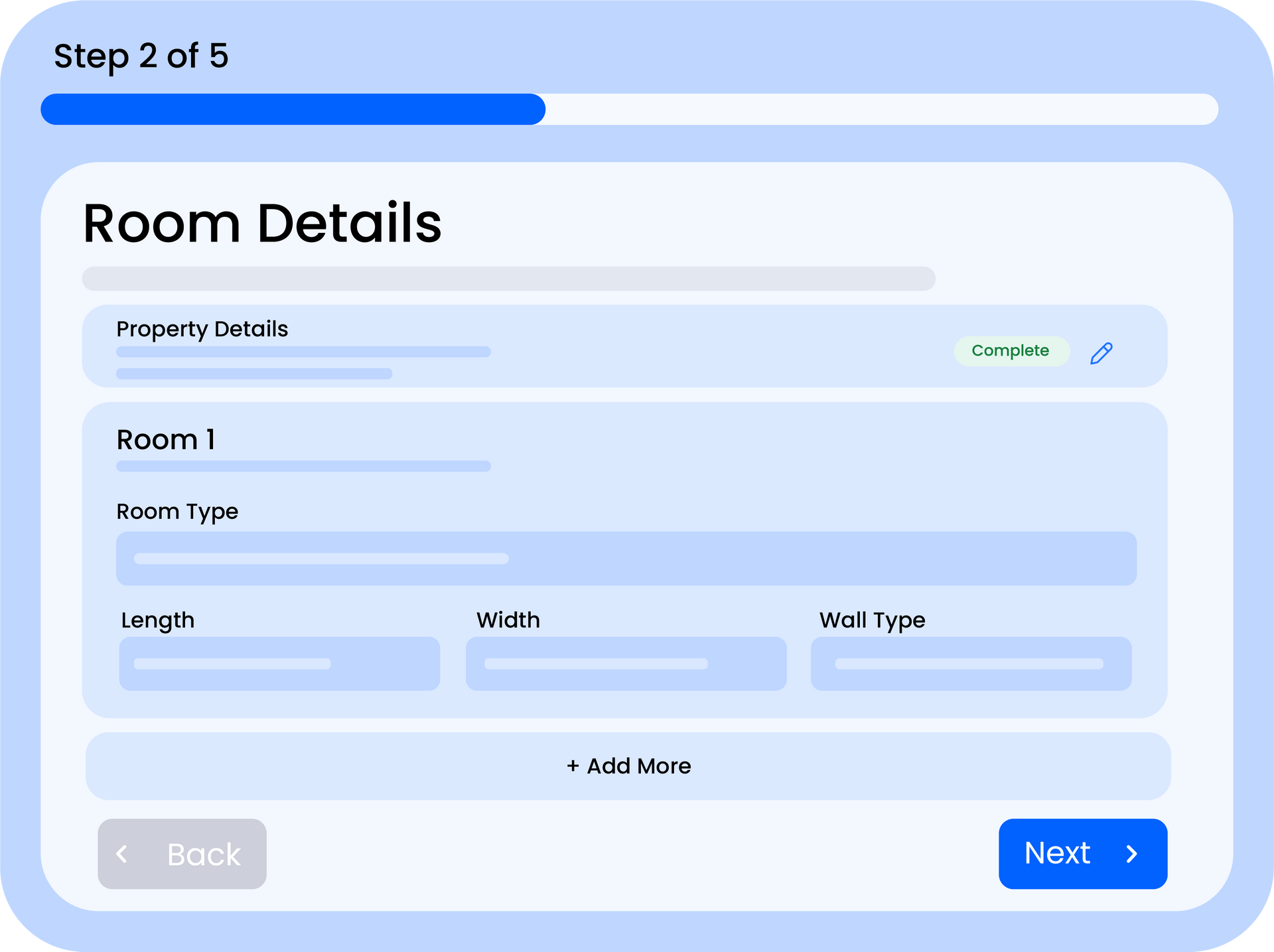
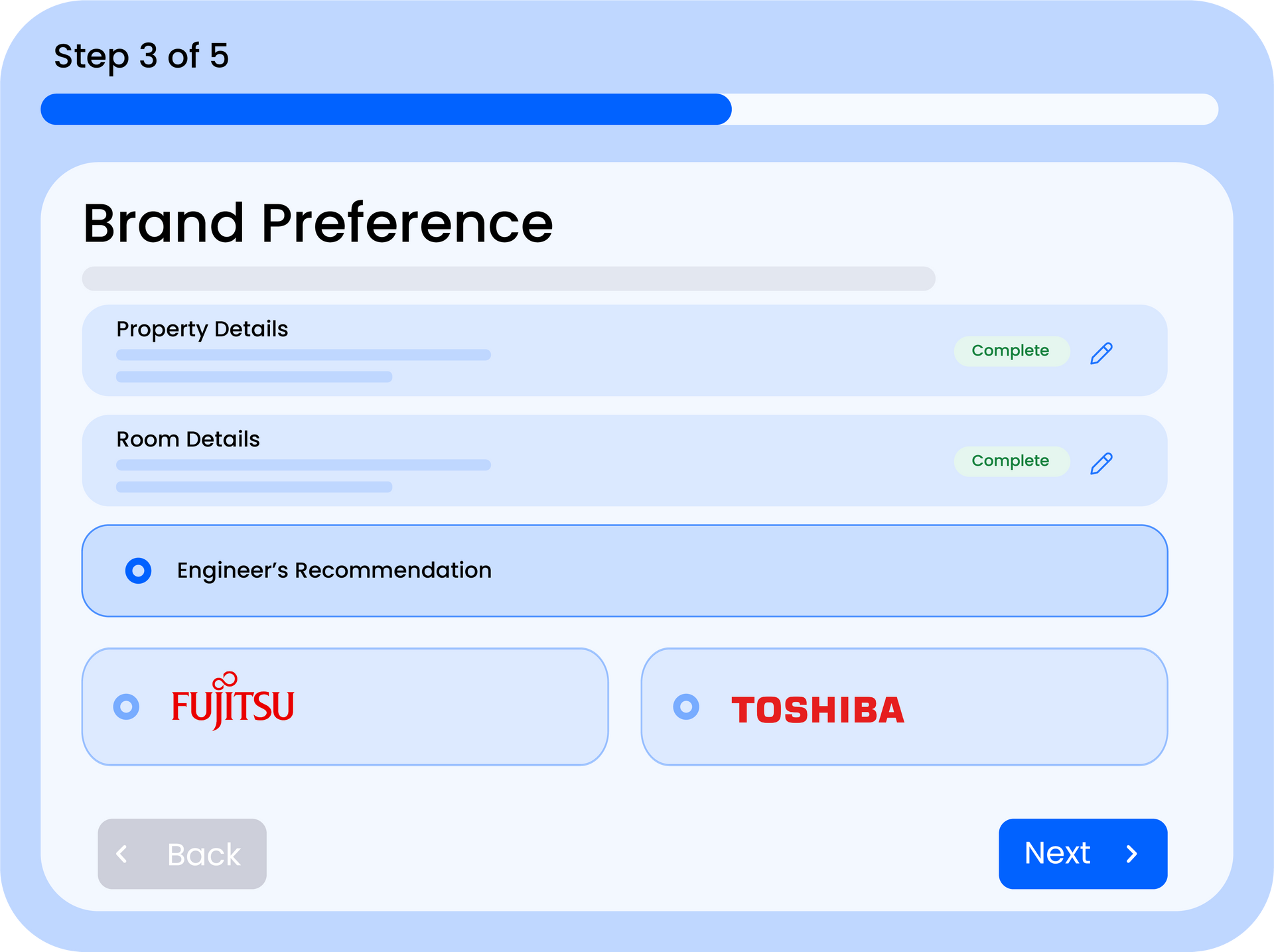
More accurate quoting starts with better inputs. When data is gathered consistently — room sizes, usage patterns, preferred manufacturers, installation variables — it becomes far easier to produce quotes that reflect the real scope of work.


This is where software-led quoting has changed the game. By capturing customer and site information upfront, businesses reduce reliance on memory and guesswork. Engineers can focus on validating details during surveys rather than rebuilding quotes from scratch.

How Quotestack supports accurate air conditioning quotes

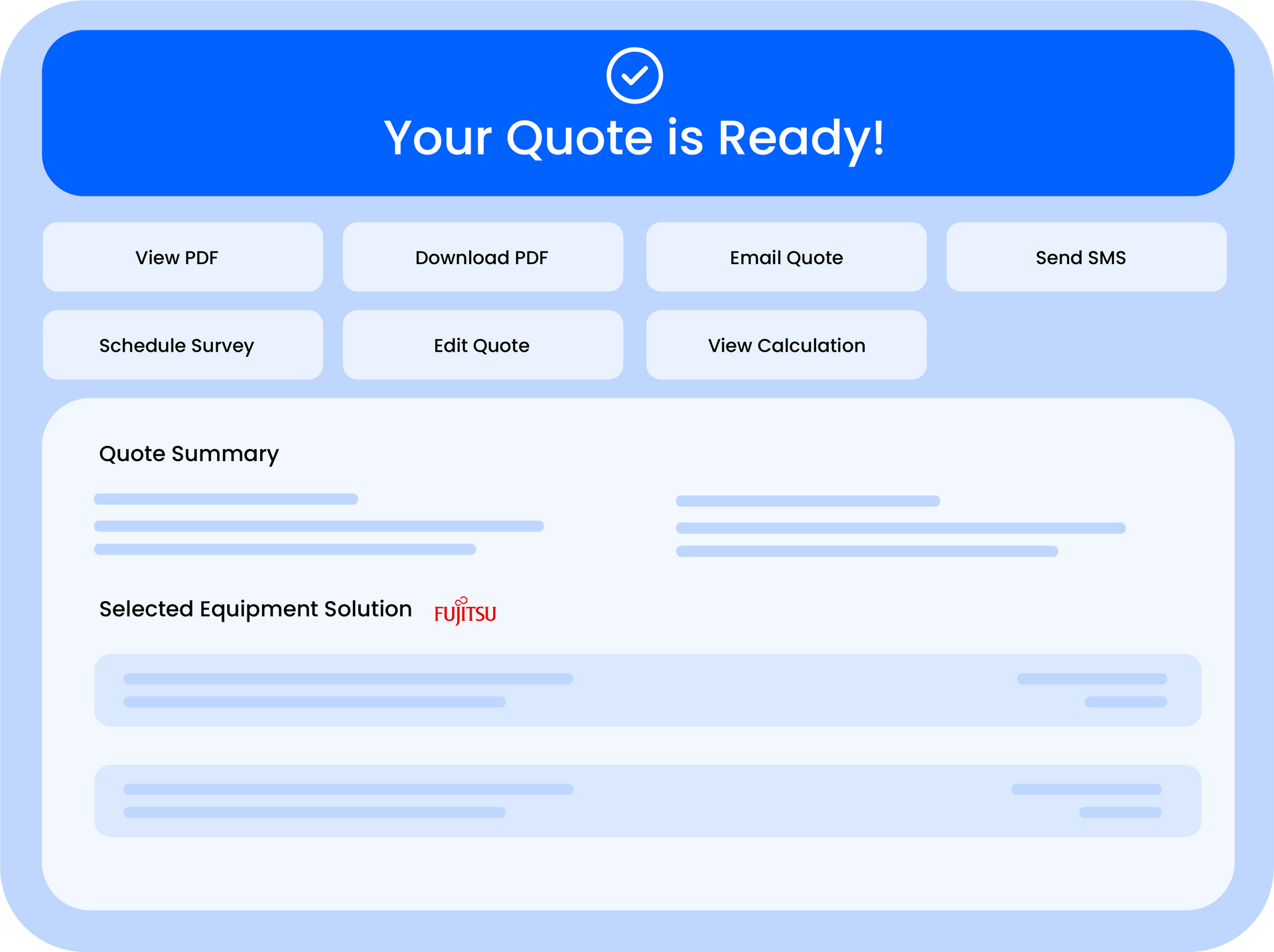
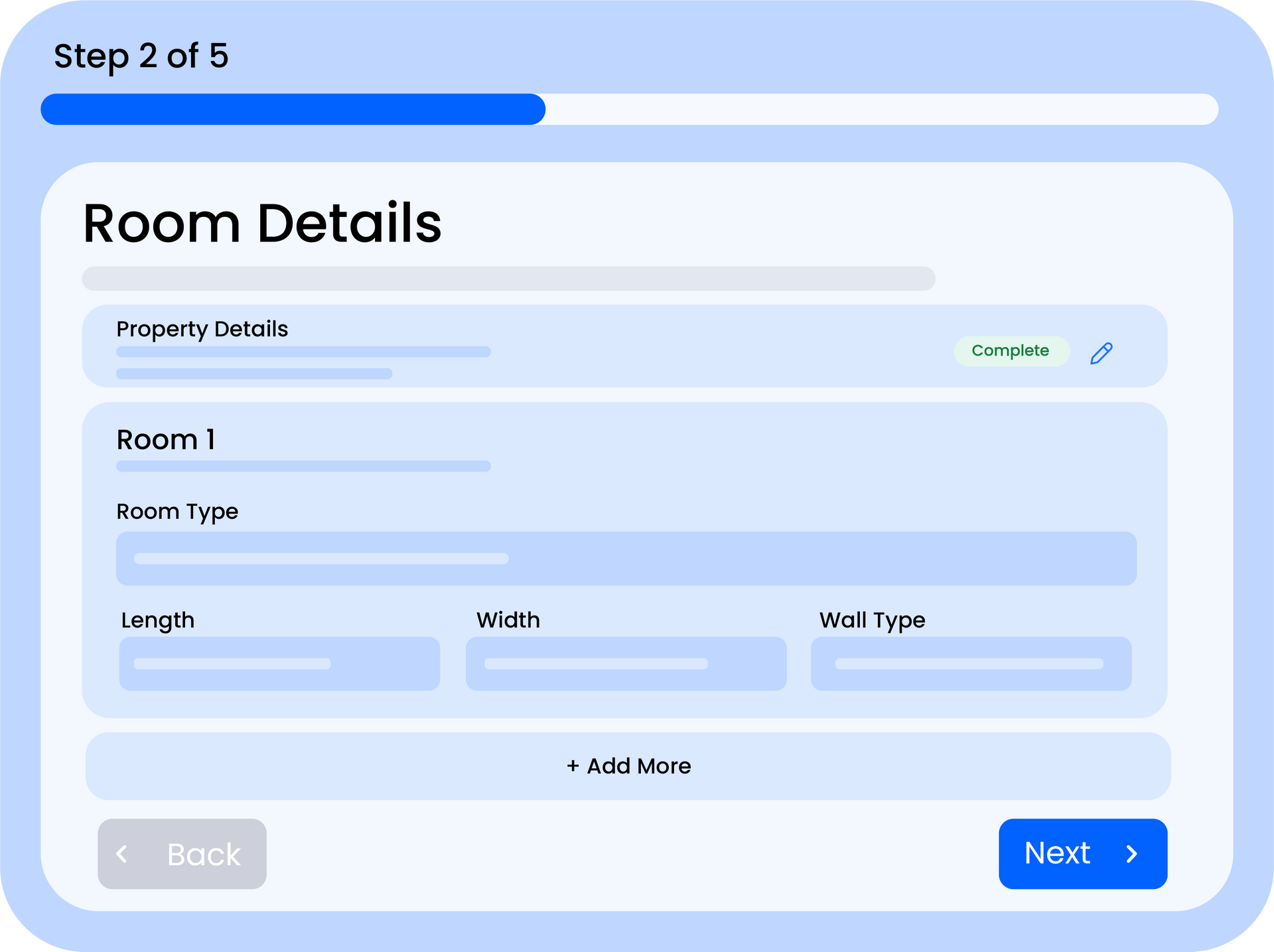
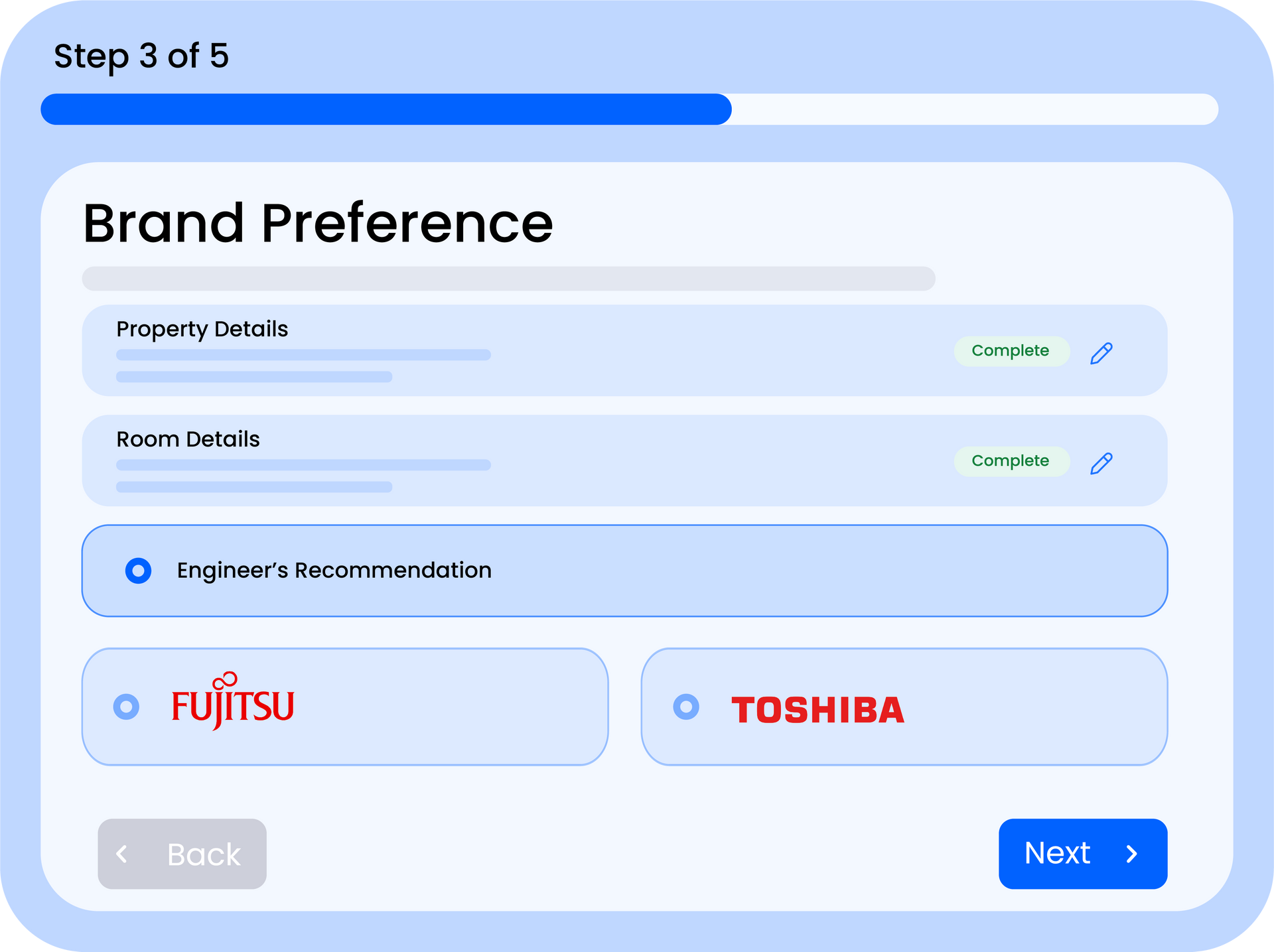
Quotestack is designed specifically to help HVAC businesses improve quote accuracy without adding admin. Customers input key information about their space, which creates a structured starting point before an engineer even gets involved. Instead of beginning with a blank page, installers receive a quote framework based on real data.


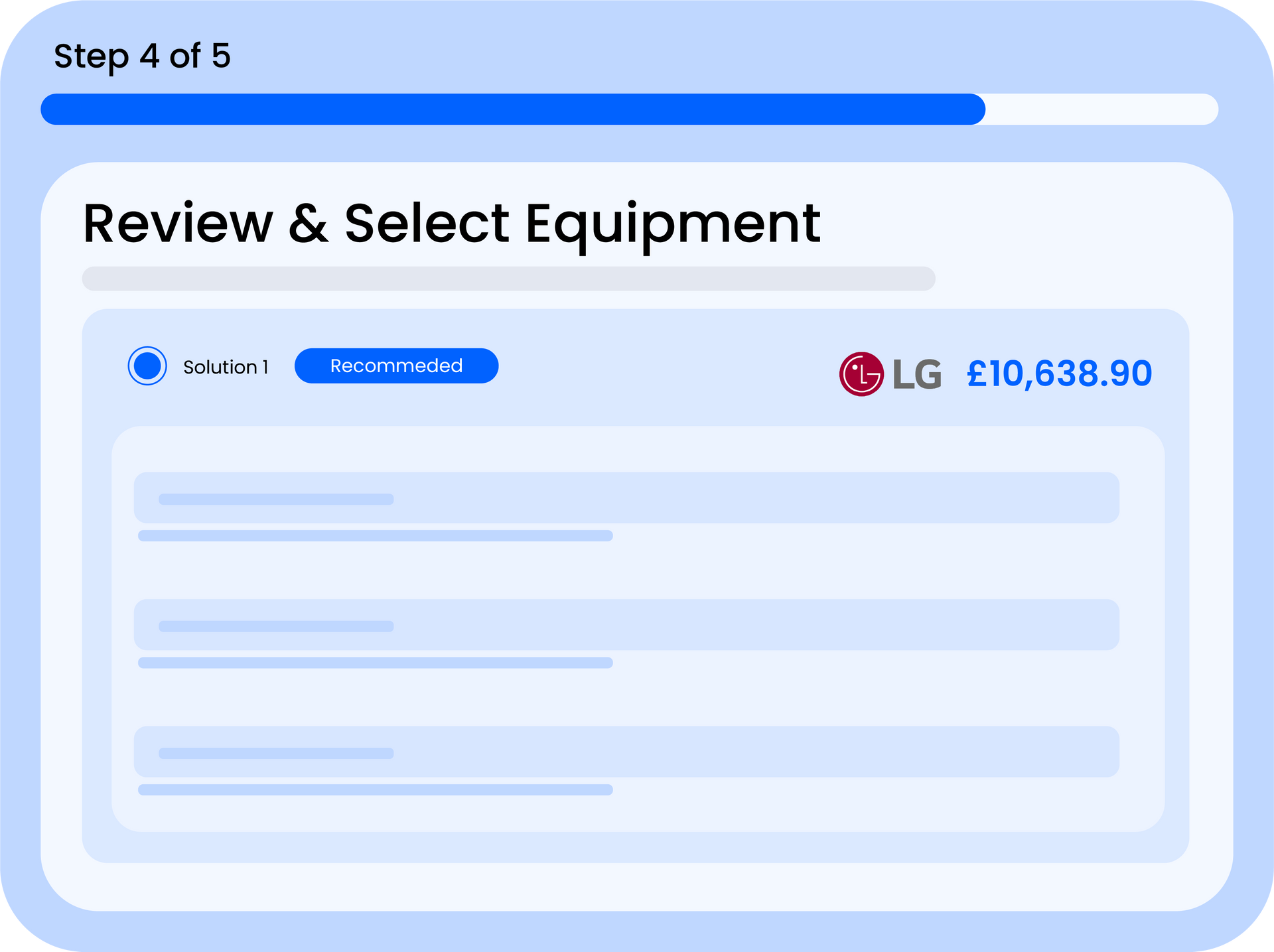
Because the system is fully customisable, businesses can set their own labour rates, preferred manufacturers, costs, and profit margins. This means every quote follows the same internal logic, even when installations differ. Accuracy improves not because flexibility is removed, but because pricing decisions are consistent and transparent.

Instant Quoting Software for HVAC Businesses

Save time, send quotes faster, and grow your HVAC business with confidence

Share this article

Fewer surprises, better outcomes

When quotes are accurate from the outset, everything downstream improves. Surveys are more focused. Installations run more smoothly. Customers feel confident that pricing is fair and considered. Internally, businesses gain clearer insight into which jobs perform well and which don’t.


Over time, this leads to better forecasting, more stable margins, and less time spent firefighting issues that stem from quoting errors.

Why accuracy is a competitive advantage in 2026

In a market where customers expect speed and clarity, accurate quoting is no longer just a back-office concern. It’s part of the sales experience. HVAC companies that can deliver reliable, professional quotes quickly stand out — not because they’re cheaper, but because they’re clearer.


Tools like Quotestack don’t replace installer expertise. They support it by ensuring that experience is applied consistently, efficiently, and profitably. In 2026, that combination is what separates growing HVAC businesses from those constantly playing catch-up.

Recent Posts

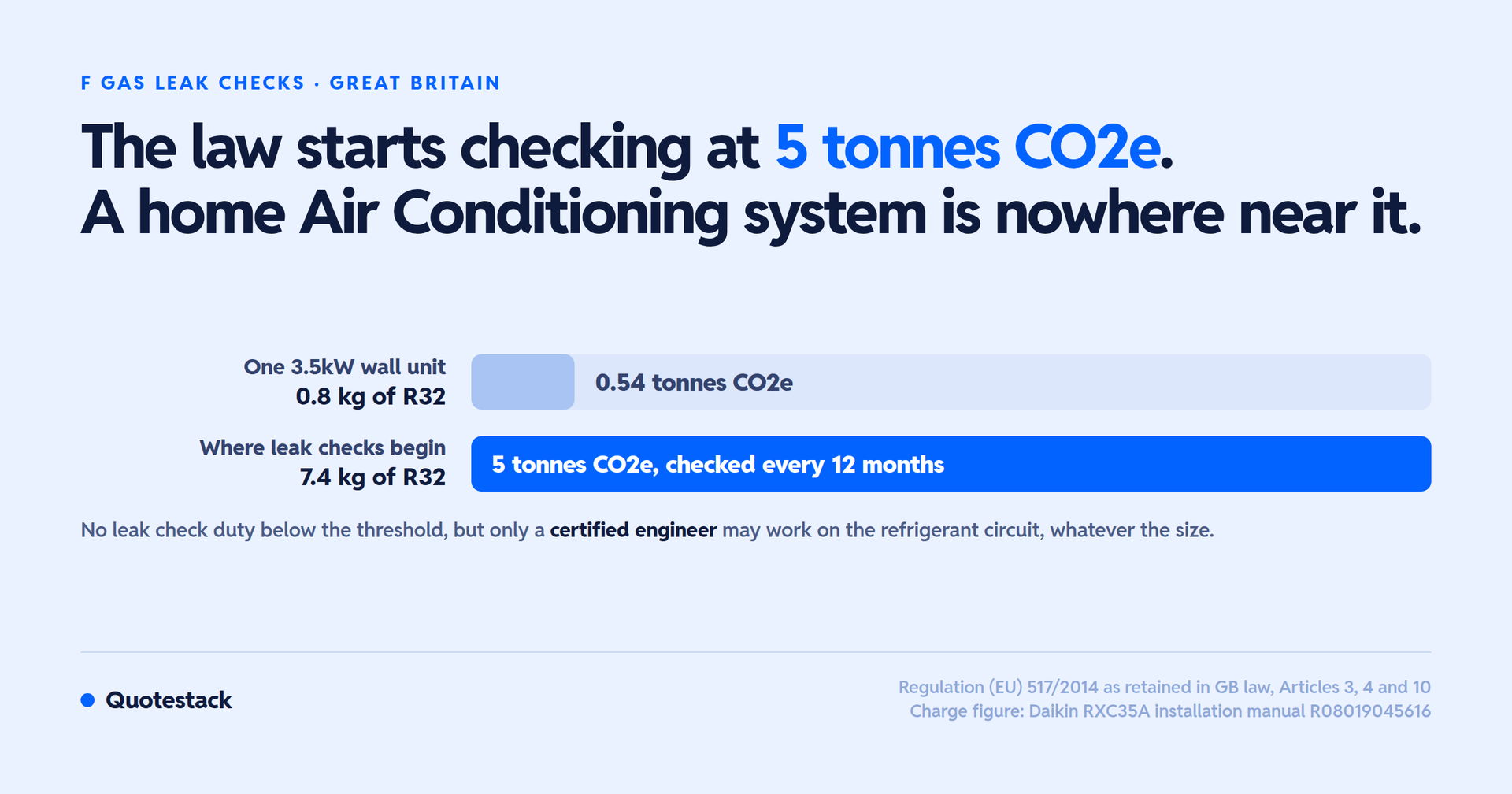
Two bars compared: one 3.5kW wall unit holds 0.54 tonnes CO2 equivalent of refrigerant, while leak c
By Francois Du Plessis • September 28, 2026
Most home Air Conditioning in Great Britain has no legal service requirement. The F Gas leak check duty starts at 5 tonnes CO2e, well above a home system.
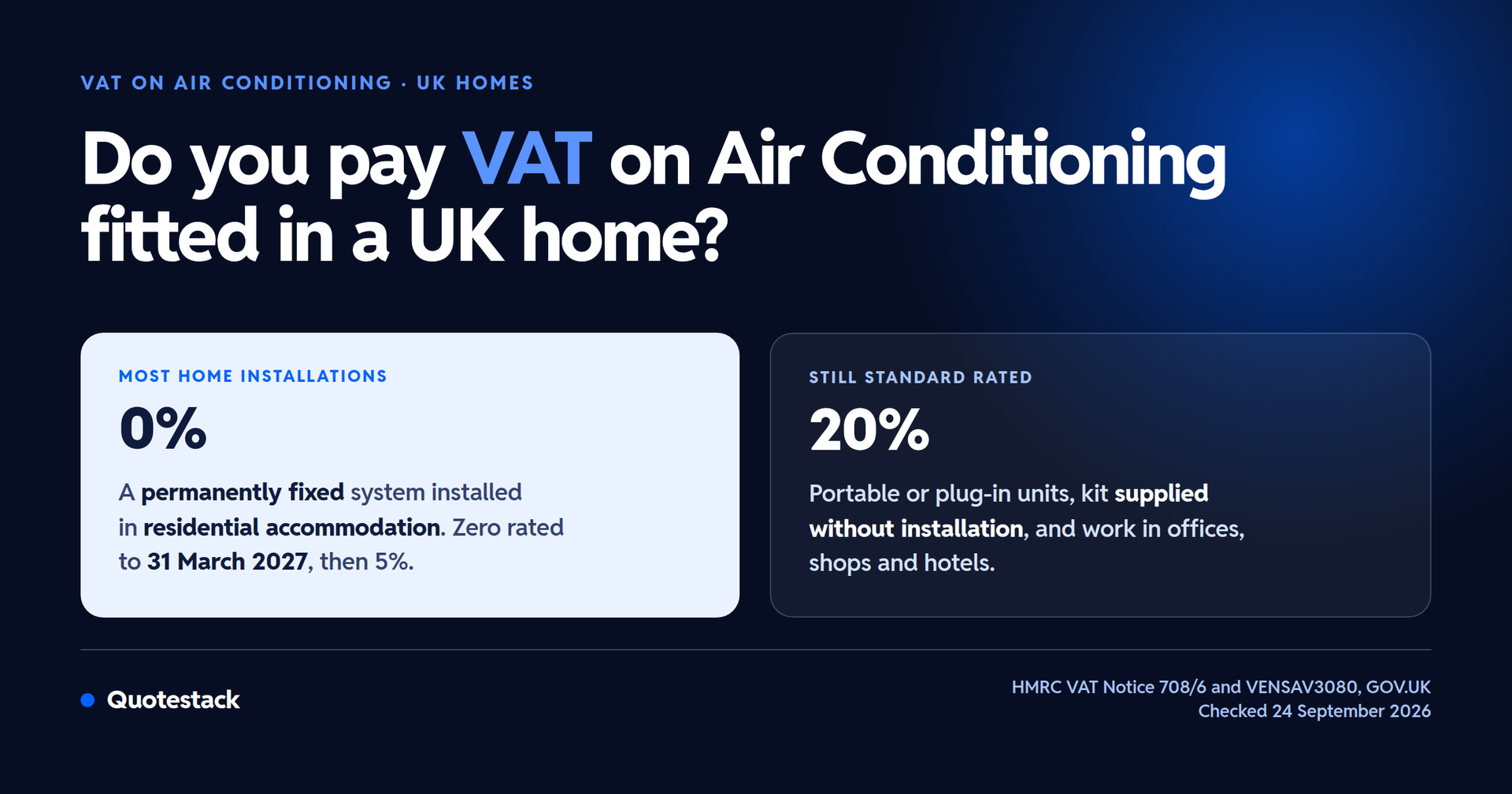
Two VAT outcomes compared for Air Conditioning in a UK home: a permanently fixed system in residenti
By Francois Du Plessis • September 25, 2026
Fixed Air Conditioning installed in a UK home is zero rated for VAT until 31 March 2027. Here is what qualifies, what still carries 20%, and what changes.
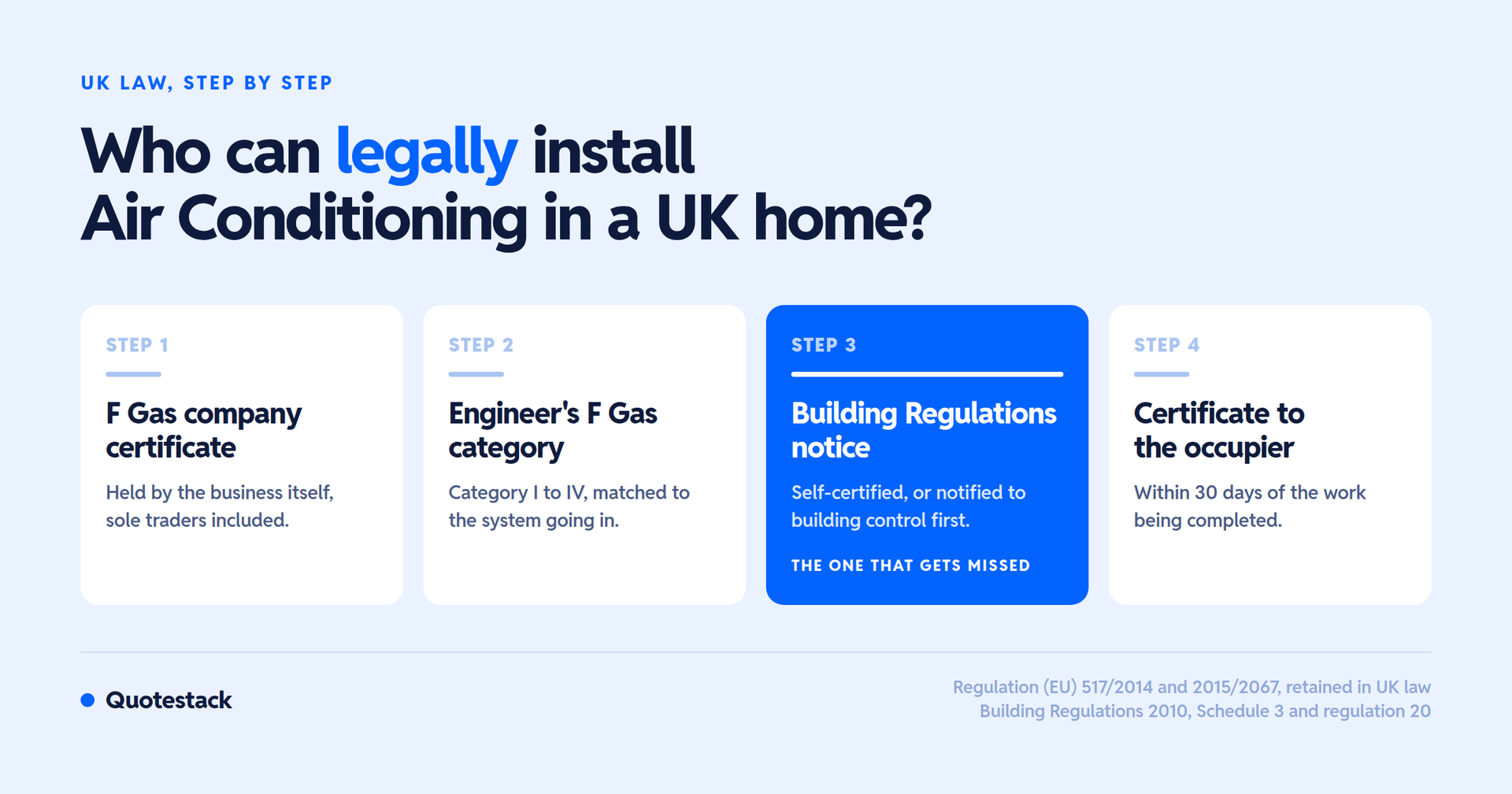
The four legal steps to install Air Conditioning in a UK home, from F Gas certificate to handover.
By Francois Du Plessis • September 21, 2026
The company needs an F Gas certificate, the engineer needs a category certificate, and in England and Wales the install is notified to building control.
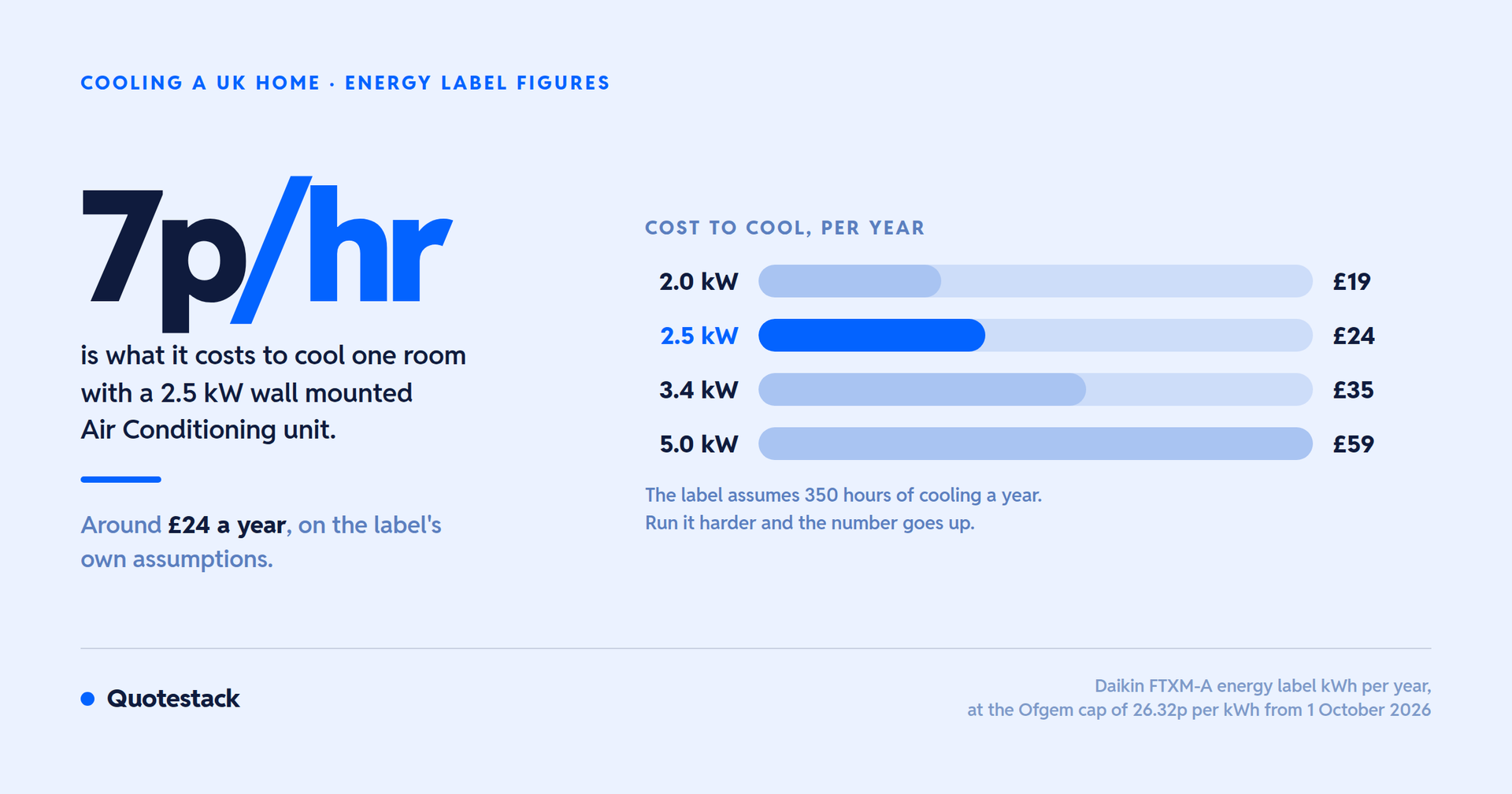
Cooling costs by Air Conditioning unit size: £19 a year for 2.0 kW up to £59 a year for 5.0 kW.
By Francois Du Plessis • September 21, 2026
A 2.5 kW wall unit costs around 7p an hour to cool, about £24 a year on its energy label. Here is where that figure comes from, and when yours is higher.
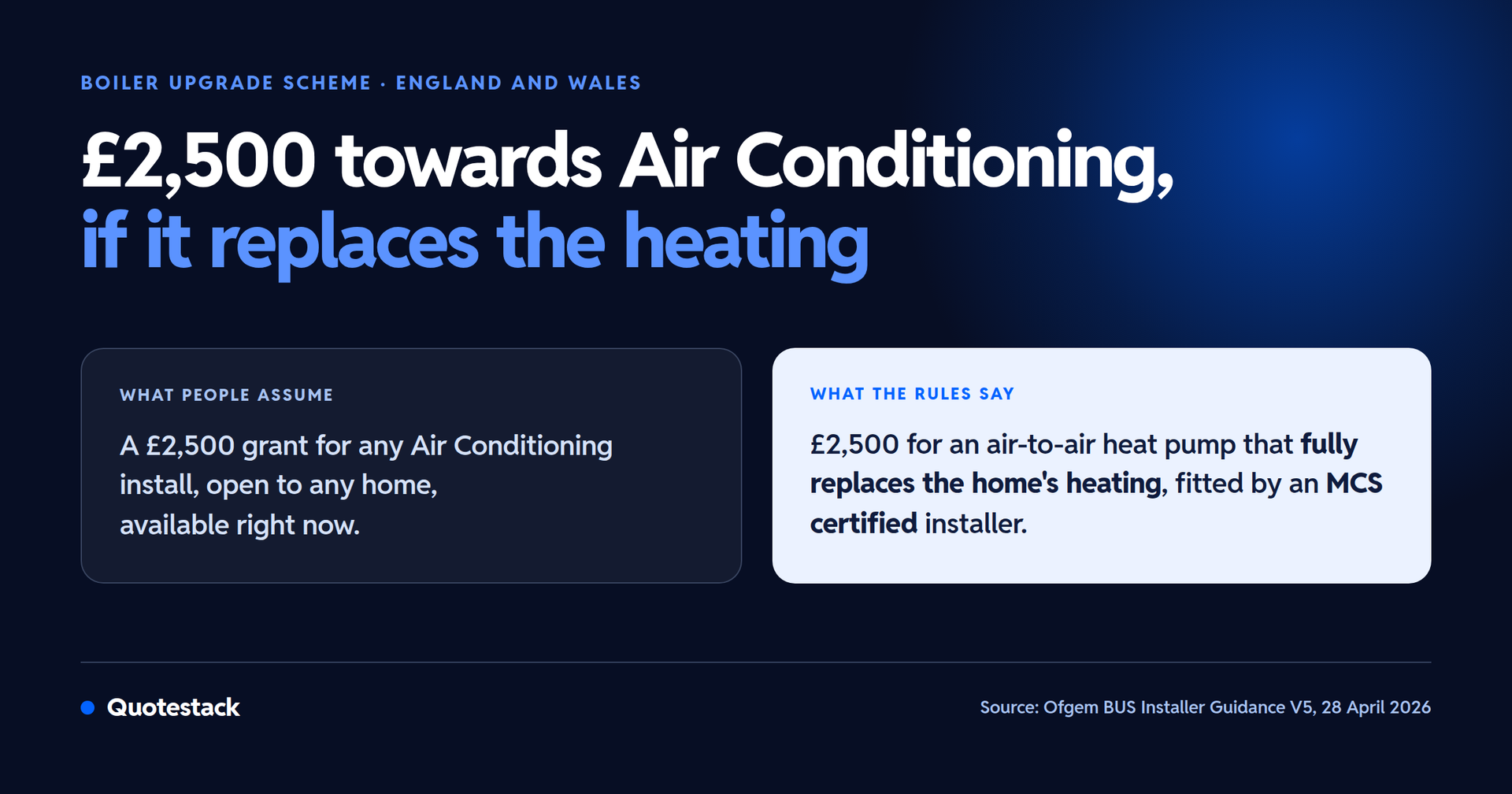
The £2,500 grant needs an air-to-air heat pump that replaces the heating, fitted MCS certified.
By Francois Du Plessis • September 14, 2026
Yes. The Boiler Upgrade Scheme pays £2,500 towards an air-to-air heat pump in England and Wales, but only if it fully replaces the home's existing heating.
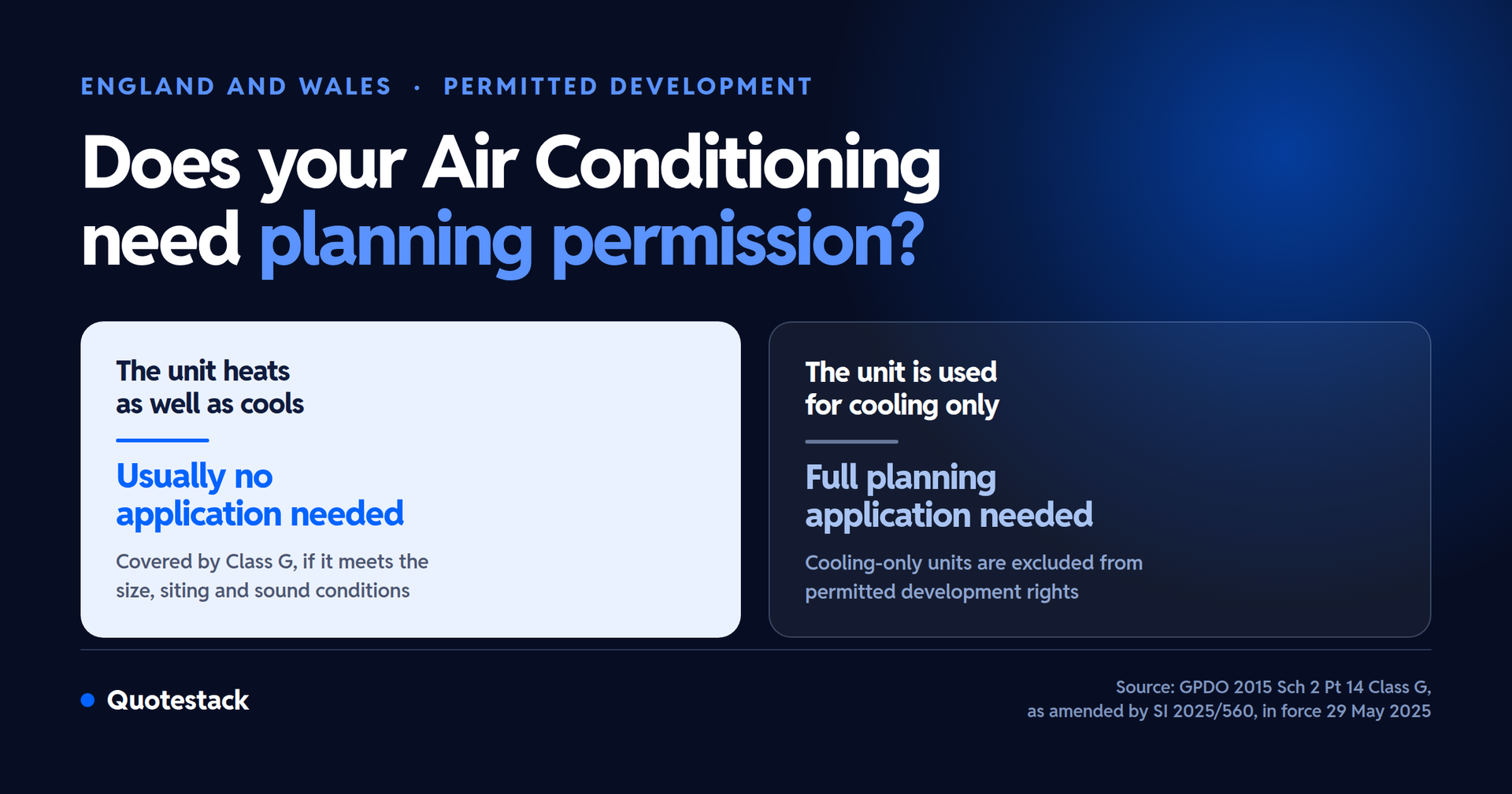
Air Conditioning that also heats usually needs no planning permission, cooling-only units do.
By Francois Du Plessis • September 11, 2026
In England and Wales, Air Conditioning that also heats can usually go in under permitted development. Cooling-only units still need a planning application.

May 29, 2026
Consistency and structure are what separate activity from long-term growth

May 25, 2026
Improving results doesn’t always require more demand

May 22, 2026
A growing sector is creating new opportunities across the workforce

May 15, 2026
Demand is building steadily, not just seasonally