




Why Customers Will Expect Instant HVAC Quotes by 2026
By 2026, the idea of waiting days for a quote feels outdated
That shift hasn’t happened overnight, and it’s not unique to HVAC. It’s the result of years of changing consumer behaviour, driven by speed, convenience, and instant access to information across almost every part of daily life.
Air conditioning and HVAC are no exception. While the work itself remains technical and site-specific, customer expectations around quoting have moved on — and they’re not moving back.
Instant pricing has become normal elsewhere
Consumers now live in a world of instant answers.
Insurance quotes, finance offers, utility comparisons, home improvement estimates — all of these are available quickly, often in real time. Even when final prices depend on further checks, customers are used to receiving clear, immediate indications.
That behaviour shapes expectations long before an HVAC installer enters the picture. By the time a customer requests a quote, they already expect speed — not because they underestimate the work involved, but because every other service they use responds that way.
Faster responses feel more professional in 2026
Speed is no longer just about convenience. It’s about credibility.
A quick, well-presented quote signals that a business is organised, confident, and in control of its processes. It reassures customers that the installer understands the job and can manage it efficiently.
A slow response, even when technically justified, can raise questions. Customers may start to wonder whether delays reflect workload issues, lack of structure, or simply being forgotten.
In a competitive market, those perceptions matter — and they form long before work begins.
Technology has reshaped patience, not standards
There’s a common misconception that customers expect instant quotes because they’re impatient.
In reality, they expect speed because technology has shown them it’s possible. They’re comfortable sharing information digitally, answering structured questions, and receiving rapid responses — as long as the process feels logical and professional.
This doesn’t mean customers expect complex HVAC work to be priced blindly. They still understand the need for surveys, technical input, and proper design. What they expect is momentum — once information is provided, progress should follow quickly.
Faster quoting influences decision-making more than price
In many cases, the first quote a customer receives becomes the anchor.
It shapes their understanding of cost, scope, and what a “normal” installation looks like. Subsequent quotes are judged against it, often subconsciously.
Even when later quotes are lower, they can feel reactive rather than proactive. The installer who responds first often controls the narrative — not by rushing, but by being present at the right moment.
That advantage becomes more pronounced as customers compare more options in less time.
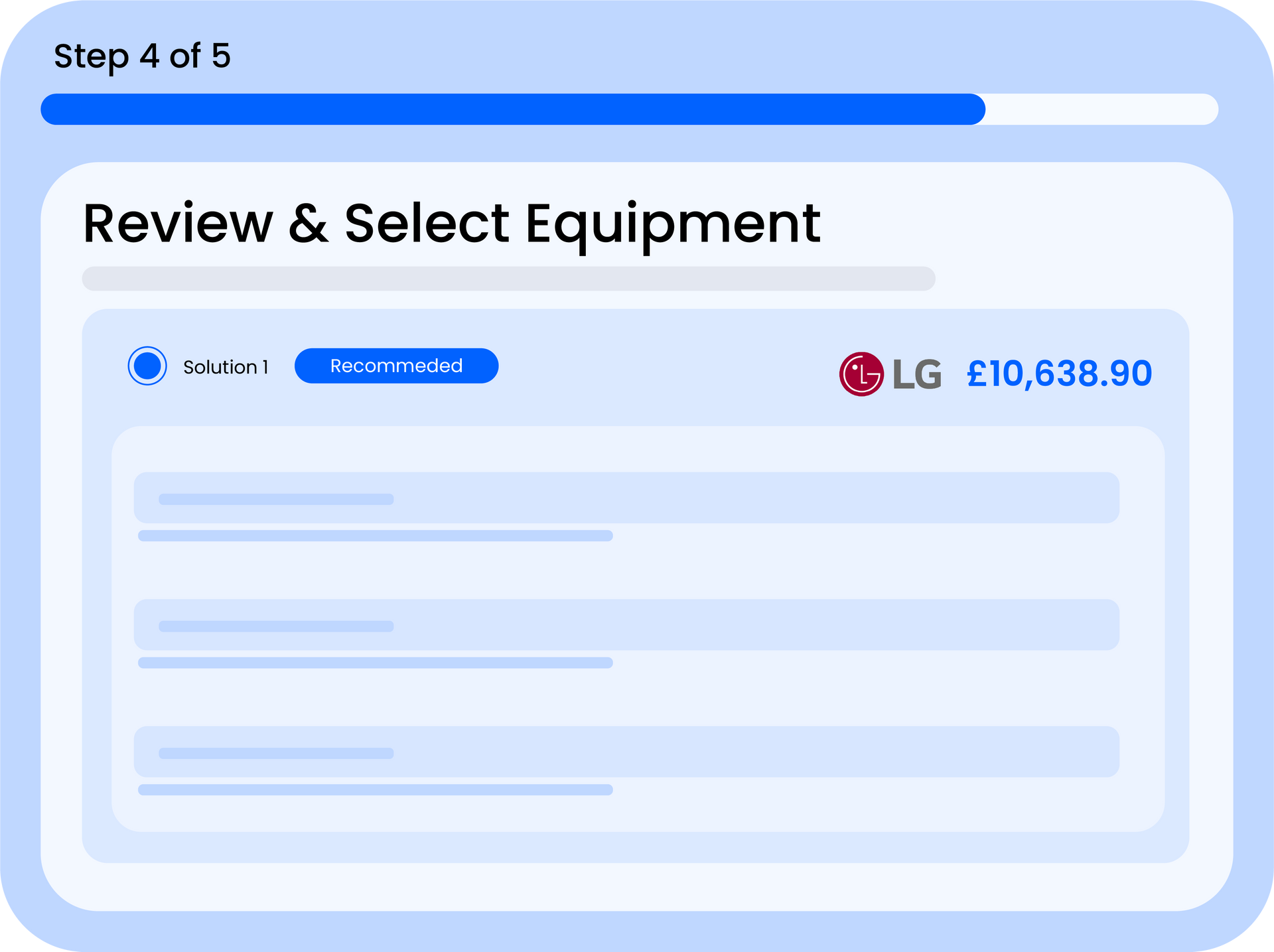
Instant Quoting Software for HVAC Businesses
Save time, send quotes faster, and grow your HVAC business with confidence

Expectations will only increase from here
Looking beyond 2026, there’s little indication that customer expectations around speed will soften.
As air conditioning becomes more common and more installers enter the market, differentiation will come less from equipment and more from experience. Responsiveness, clarity, and ease of interaction will increasingly decide who wins work.
Businesses that can respond quickly, consistently, and professionally will be better positioned to meet those expectations. Those that rely on slower, manual processes will feel the gap widen year by year.
Final thoughts
Instant quoting isn’t about cutting corners or removing expertise from HVAC work.
It’s about recognising how customers now behave — and adapting to meet them where they are.
In 2026, customers expect fast responses, clear communication, and visible progress. Installers who can deliver that experience from the first interaction are more likely to win trust, secure work, and build stronger relationships.
Speed doesn’t replace skill. But it increasingly determines who gets the opportunity to use it.