


How to Reduce HVAC Call-Backs Before the Job Even Starts
How to Reduce Call-Backs Before the Job Even Start
Call-backs are one of those things every HVAC business accepts as “part of the job”. A pipe run takes longer than expected, access isn’t what anyone assumed, power needs upgrading, or the customer thought something was included when it wasn’t. One or two might not feel like a big deal — but over time, they quietly eat into margins, time, and morale.
What’s often overlooked is that many call-backs don’t start on site. They start much earlier, during the quoting and pre-installation stages.
Why call-backs are rarely just technical issues
It’s easy to blame call-backs on site surprises, but in reality, many of them come down to misaligned expectations. The installer thought one thing, the customer assumed another, and the quote didn’t fully bridge the gap.
Missing details, vague descriptions, or assumptions left unstated can all lead to friction later. When everyone is busy, it’s tempting to keep quotes short and move quickly — but that speed can come at a cost once the job is underway.
The role of clarity in preventing problems later
Clear quoting doesn’t mean overloading customers with technical detail. It means being specific about what’s included, what isn’t, and what the quote is based on. When assumptions are spelled out early, there’s far less room for misunderstanding later.
This clarity helps installers just as much as customers. Engineers arrive on site knowing exactly what’s been allowed for, rather than discovering gaps mid-install and having to make judgement calls under pressure.
Why incomplete information causes repeat visits
Another common cause of call-backs is missing or inaccurate information at the start. If room sizes, usage patterns, or access constraints aren’t captured properly, the initial design and pricing can be slightly off — which often means adjustments later.
In many businesses, this happens because information is gathered informally, through quick phone calls or email exchanges. Important details get missed, especially during busy periods.
How better data upfront reduces issues downstream
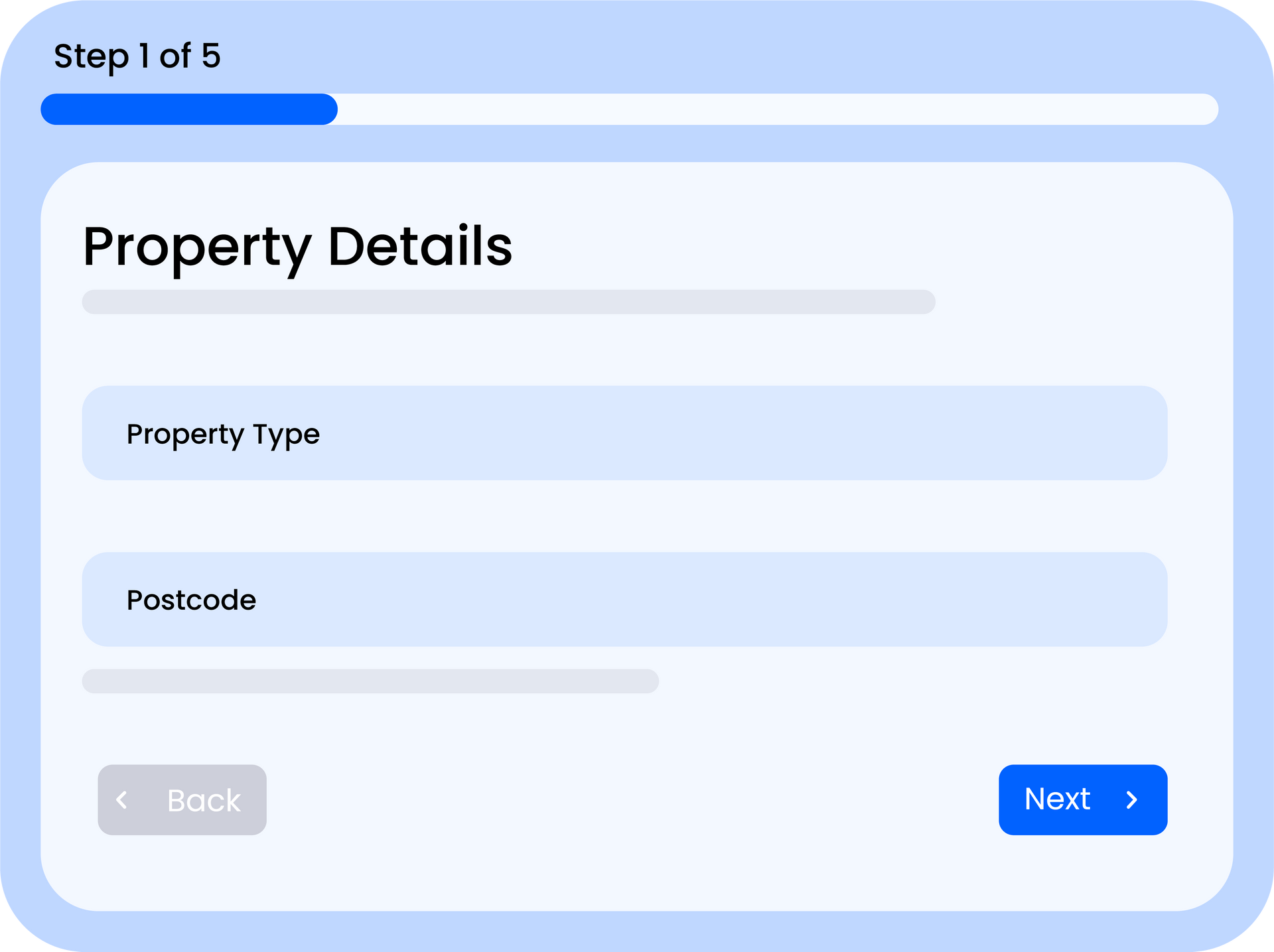
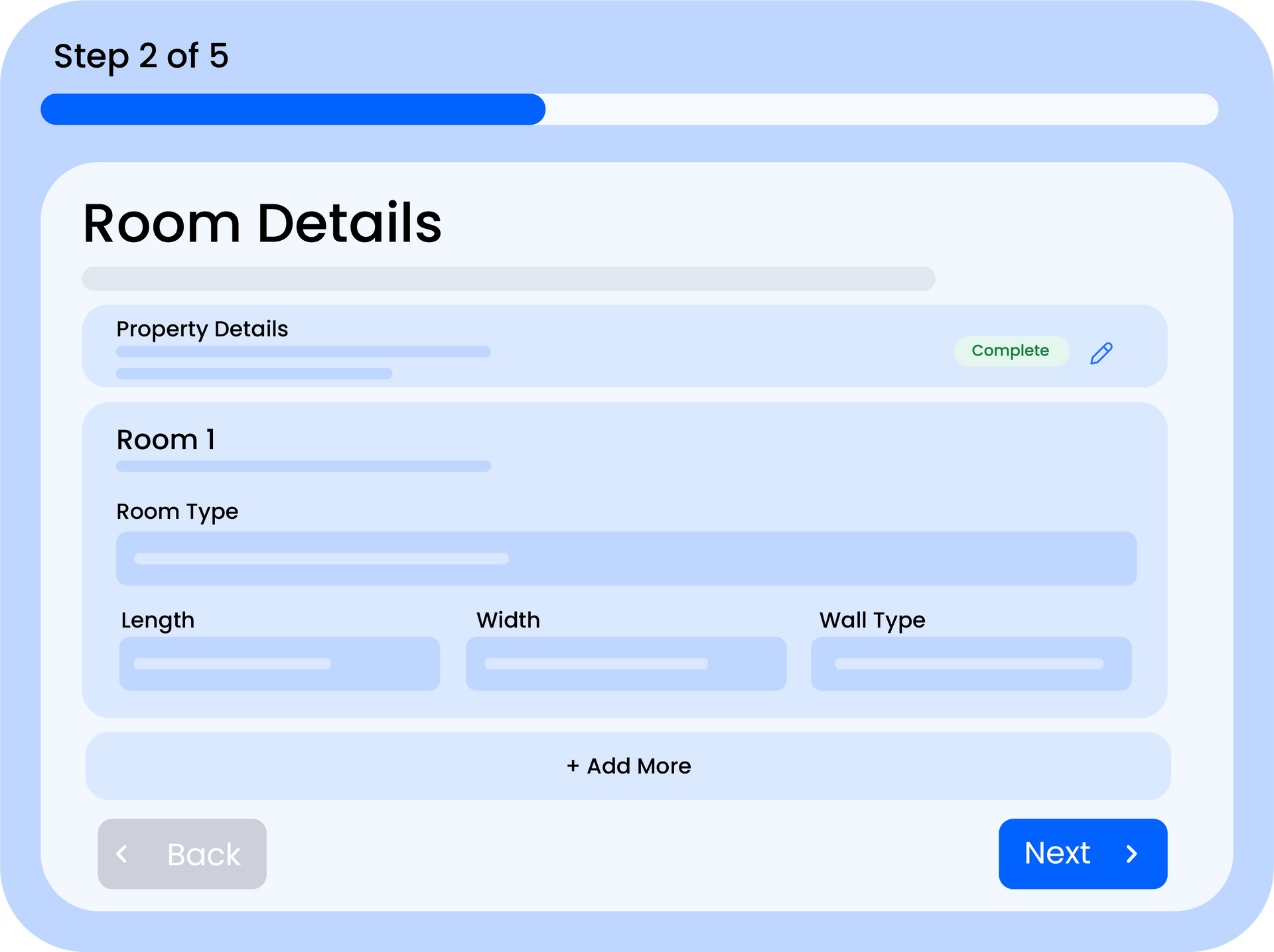
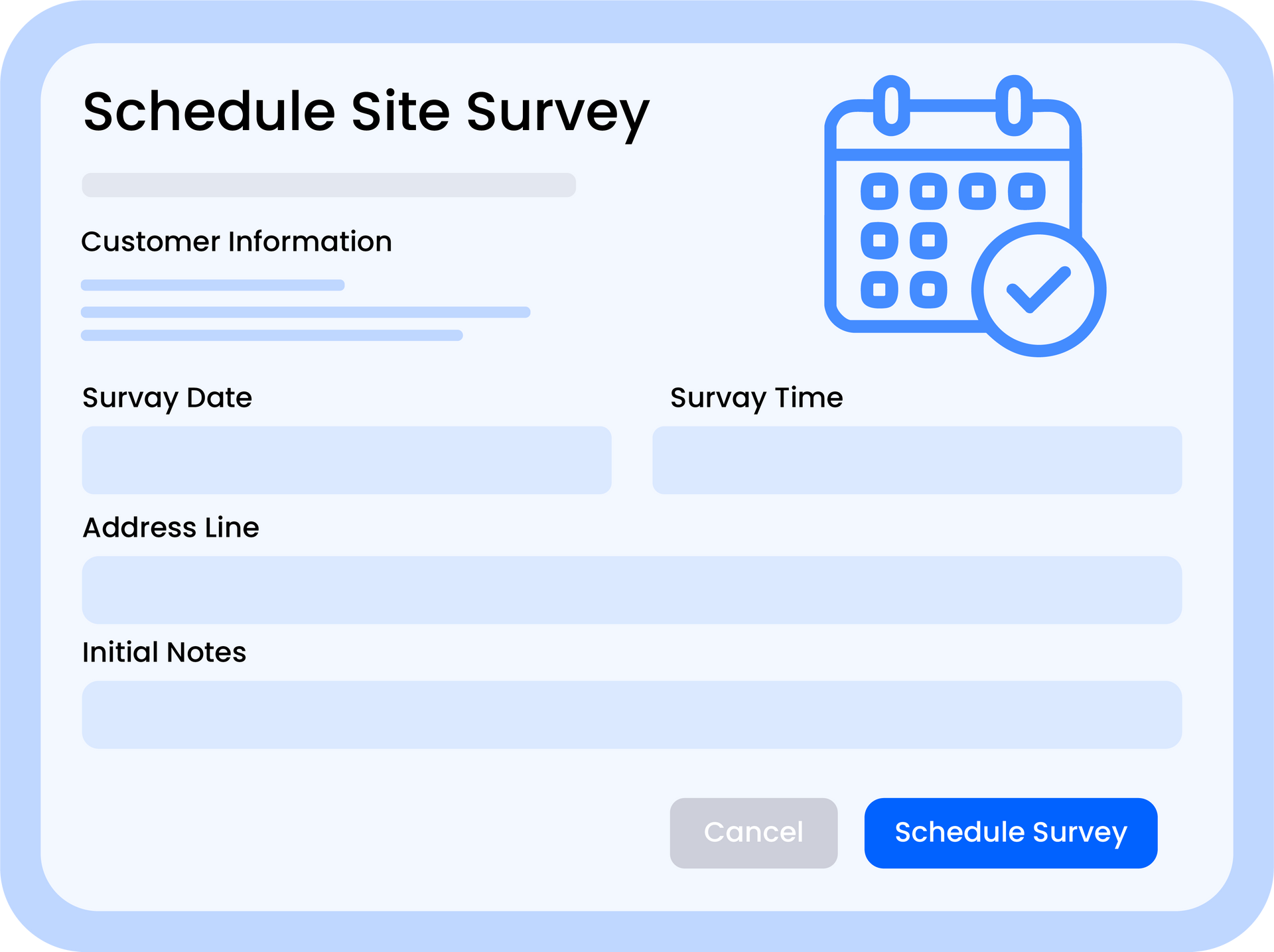
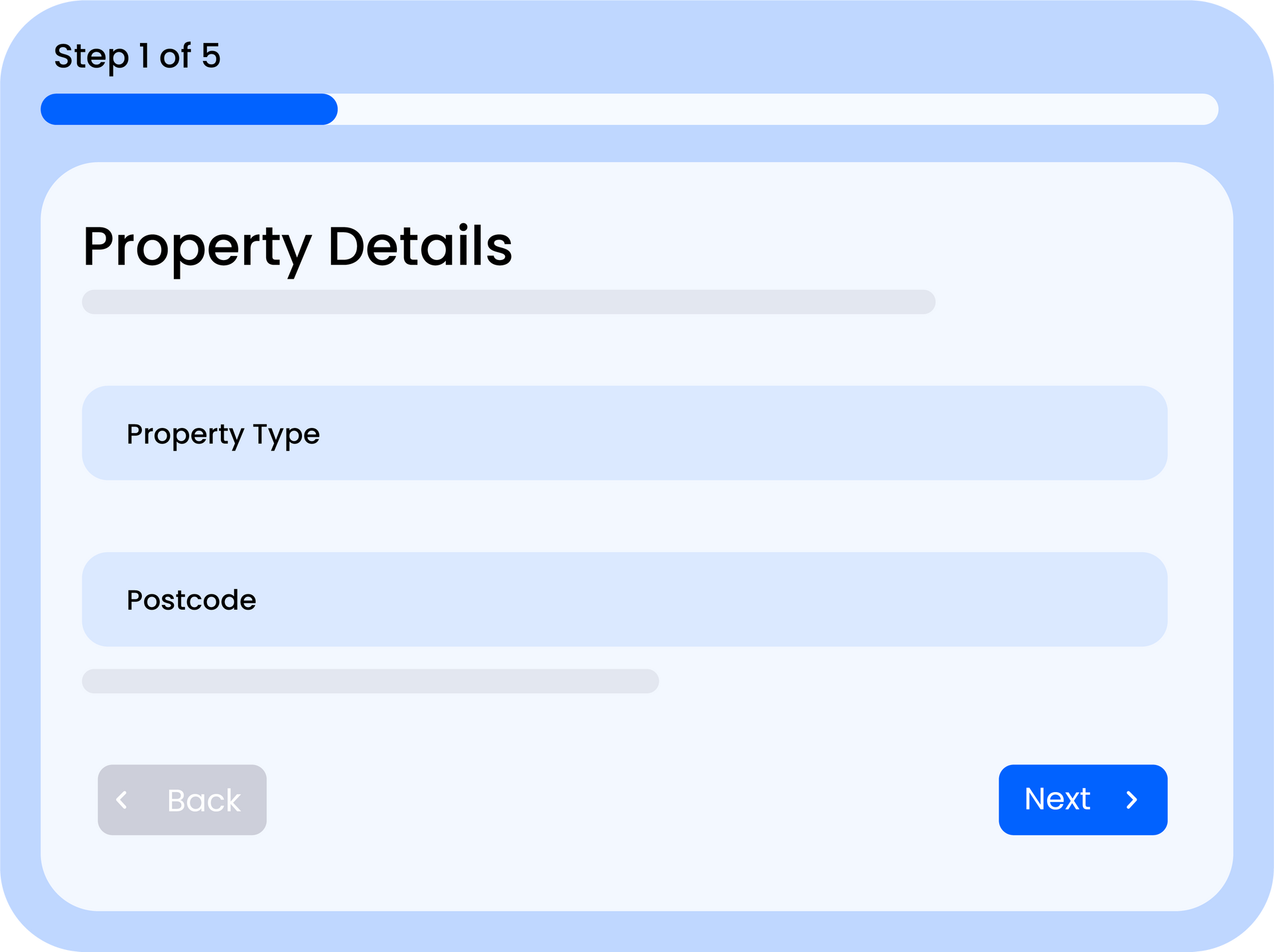
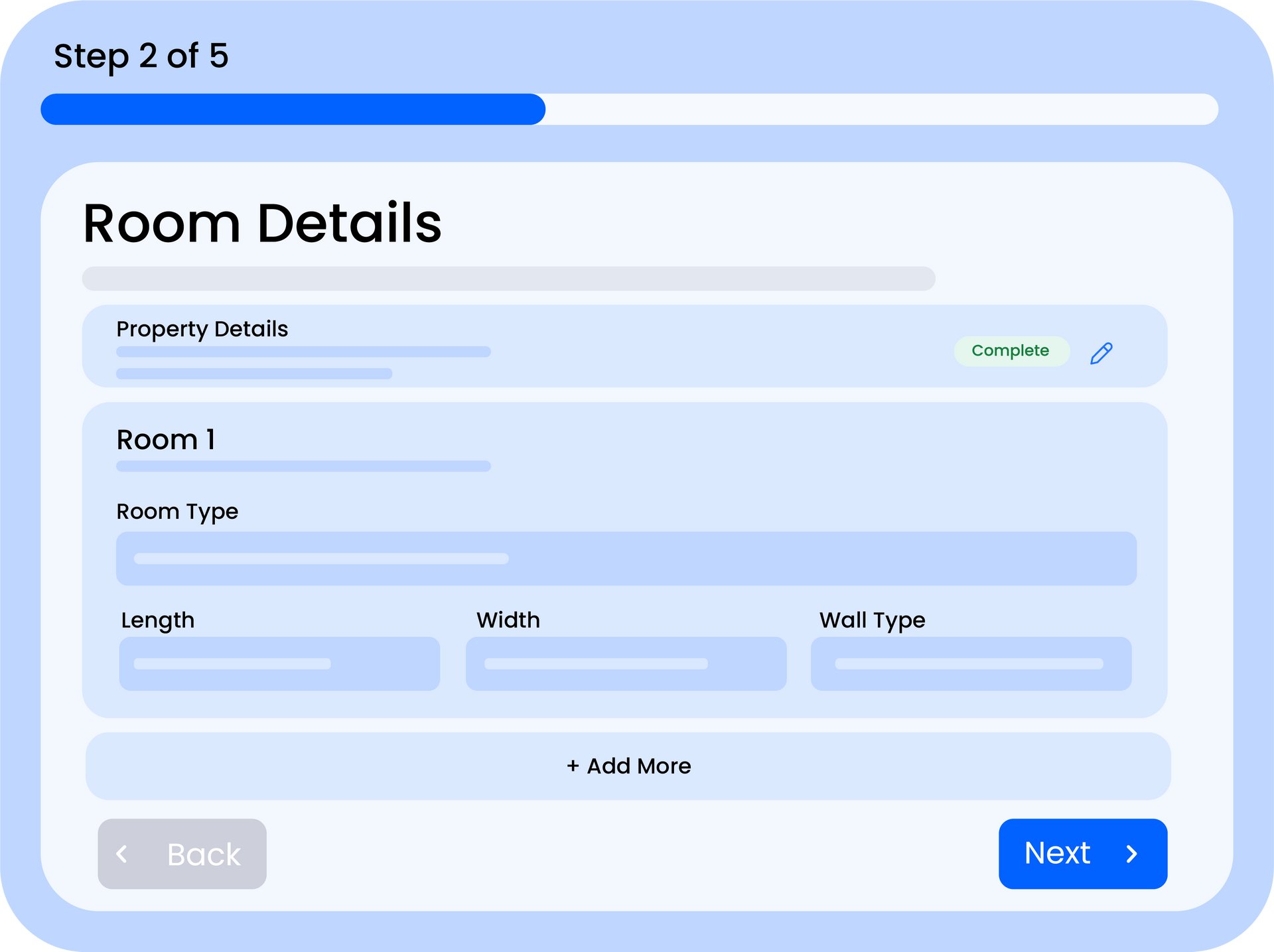
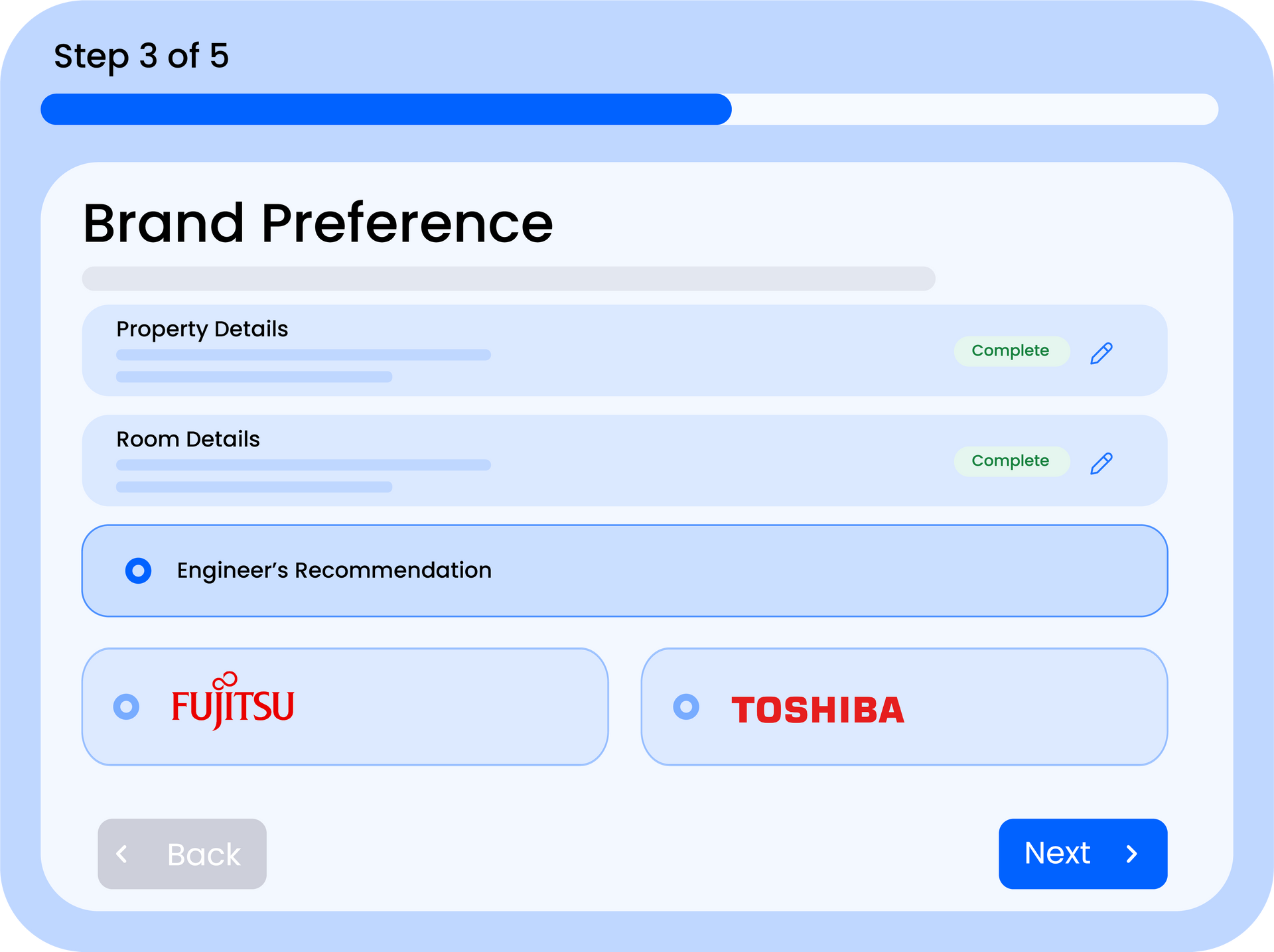
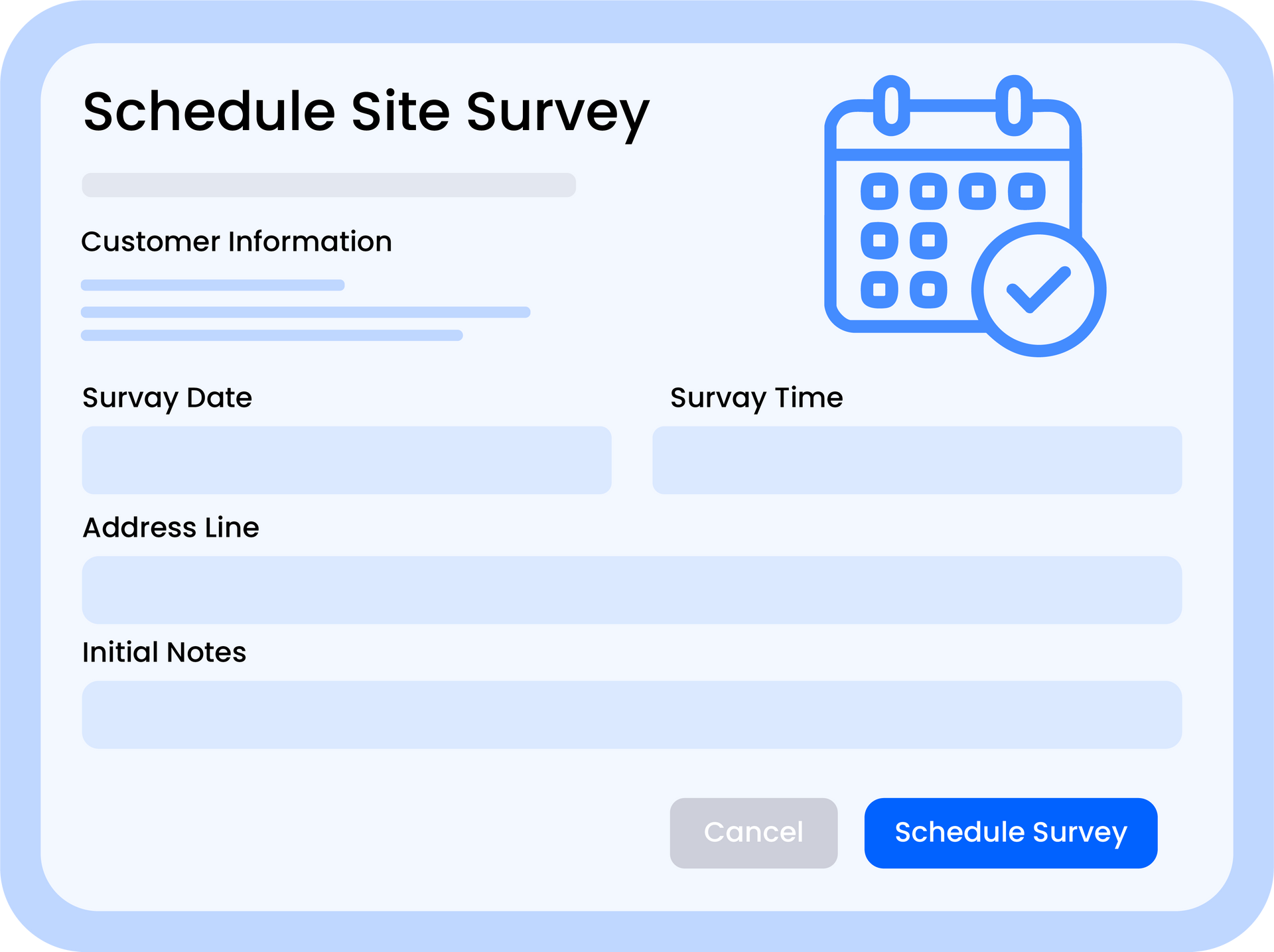
Reducing call-backs is largely about improving what happens before the survey or install. When customer information is captured in a structured way, installers can spot potential issues earlier and address them before they become problems.
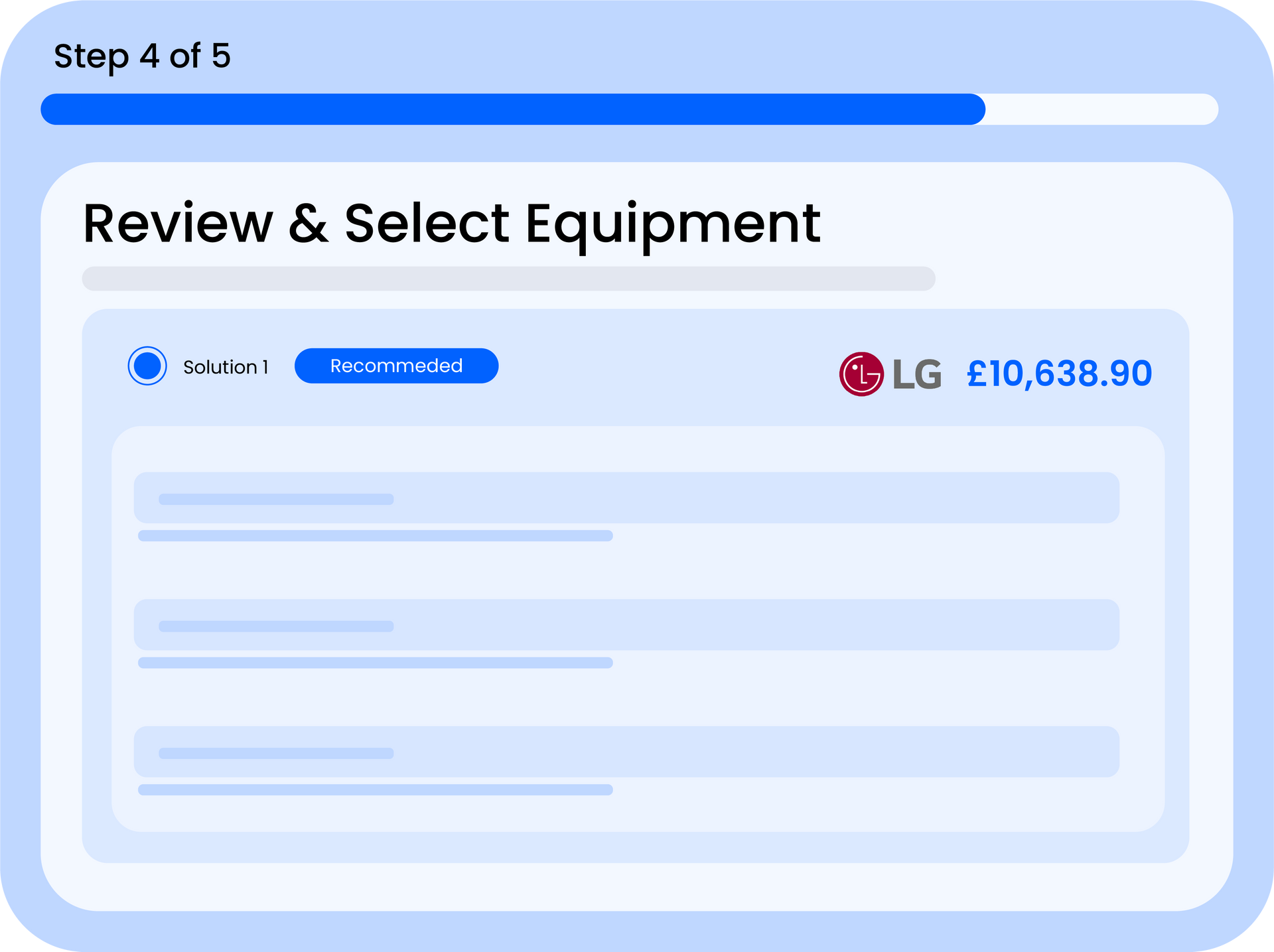
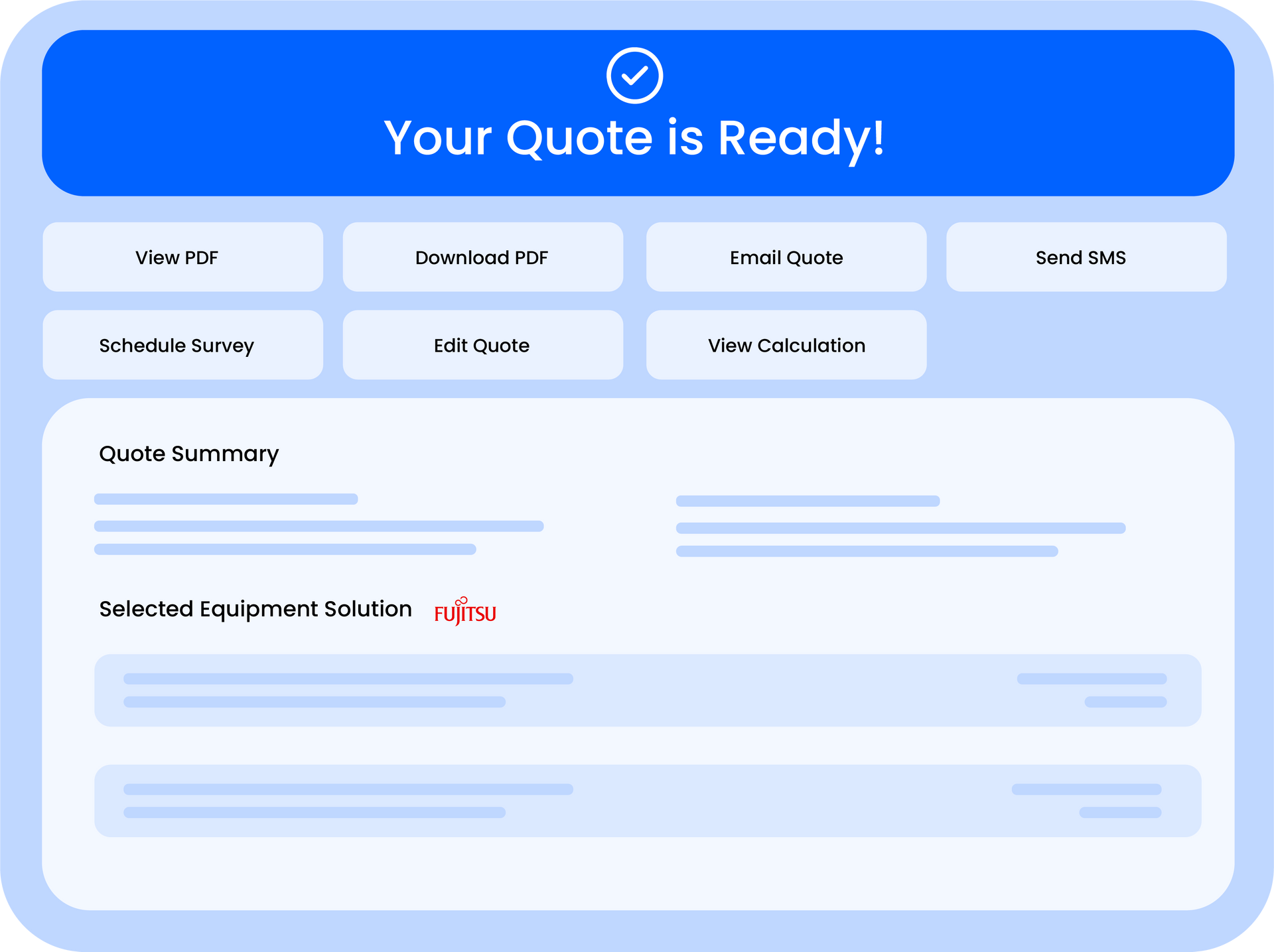
This is where quoting systems like Quotestack can play a supporting role. By collecting key details upfront and building quotes around consistent data inputs, businesses reduce reliance on assumptions. Engineers go into surveys better prepared, and quotes more accurately reflect the real scope of work.
The result isn’t fewer site visits — it’s fewer unexpected ones.
Instant Quoting Software for HVAC Businesses
Save time, send quotes faster, and grow your HVAC business with confidence
Setting expectations without slowing the process
There’s a misconception that adding clarity and structure slows quoting down. In reality, it often does the opposite. When information is gathered consistently and quotes follow a clear framework, less time is spent revisiting decisions later.
Customers are also less likely to push back when changes are needed, because the original quote made the boundaries clear. That trust pays off when adjustments are genuinely unavoidable.
Why this matters more in 2026
As workloads increase and customers expect faster turnaround, HVAC businesses can’t afford inefficiencies that lead to rework. Reducing call-backs isn’t just about saving fuel or labour hours — it’s about protecting margins and keeping schedules intact.
The most efficient companies aren’t the ones with fewer jobs; they’re the ones where jobs run as planned. And more often than not, that starts with better quoting, clearer communication, and stronger foundations before the first tool comes out of the van.