



How Air Conditioning Businesses Can Protect Profit Margins in 2026

February 10, 2026

The Challenges

Protecting profit margins has never been simple in HVAC — but in 2026, it’s become more complex than ever.


Rising material costs, increased competition, tighter customer expectations, and faster decision-making cycles all put pressure on margins in ways that aren’t always obvious at first glance. Many air conditioning businesses are still busy, still winning work, yet finding that profitability doesn’t feel as strong as it should.


The challenge isn’t usually one big issue. It’s a collection of small, compounding pressures — many of which begin long before installation day.

Margin pressure often starts at the quoting stage

For most air conditioning businesses, margins are effectively set when the quote is sent.


Labour assumptions, system selection, access considerations, and contingency allowances are all decided early. When quotes are rushed, inconsistent, or built manually under pressure, small omissions are common — and those omissions are rarely recovered later.


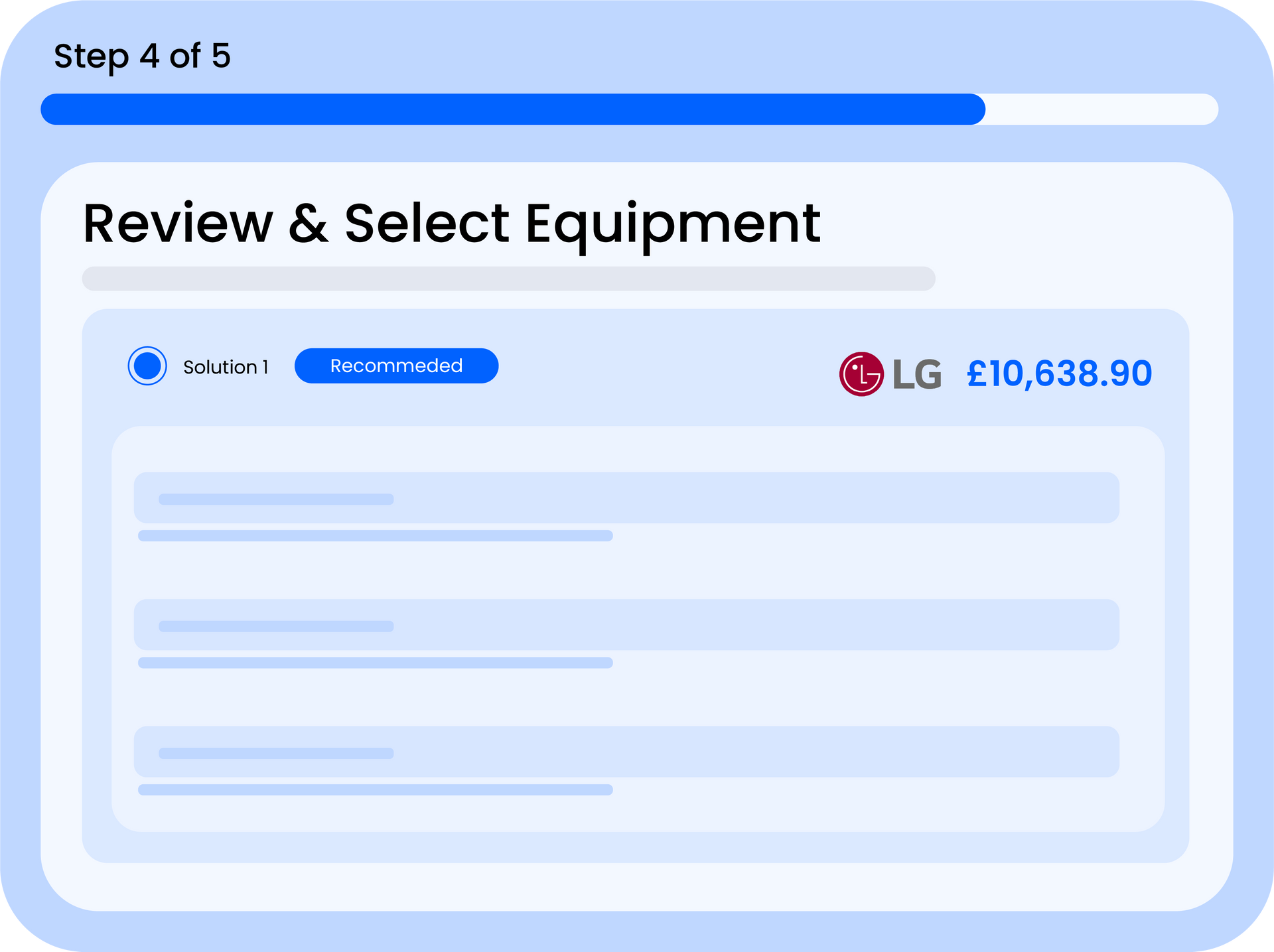
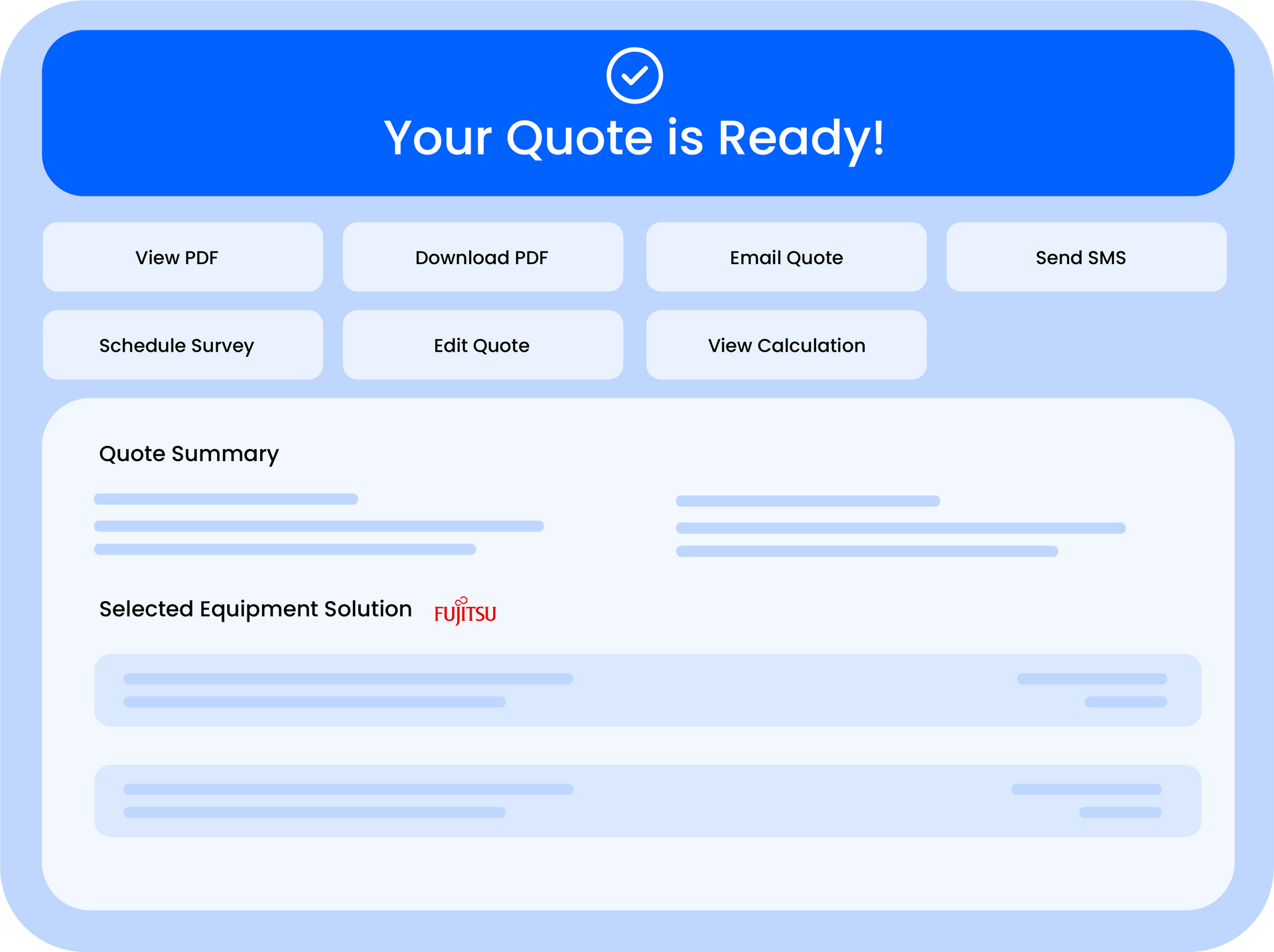
In 2026, businesses that protect margins best are those that treat quoting as a controlled process, not a reactive task squeezed in between jobs. This is where structured quoting tools like Quotestack become increasingly valuable, helping installers apply consistent pricing logic and margin rules across every quote, even when enquiry volumes are high.

Speed can quietly erode profitability

Fast quoting wins jobs — but unmanaged speed can also damage margins.


When quotes are produced quickly without structure, installers often default to conservative pricing, missed items, or simplified assumptions just to get the quote out. Over time, that behaviour compounds into tighter margins across the business.


The goal isn’t just faster quotes — it’s controlled speed. Systems that automate calculations while still reflecting real labour, equipment, and margin requirements allow businesses to respond quickly without sacrificing accuracy.

Inconsistency is one of the biggest margin killers

Two similar jobs priced differently rarely raise alarms in isolation.


But over months and years, inconsistent pricing creates unpredictable profitability. Some jobs overperform, others quietly underperform, and it becomes difficult to understand why margins feel unstable.

Successful HVAC businesses in 2026 focus on consistency — not identical pricing, but consistent structure.


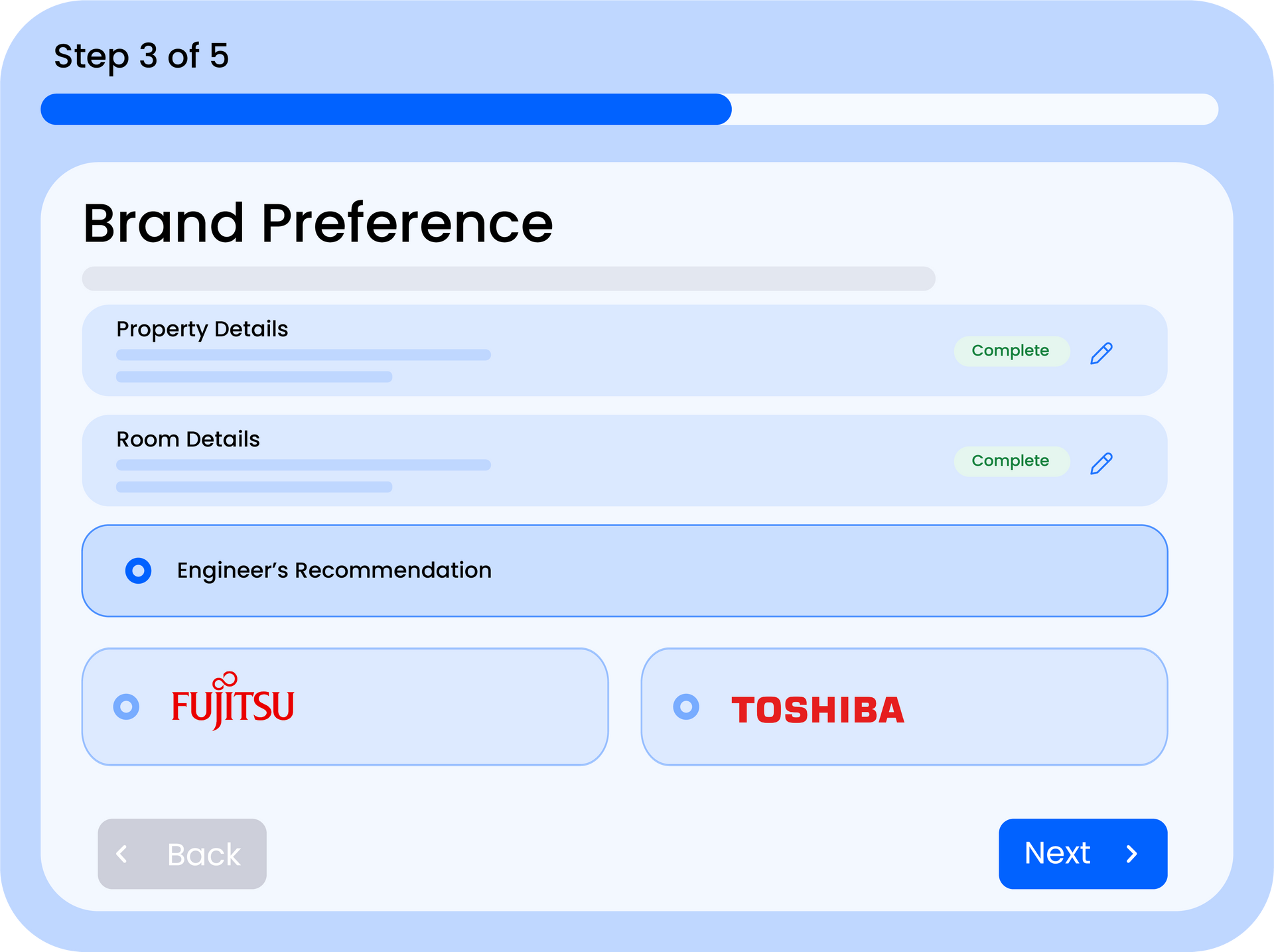
Quotestack supports this by allowing businesses to standardise how quotes are built while still customising costs, preferred manufacturers, and profit margins to suit their model.

Poor information leads to expensive assumptions

Margins suffer when decisions are based on incomplete information.


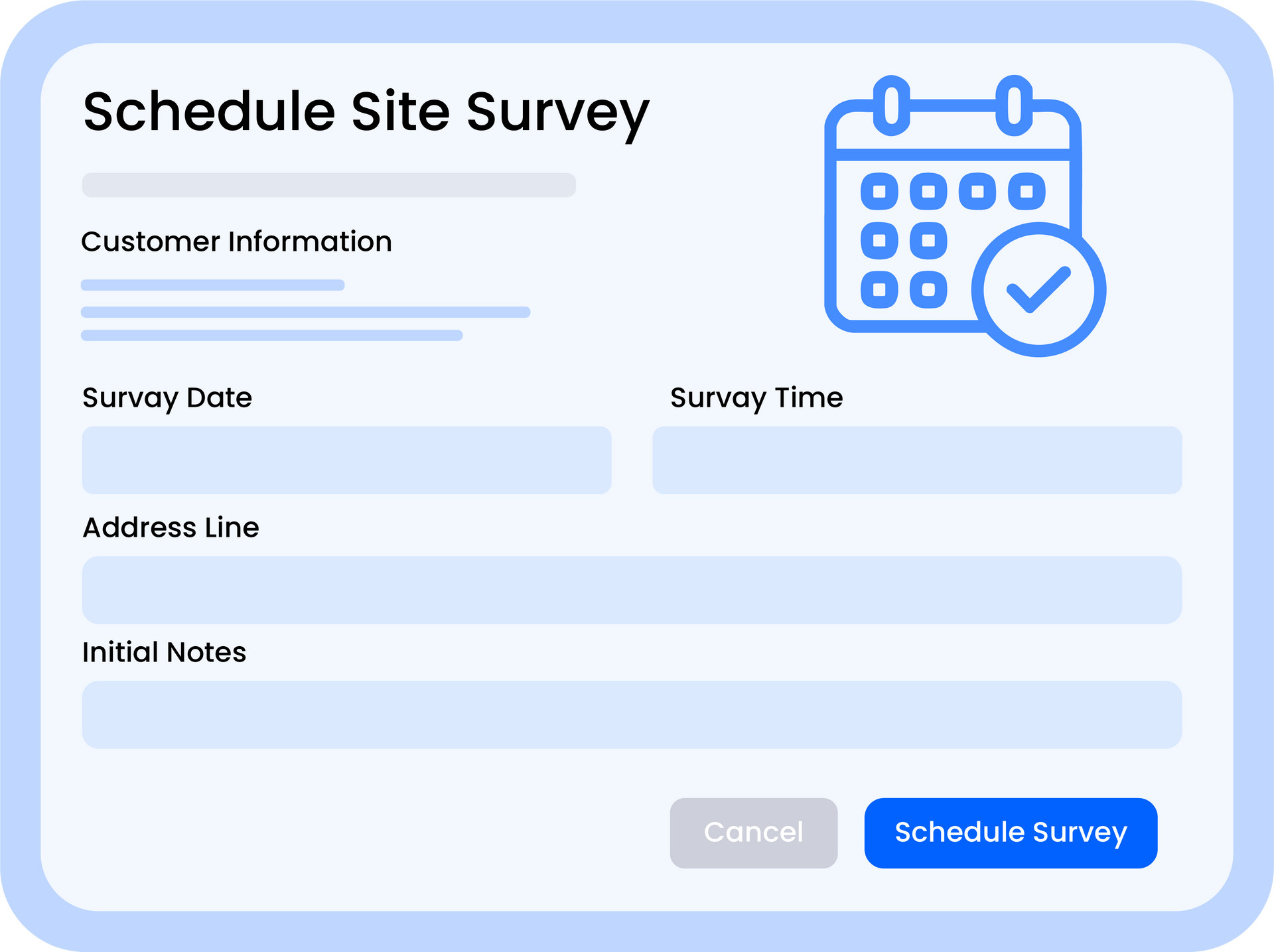
When surveys happen late, or key details aren’t captured early, installers are forced to make assumptions during quoting. Those assumptions often lean optimistic — particularly around access, pipe routes, or installation time.


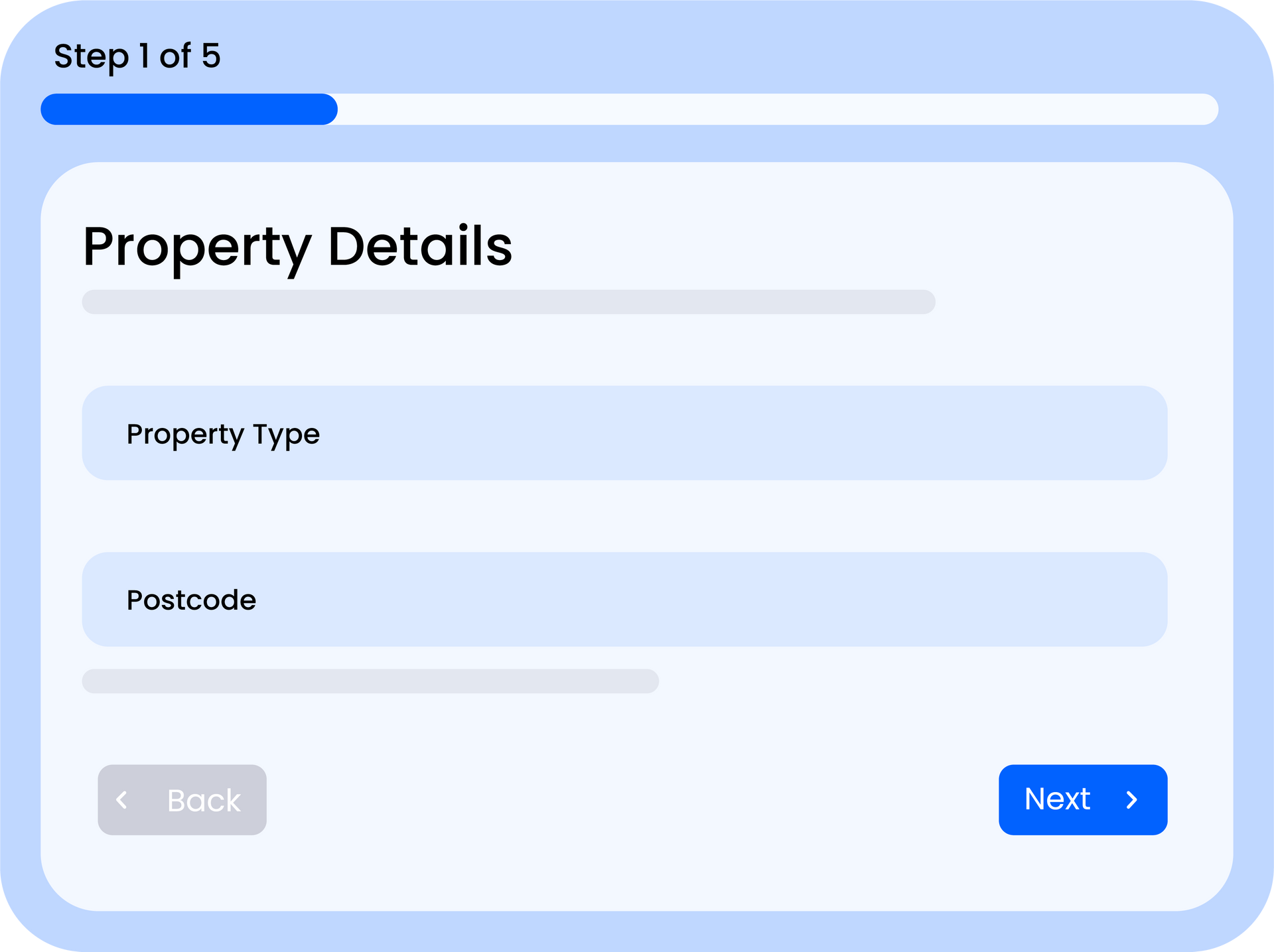
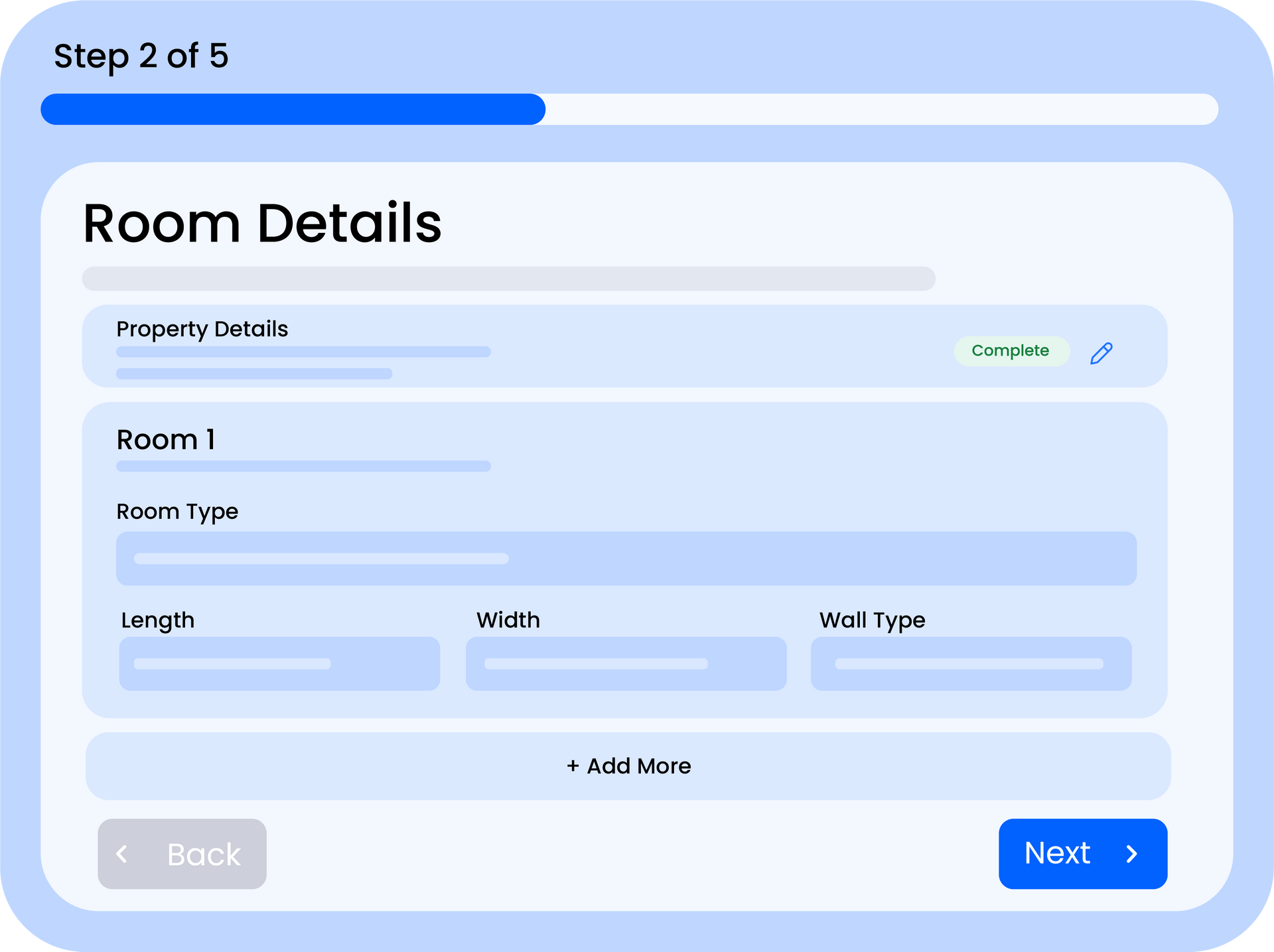
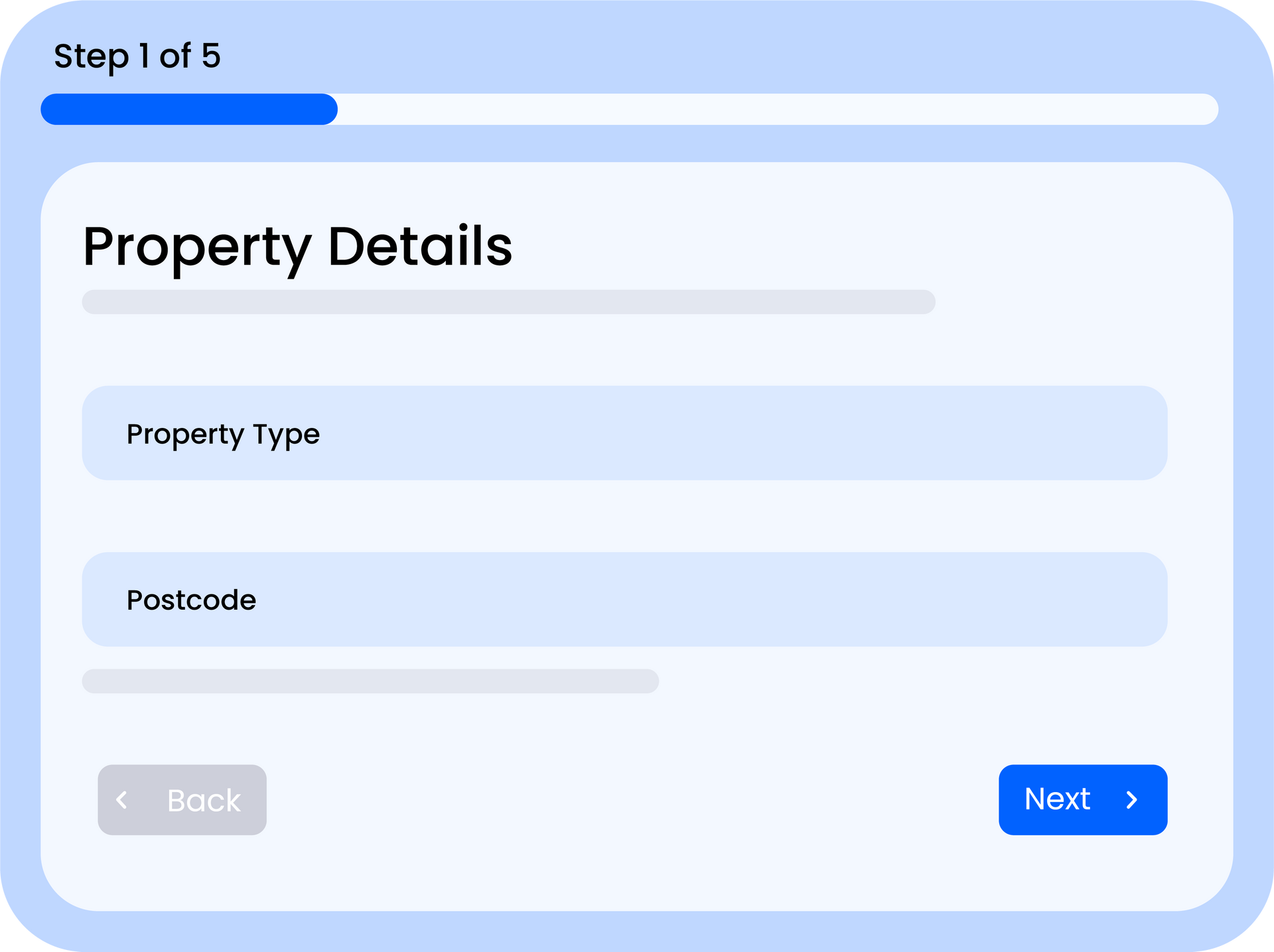
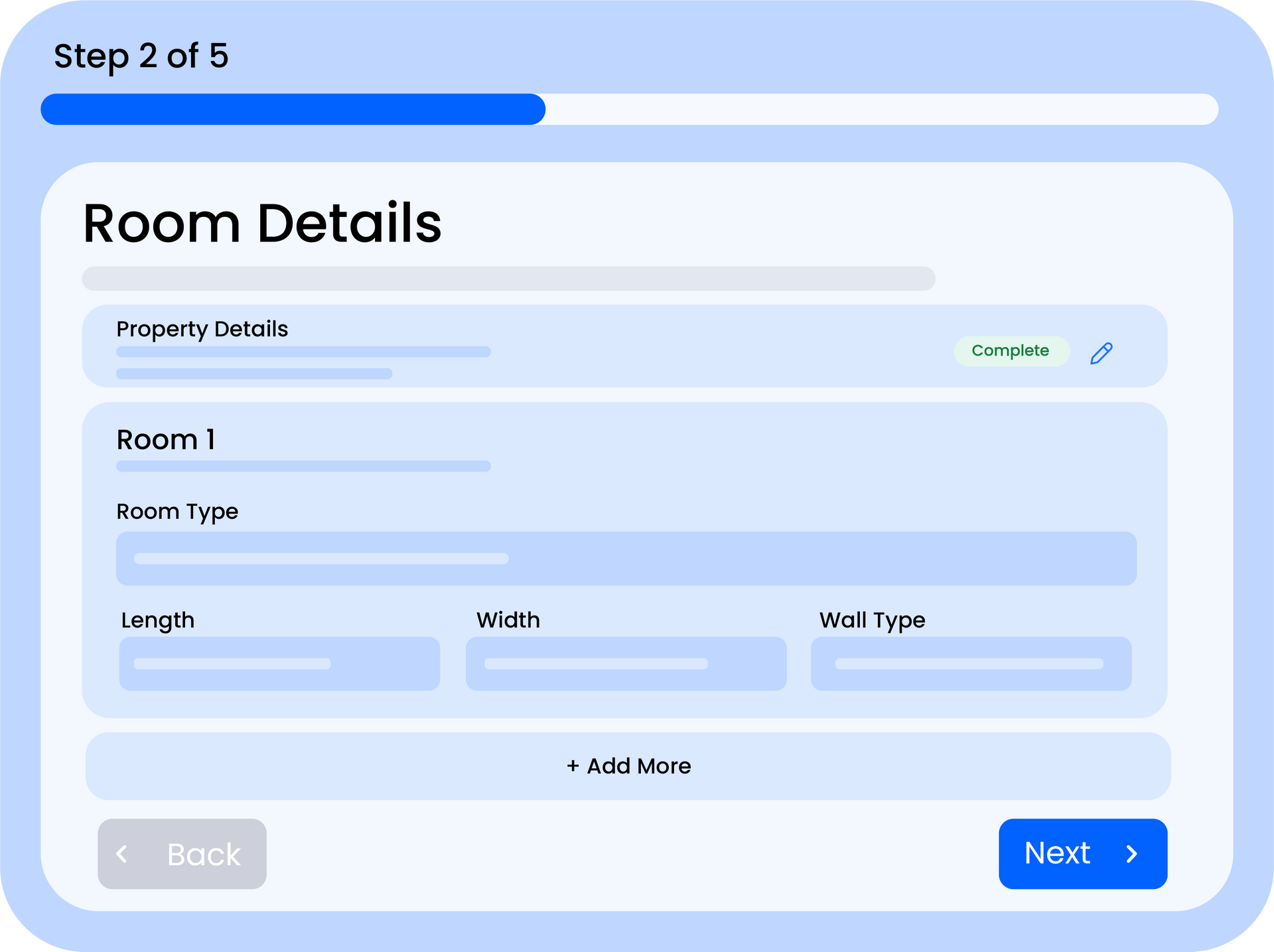
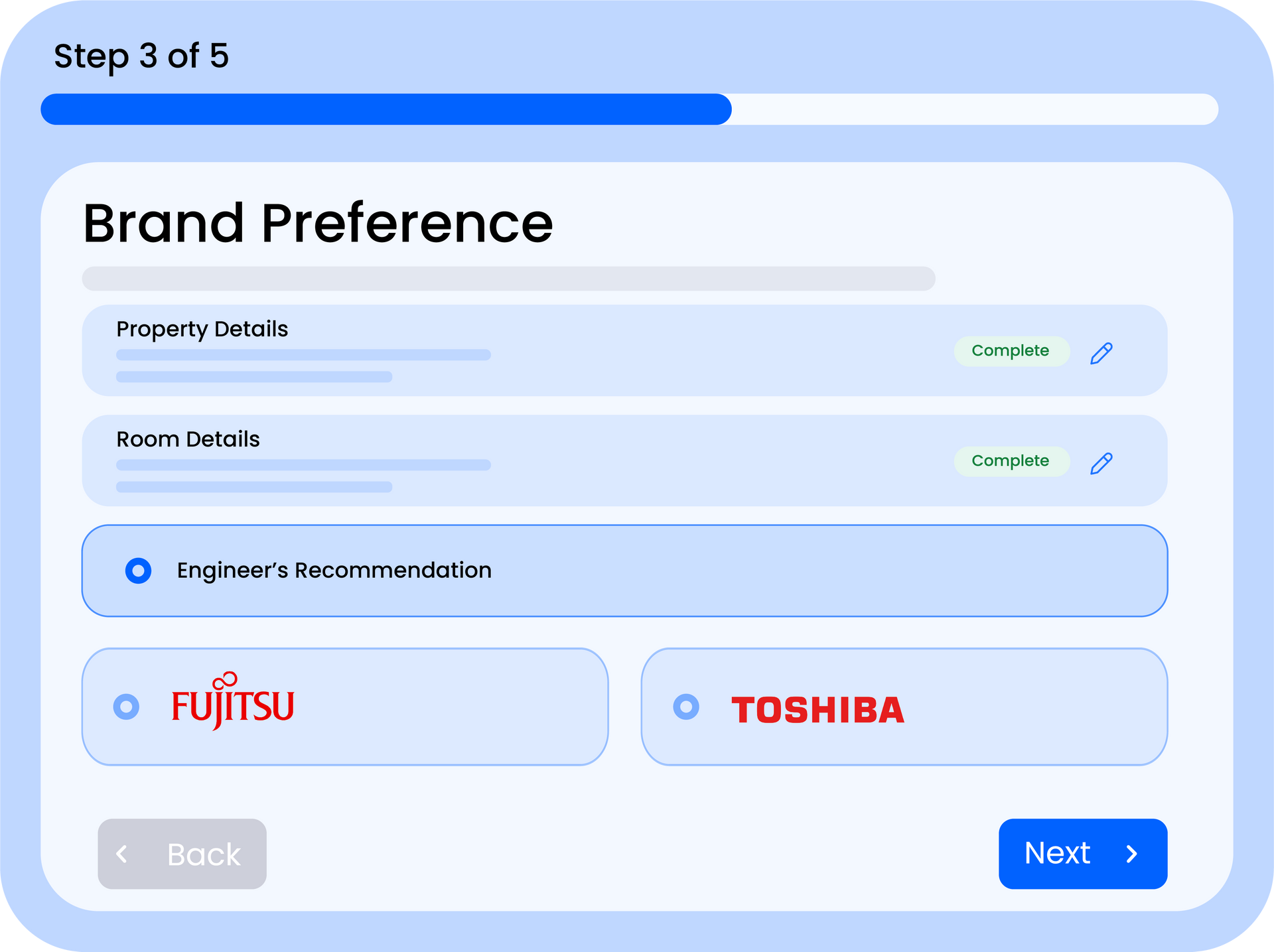
By capturing structured property and room data upfront, tools like Quotestack reduce reliance on guesswork, allowing margins to be protected through better-informed quotes from the outset.

Instant Quoting Software for Air Conditioning Businesses

Save time, send quotes faster, and grow your air conditioning business with confidence

Share this article

Admin inefficiency leaks profit quietly

Margin erosion isn’t always visible in material or labour costs.


It often shows up in time — reworking quotes, answering repeated questions, revising pricing, or dealing with misunderstandings. None of these costs appear on an invoice, but they directly affect profitability.


Automation helps here by reducing rework and friction. When quotes are clear, structured, and accurate the first time, fewer hours are lost managing avoidable issues.

Margin protection requires visibility, not guesswork

One of the hardest things about protecting margins is understanding where they’re being lost. When quoting is manual and inconsistent, patterns are difficult to spot. When pricing logic is structured and repeatable, issues become visible — and fixable.


The air conditioning businesses that perform best aren’t necessarily the busiest. They’re the ones that have built systems around their quoting process that support speed, consistency, and accuracy without increasing pressure on the team.


Quotestack exists to support exactly that — helping HVAC businesses protect margins by bringing structure, automation, and control to one of the most critical parts of the job.


Margins aren’t lost on site.
They’re lost long before the first tool is unpacked.

Recent Posts

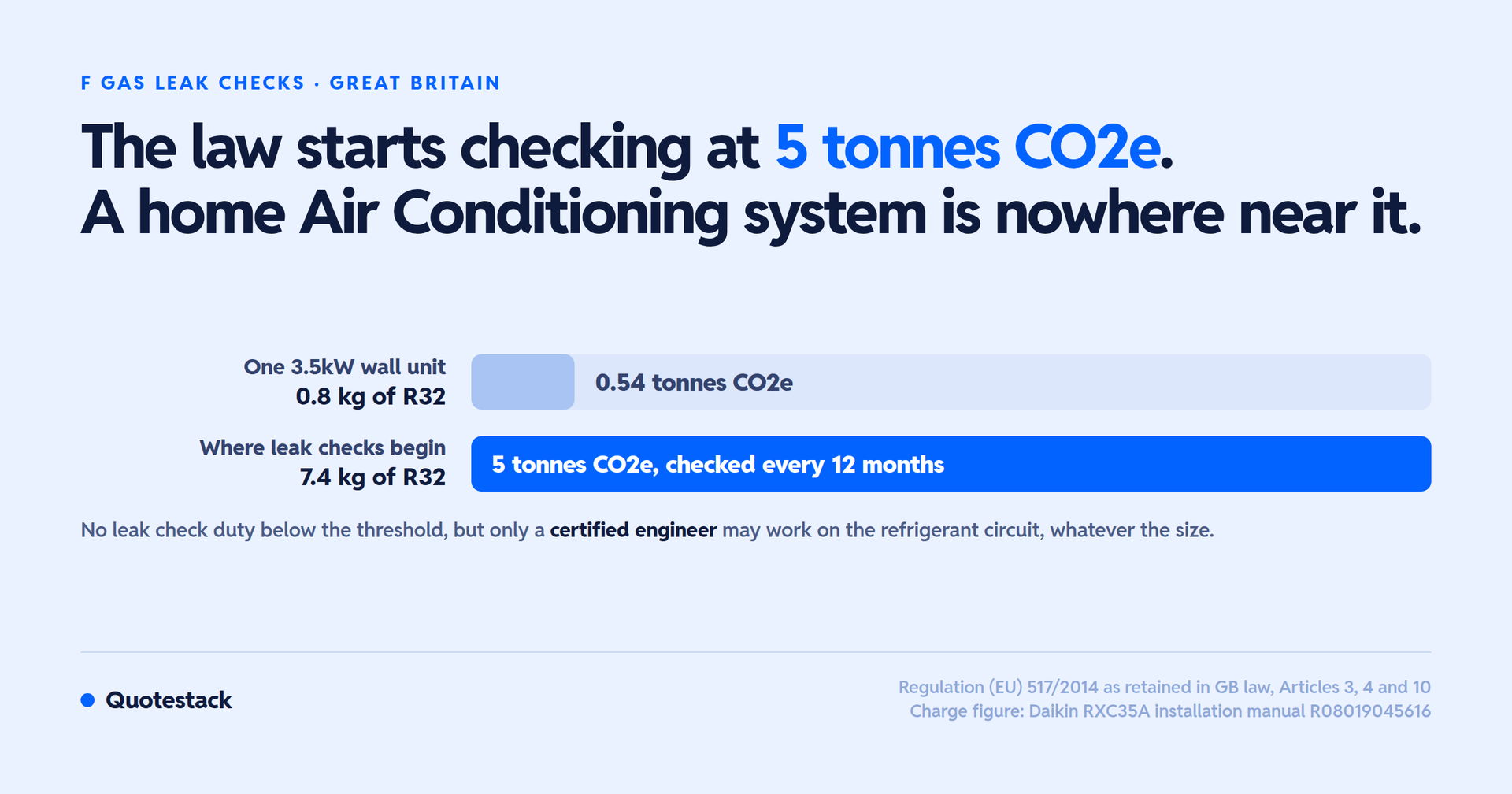
Two bars compared: one 3.5kW wall unit holds 0.54 tonnes CO2 equivalent of refrigerant, while leak c
By Francois Du Plessis • September 28, 2026
Most home Air Conditioning in Great Britain has no legal service requirement. The F Gas leak check duty starts at 5 tonnes CO2e, well above a home system.
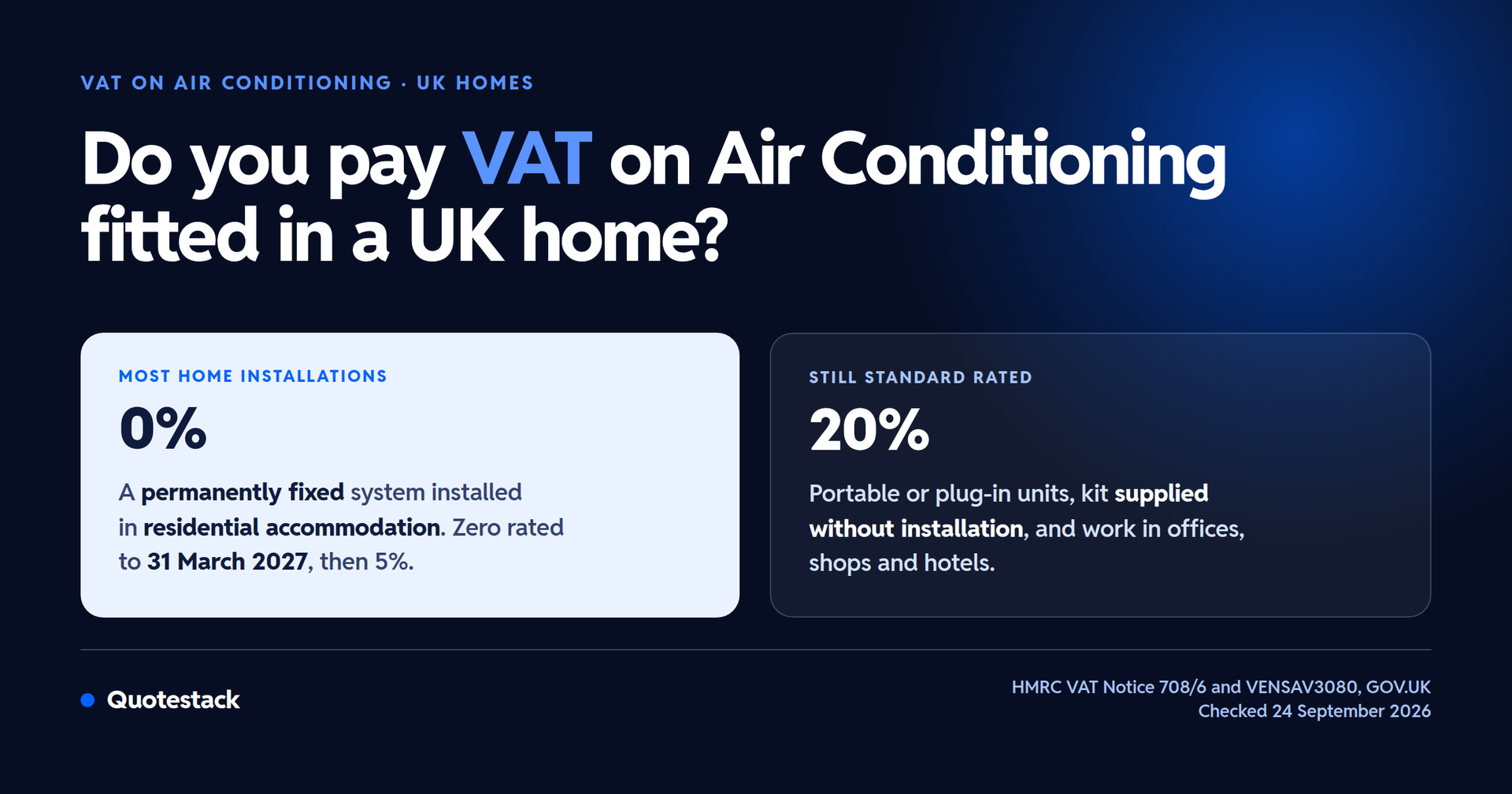
Two VAT outcomes compared for Air Conditioning in a UK home: a permanently fixed system in residenti
By Francois Du Plessis • September 25, 2026
Fixed Air Conditioning installed in a UK home is zero rated for VAT until 31 March 2027. Here is what qualifies, what still carries 20%, and what changes.
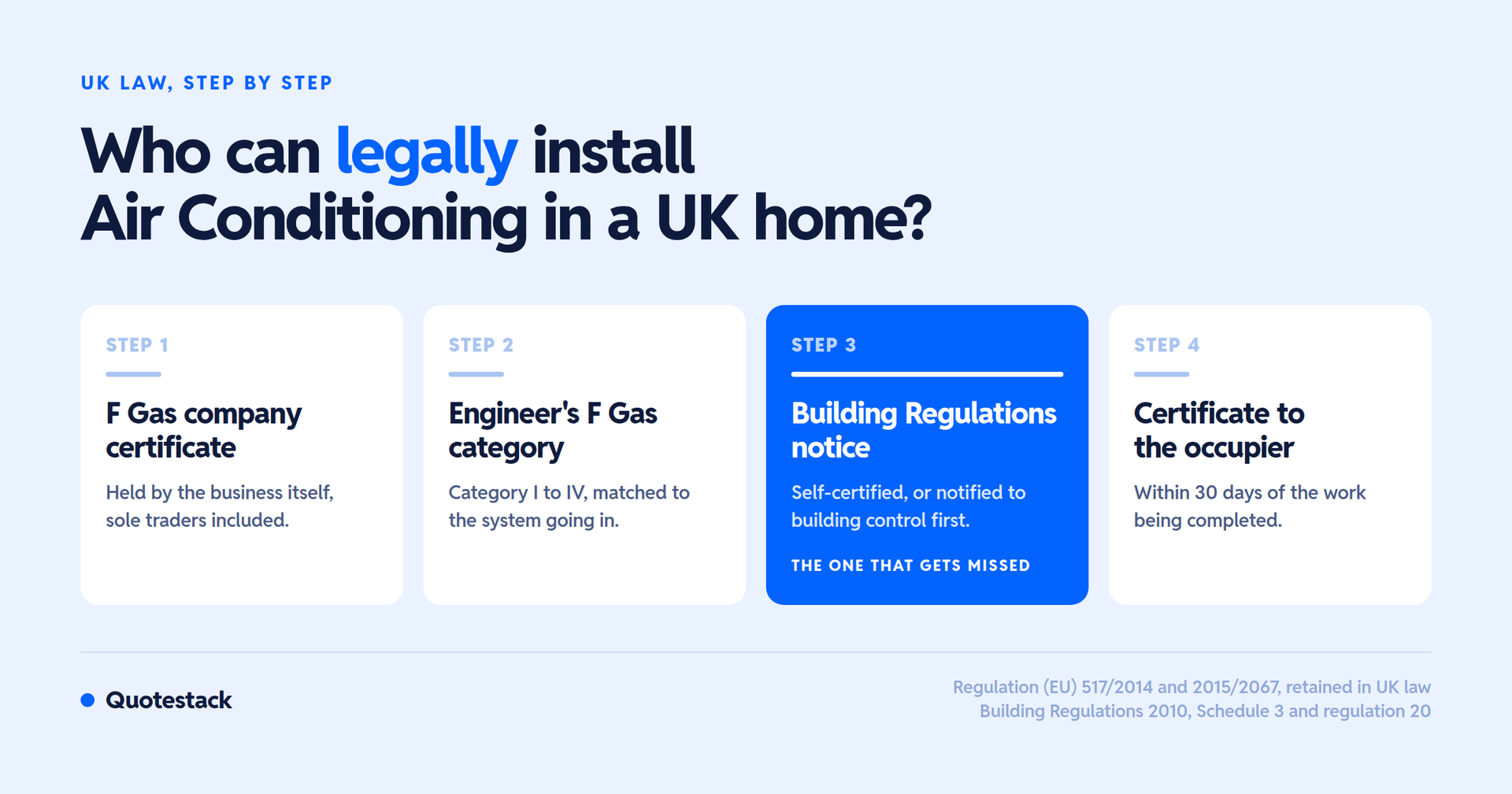
The four legal steps to install Air Conditioning in a UK home, from F Gas certificate to handover.
By Francois Du Plessis • September 21, 2026
The company needs an F Gas certificate, the engineer needs a category certificate, and in England and Wales the install is notified to building control.
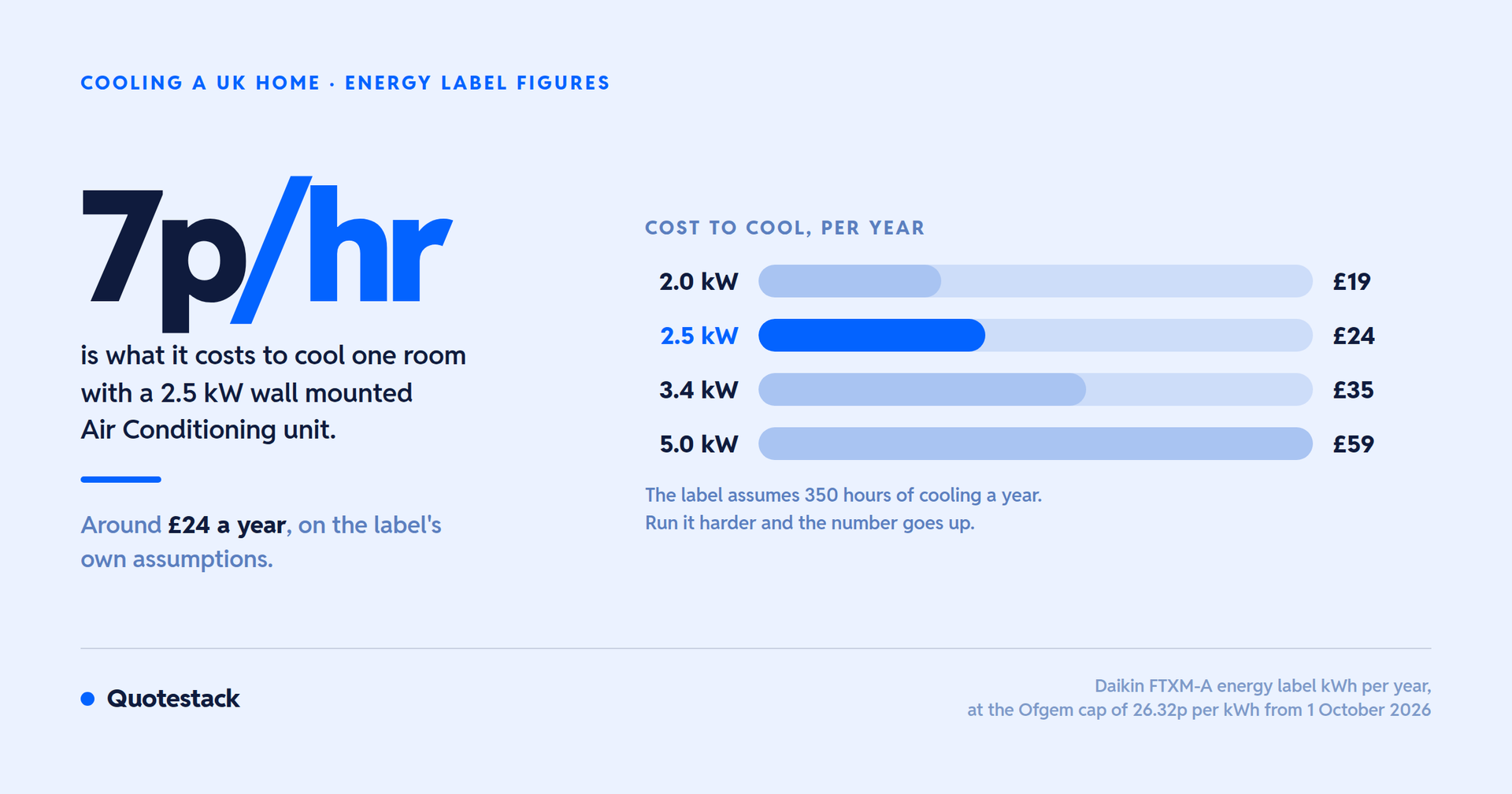
Cooling costs by Air Conditioning unit size: £19 a year for 2.0 kW up to £59 a year for 5.0 kW.
By Francois Du Plessis • September 21, 2026
A 2.5 kW wall unit costs around 7p an hour to cool, about £24 a year on its energy label. Here is where that figure comes from, and when yours is higher.
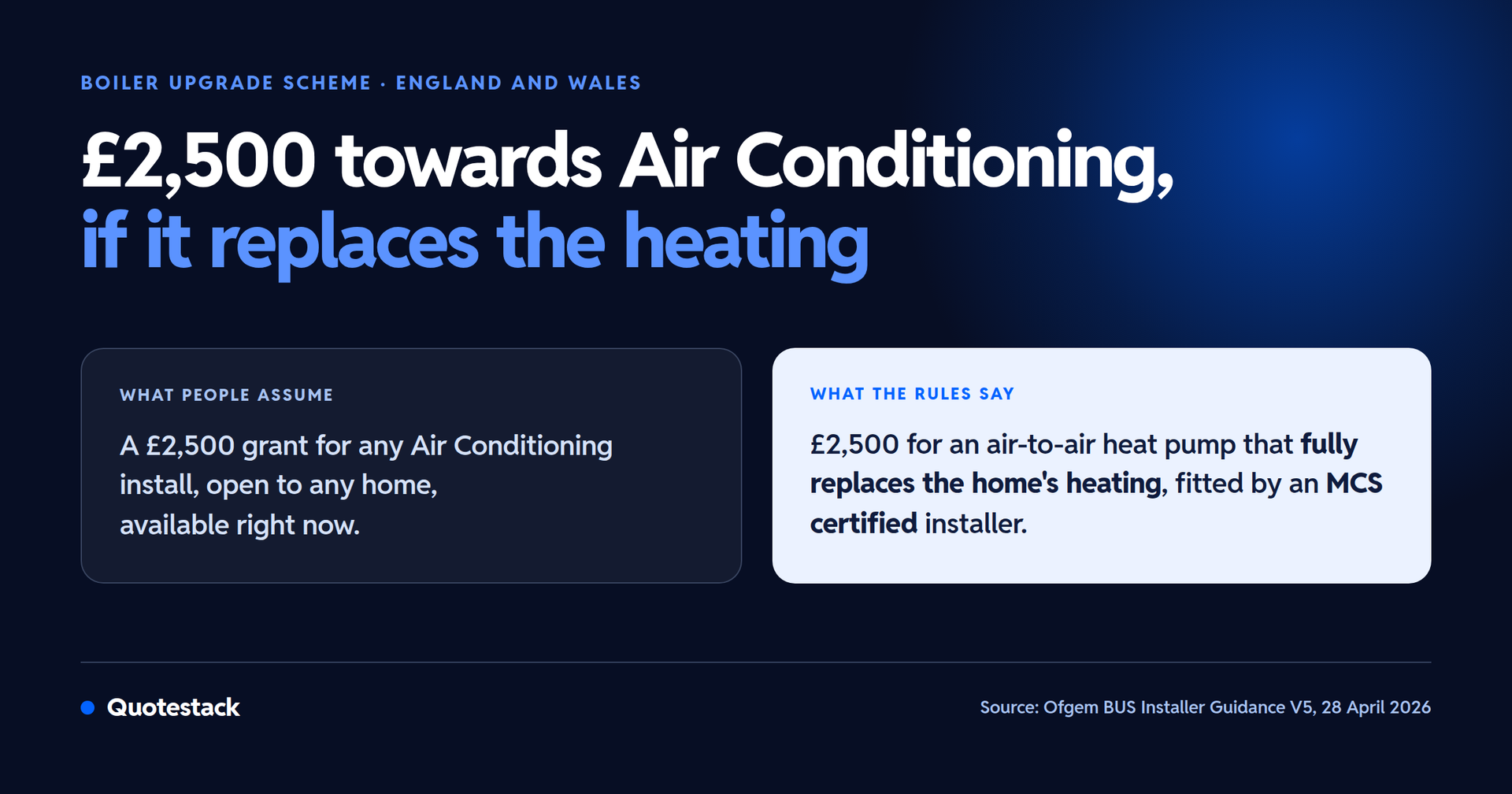
The £2,500 grant needs an air-to-air heat pump that replaces the heating, fitted MCS certified.
By Francois Du Plessis • September 14, 2026
Yes. The Boiler Upgrade Scheme pays £2,500 towards an air-to-air heat pump in England and Wales, but only if it fully replaces the home's existing heating.
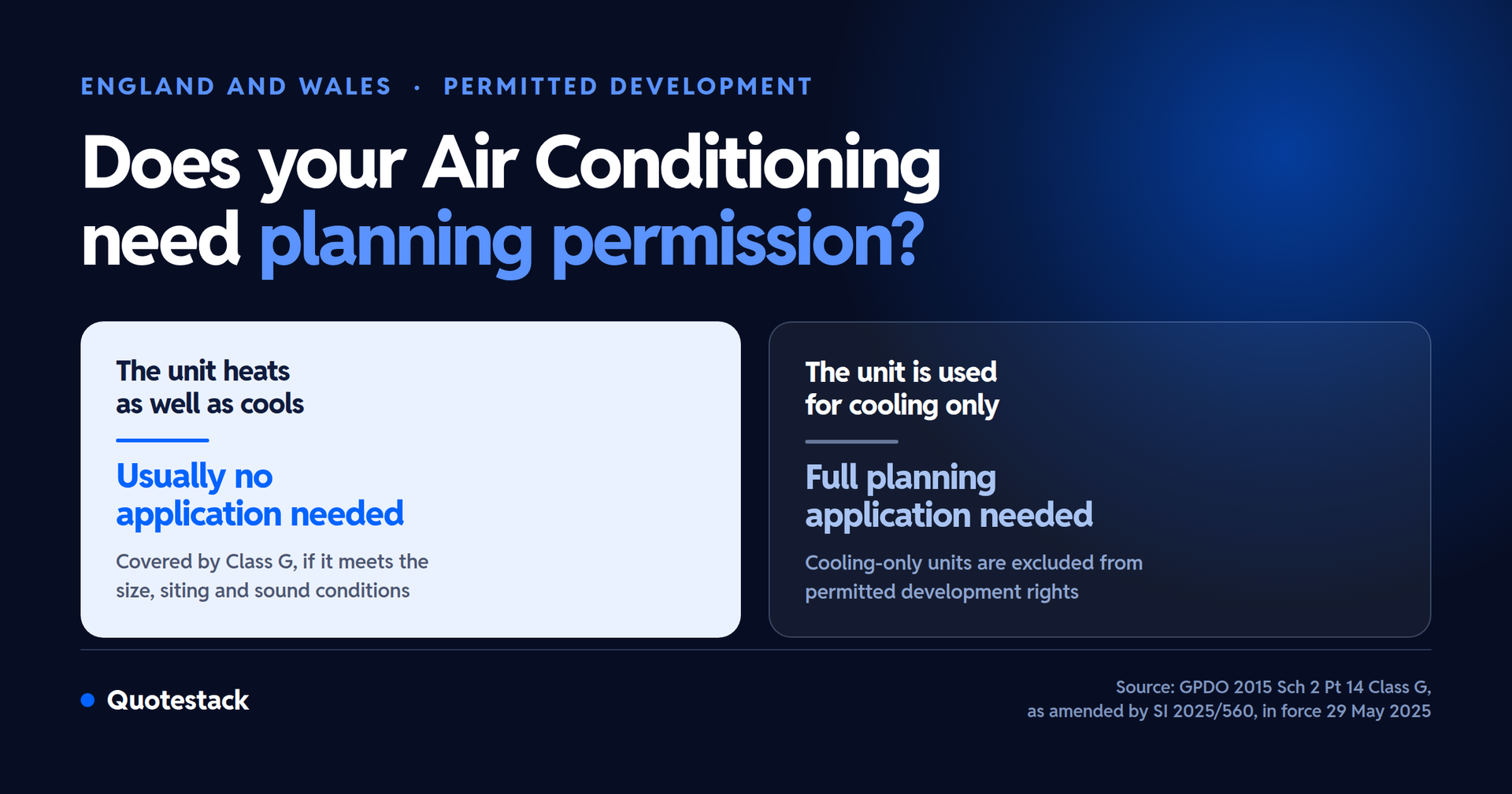
Air Conditioning that also heats usually needs no planning permission, cooling-only units do.
By Francois Du Plessis • September 11, 2026
In England and Wales, Air Conditioning that also heats can usually go in under permitted development. Cooling-only units still need a planning application.

May 29, 2026
Consistency and structure are what separate activity from long-term growth

May 25, 2026
Improving results doesn’t always require more demand

May 22, 2026
A growing sector is creating new opportunities across the workforce

May 15, 2026
Demand is building steadily, not just seasonally