



How Technology Is Changing the Way HVAC Companies Win Work
How HVAC companies win work has changed — even if the work itself hasn’t.
In 2026, customers are better informed, quicker to compare options, and more confident making decisions digitally. They expect clarity, speed, and professionalism long before an installer arrives on site. Technology now plays a central role in meeting those expectations.
For HVAC businesses, this shift isn’t about chasing shiny tools. It’s about understanding how technology quietly influences who gets chosen — and why.
Winning work starts earlier than it used to
The sales process no longer begins at the site survey.
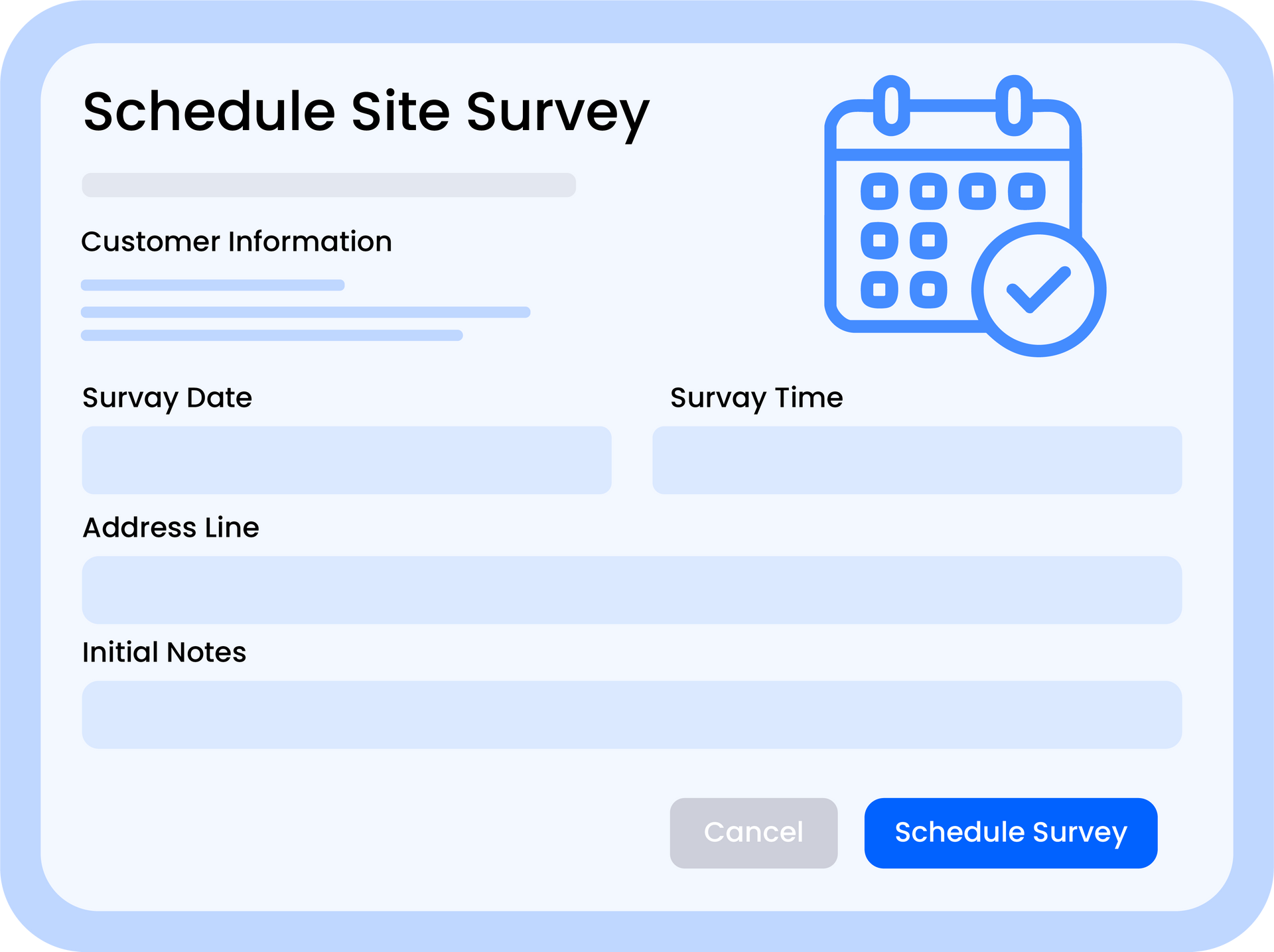
It starts when a customer submits an enquiry, fills in an online form, or requests a quote through a website. From that first interaction, expectations are already being set — often before any human contact takes place. This is where many HVAC businesses either build momentum or lose it. Customers who receive a fast, structured response feel reassured. Those who hear nothing for days often continue looking elsewhere.
Platforms like
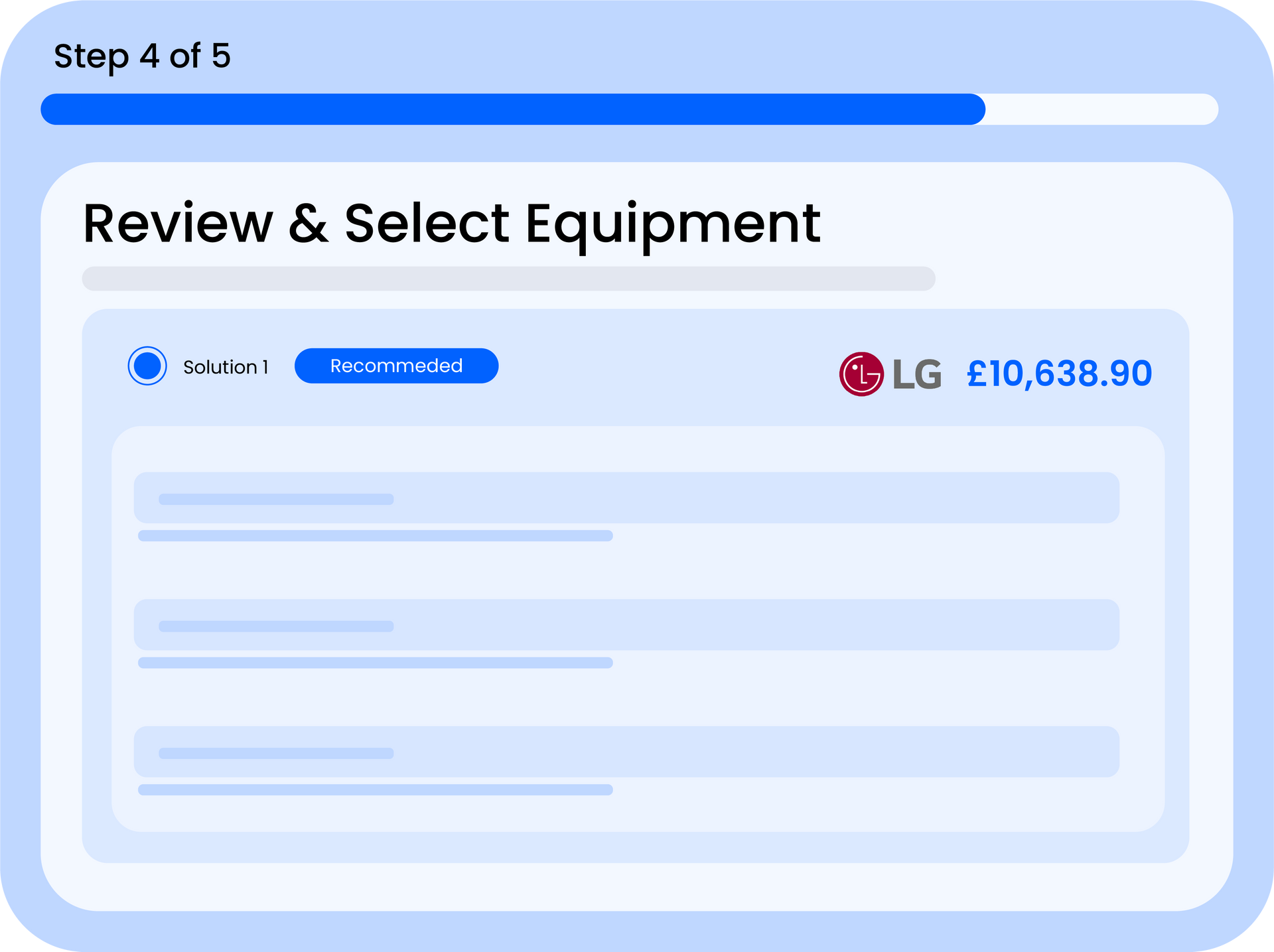
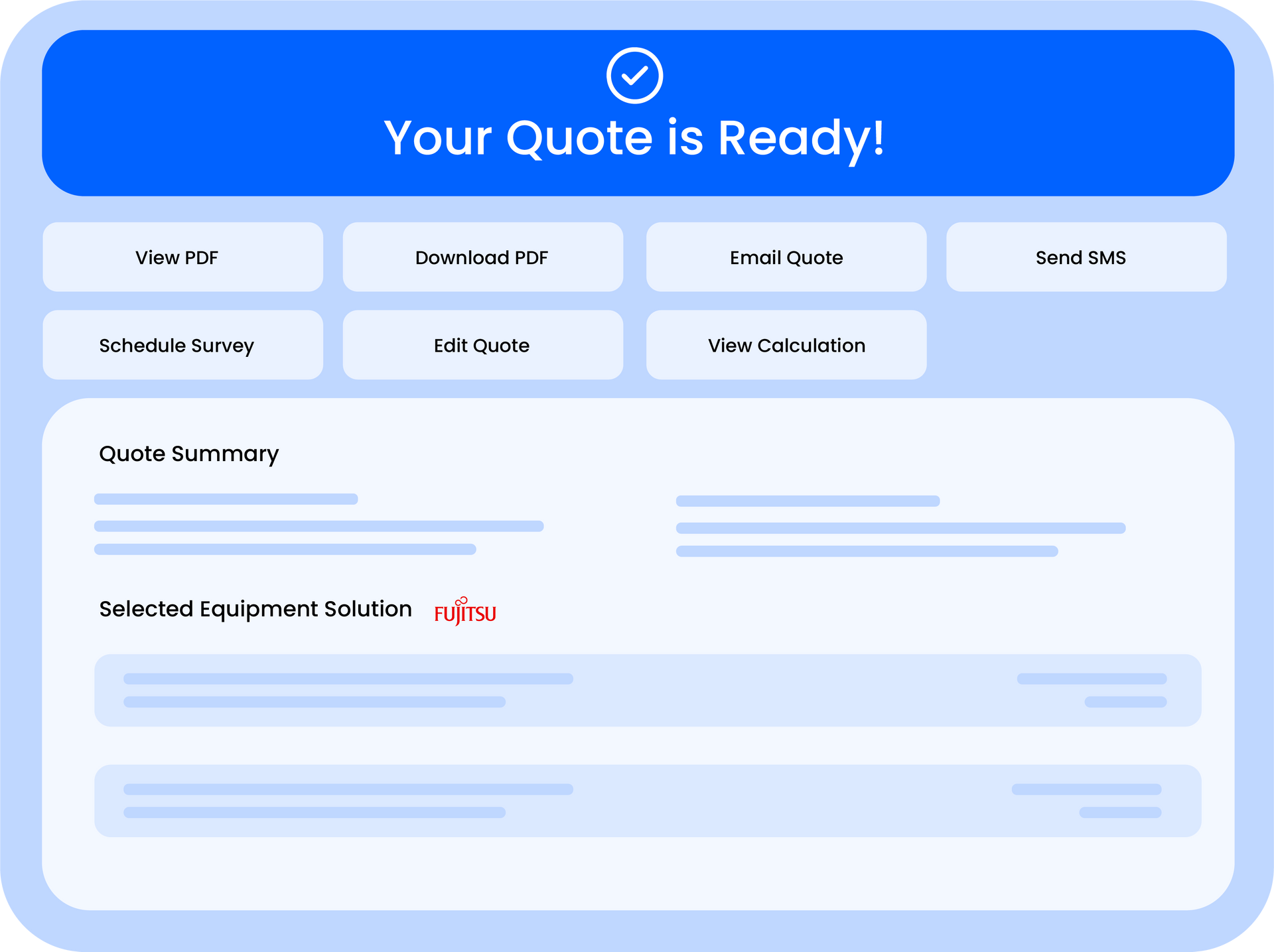
Quotestack reflect this shift by allowing customers to input key details upfront and receive an immediate, structured estimate — creating engagement before the first conversation even happens.
Speed and visibility now shape trust
Speed isn’t just about being quick — it’s about being visible.
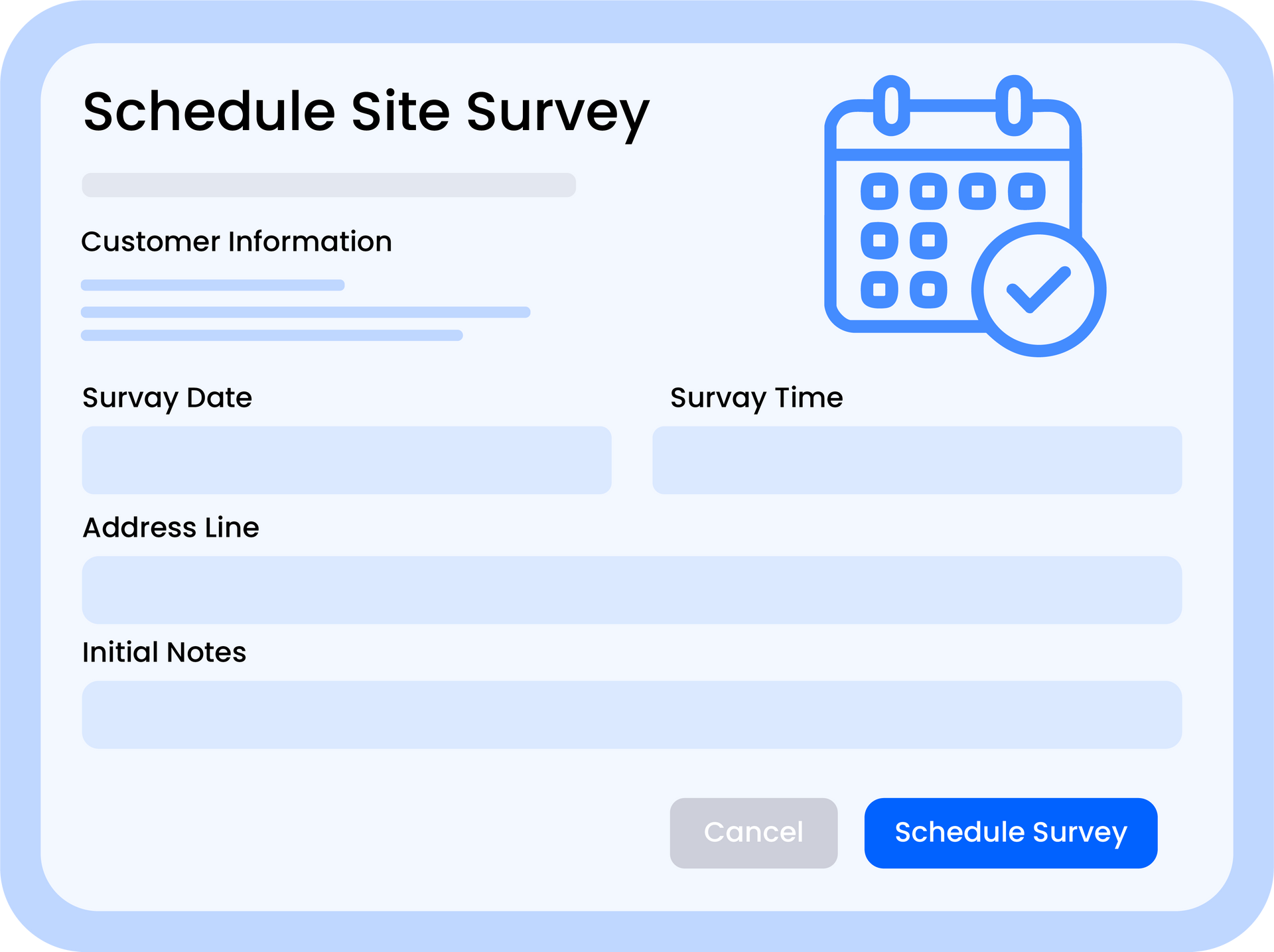
Customers want to know what’s happening next. Are they waiting for a survey? Has their information been reviewed? Is a quote coming today or next week? Technology helps HVAC businesses stay present throughout that early stage. Automated workflows, structured quoting tools, and instant estimates keep customers informed and engaged, rather than wondering if they’ve been forgotten.
When customers can see progress — even before a site visit — confidence builds naturally.
Better information leads to better quotes
One of the biggest advantages technology brings is the quality of information gathered early on.
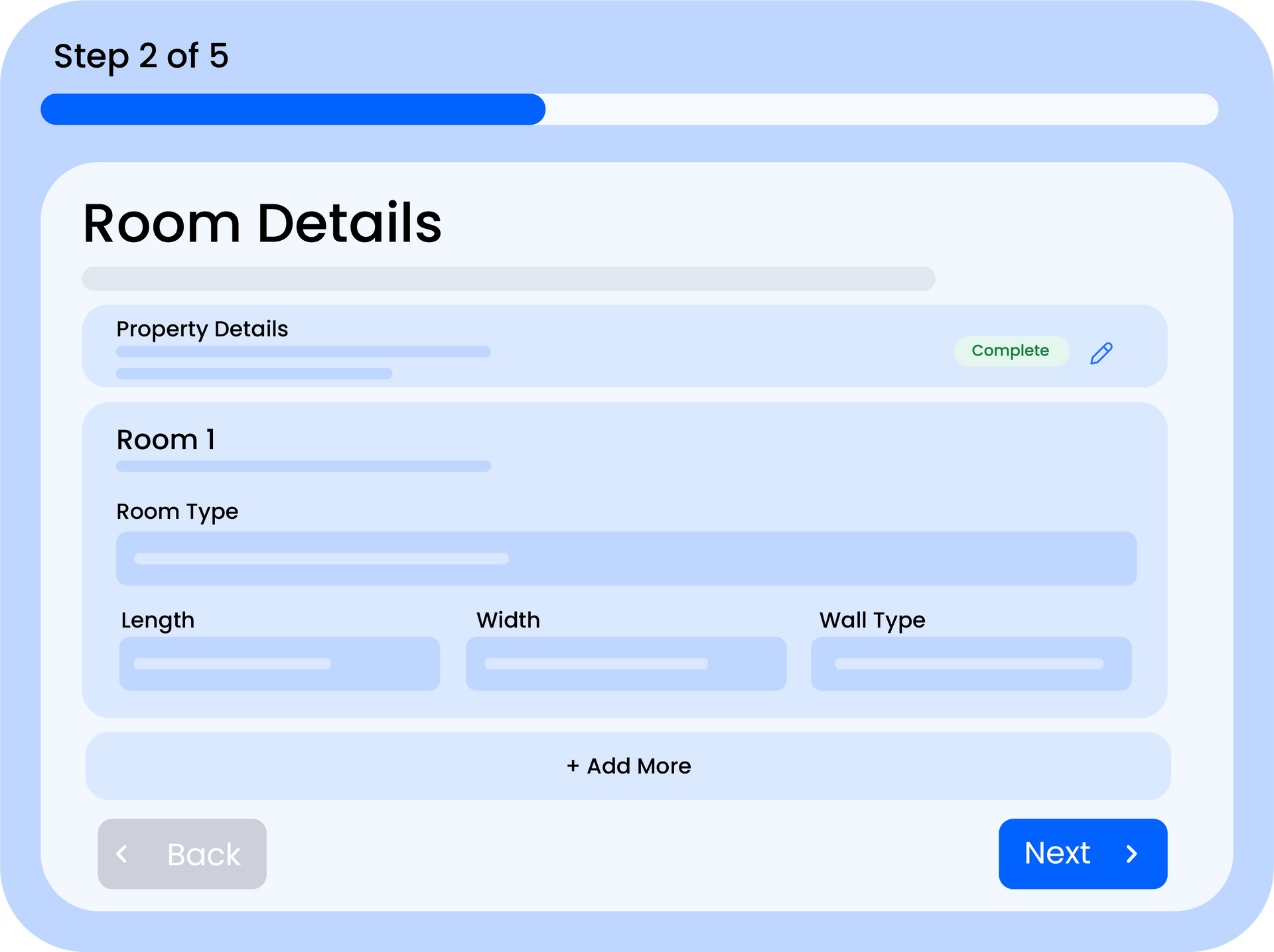
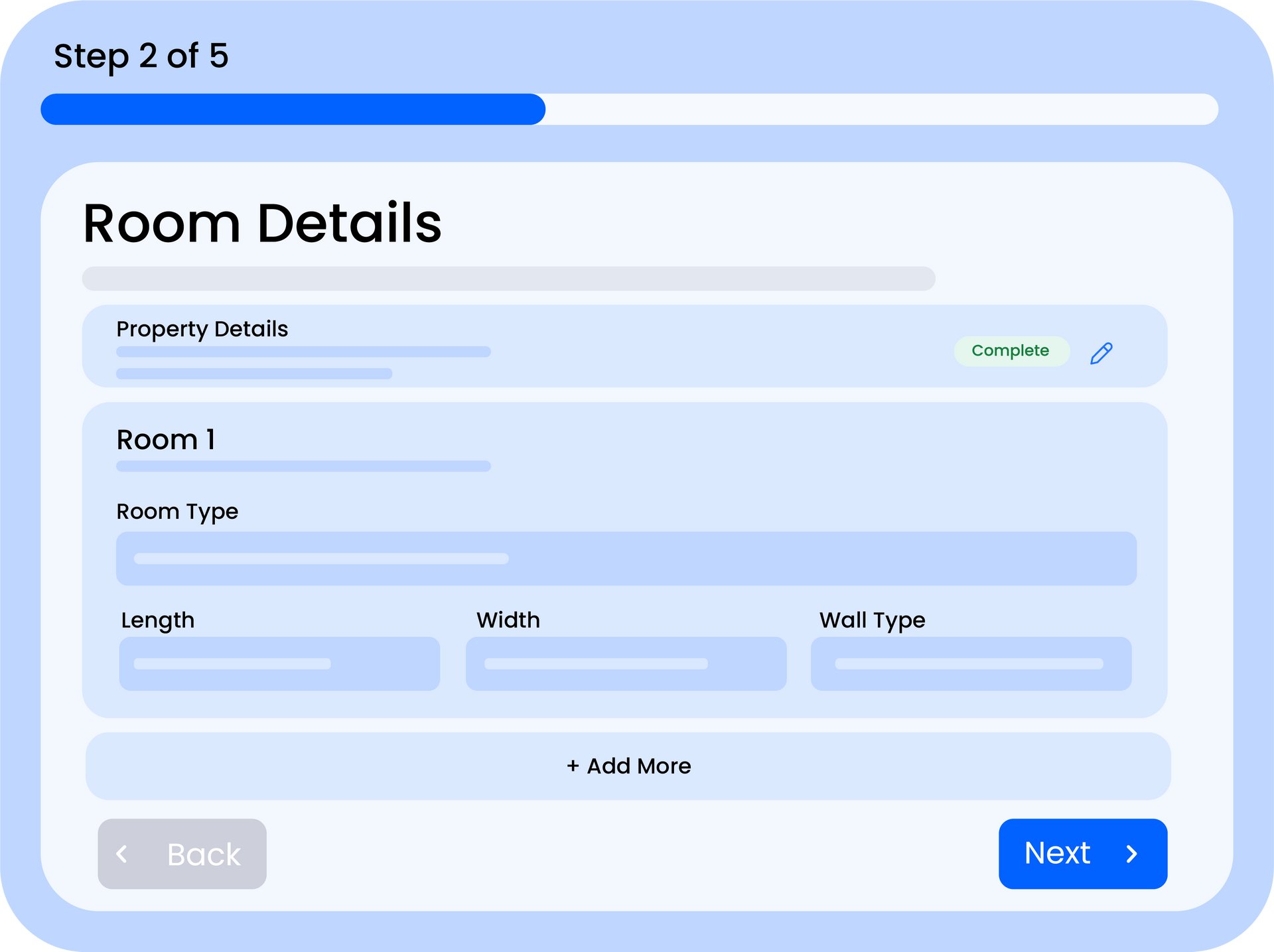
Instead of starting from scratch at survey stage, tools like Quotestack allow customers to provide room details, layout information, and usage requirements in advance. That data gives installers a clearer picture before they even step on site.
The result is more accurate quotes, fewer assumptions, and less back-and-forth later in the process. Technology doesn’t remove technical judgement — it strengthens it by starting from a better foundation.
Professionalism becomes repeatable, not accidental
As HVAC businesses grow, maintaining consistent quality becomes harder.
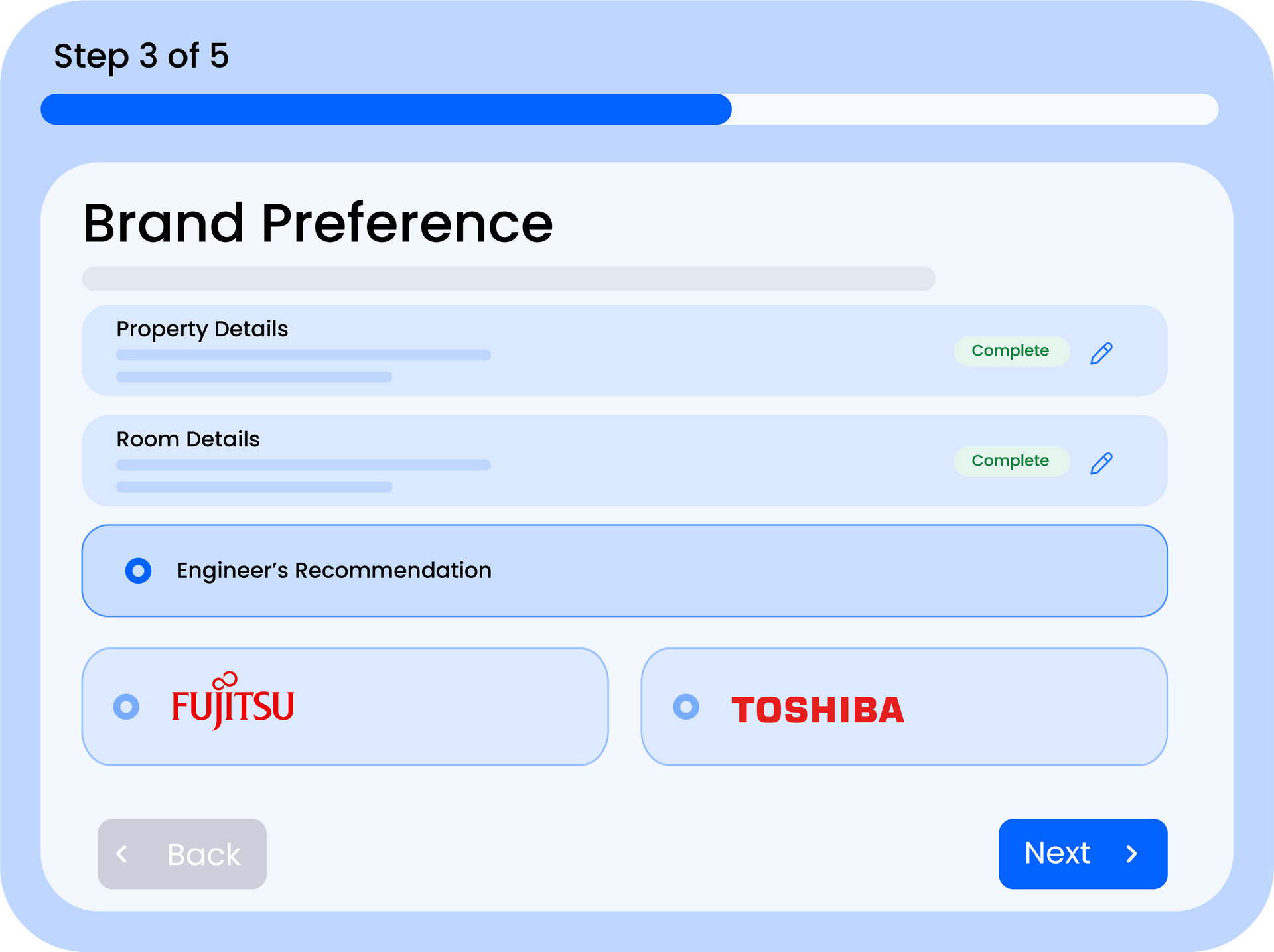
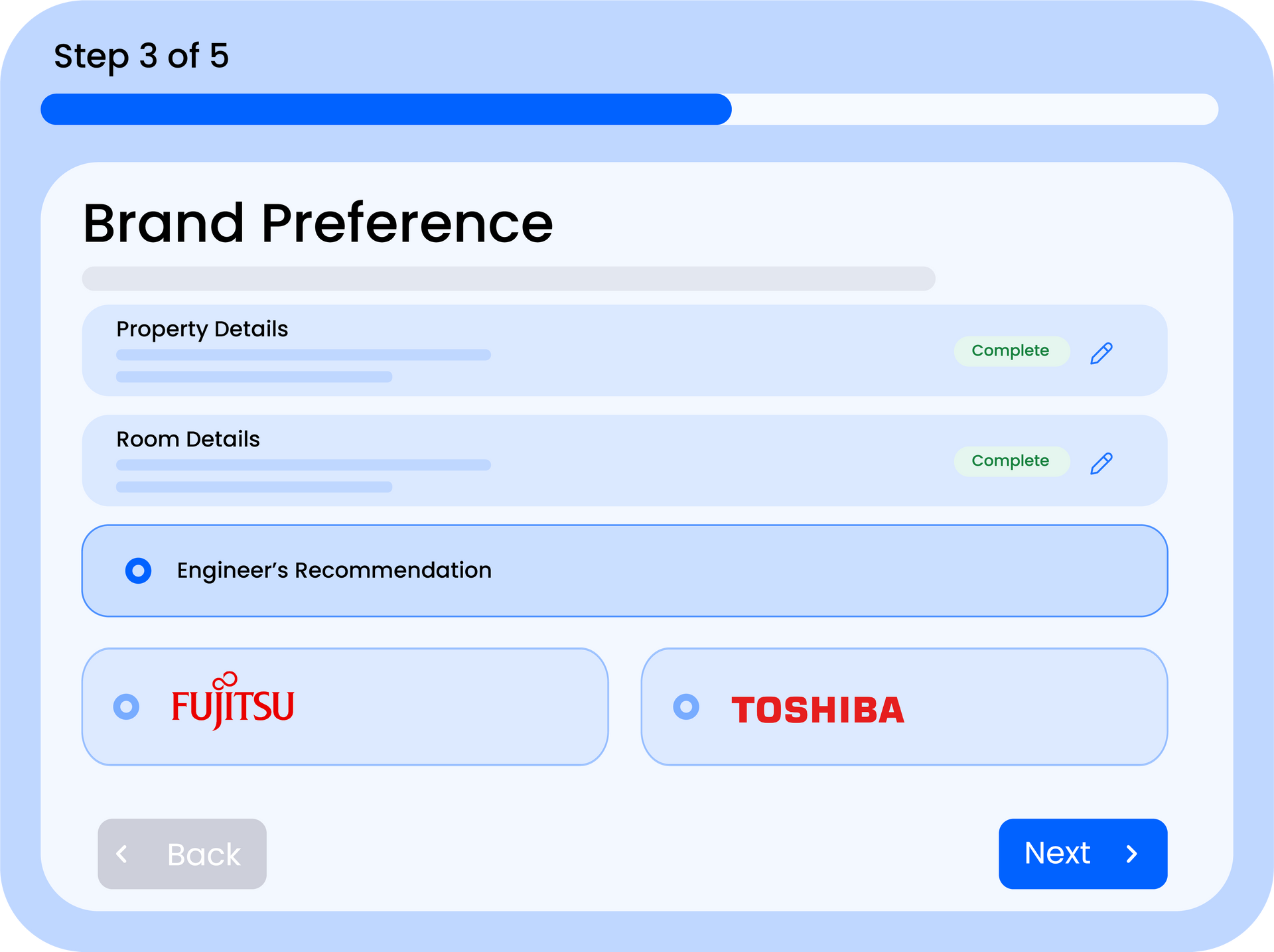
Technology helps by creating repeatable processes around quoting and presentation. When quotes follow a clear structure, reflect consistent pricing logic, and align with company branding, professionalism stops being dependent on who prepared the quote. Quotestack, for example, allows HVAC businesses to standardise how quotes are built while still customising costs, margins, preferred manufacturers, and design choices — combining structure with flexibility.
That consistency is increasingly important as enquiry volumes rise.
Instant Quoting Software for HVAC Businesses
Save time, send quotes faster, and grow your HVAC business with confidence

Technology supports expertise — it doesn’t replace it
A common concern among installers is that technology might oversimplify complex work.
In practice, the opposite is true. By removing repetitive admin and manual quoting tasks, technology gives engineers more time to focus on surveys, system design, and customer advice.
Tools like Quotestack don’t make decisions for installers — they support better decisions by reducing friction and improving visibility across the quoting process.
Final thoughts
Technology has become part of how HVAC companies compete — whether they actively choose it or not.
In 2026, winning work is about more than technical capability. It’s about responsiveness, clarity, and professionalism from the very first interaction. Technology enables those qualities to be delivered consistently and at scale.
Quotestack is one example of how HVAC businesses are adapting — using automation to quote faster, present more professionally, and stay aligned with modern customer expectations.
The companies that succeed won’t be the most “tech-heavy” - They’ll be the ones that use technology deliberately — to support people, protect margins, and win work with confidence